The Hidden Cost of Waiting: How to Know It’s Time for New Windows (And What You’ll Actually Pay)
Sep/04/2026 72The Hidden Cost of Waiting: How to Know It’s Time for New Windows (And What You’ll Actually Pay)
The Hidden Cost of Waiting
Your windows are one of the most critical structural and aesthetic components of your home, yet they are often overlooked until a glaring problem arises. You might notice a slight chill when walking past a window in the winter, or perhaps your cooling system seems to run constantly during the summer heat. While it is easy to dismiss these minor inconveniences, delaying home window replacement can cost you thousands of dollars in wasted energy, potential frame rot, and structural damage.
If you have been wondering **when to get new windows**, the answer usually comes down to performance, aesthetics, and efficiency. Windows do not last forever. Most modern installations have an average lifespan of 15 to 20 years. Beyond that milestone, materials degrade, seals fail, and insulation properties drop dramatically.
Upgrading your home with energy efficient windows is not just a cosmetic makeover; it is a direct investment in your property value, indoor comfort, and monthly utility savings. This comprehensive guide breaks down the clear warning signs that your current windows are failing, what you can expect regarding the cost to replace windows, and how to hire a window contractor to get the job done right.
Part 1: 6 Major Warning Signs You Need Window Replacement
Identifying when your windows need to be replaced requires looking beyond obvious damage like cracked glass. Subtle functional and visual issues often indicate that a window’s thermal barrier has collapsed.
1. Window Glass Condensation and Foggy Panes
One of the most frequent indicators of window failure is persistent moisture trapped between panes.
- Surface vs. Internal Moisture: Temporary condensation on the inside or outside surface of a window is normal and usually relates to indoor humidity levels. However, if moisture, fog, or water droplets appear between the glass layers, you are dealing with broken window seals.
- Loss of Insulating Gas: Modern double or triple-pane units use inert gases like argon or krypton sealed between the panes to block thermal transfer. Once a seal fails, this gas escapes, ambient air enters, and the window loses its insulating ability entirely.
2. Drafts, Cold Spots, and Temperature Fluctuation
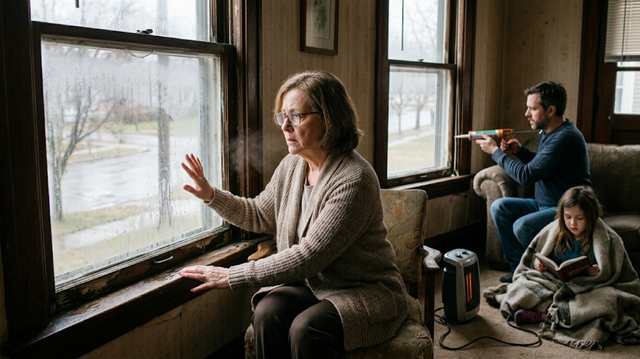
If you stand near a closed window and feel a noticeable draft or drastic temperature shift, the window is no longer doing its job.
- Failed Weatherstripping: Over time, rubber or felt seals dry out, shrink, or crack, letting outside air seep directly into your living space.
- Frame Warping: Wooden frames can swell or rot from moisture, while lower-quality vinyl frames can expand and warp under heat, creating air gaps around the sash.
3. Rising Monthly Energy Bills
If your living habits haven't changed but your heating and cooling bills continue to climb year over year, drafty windows are often the prime suspect. According to the U.S. Department of Energy, heat gain and heat loss through windows are responsible for 25% to 30% of residential heating and cooling energy use. Upgrading to high-efficiency models helps stabilize indoor temperatures and reduces strain on your HVAC system.
4. Sticking, Jamming, and Operational Difficulty
Windows should open, close, and lock smoothly. If operating a window feels like a workout, or if you have to prop it open with a stick, it poses a safety hazard—especially in emergencies.
- Structural Settling: As homes settle, window openings can shift slightly, causing frames to bind.
- Corroded Hardware: Rusted hinges, broken balances, or painted-over sashes compromise both usability and home security.
5. Visible Frame Damage, Decay, or Water Infiltration
Soft, decaying wood, flaking paint, or water stains around the window trim are serious red flags. Water penetrating the window frame can spread into your home's framing structure, creating ideal conditions for mold growth, dry rot, and costly structural repairs.
6. Excessive Outside Noise
If you hear ambient street traffic, barking dogs, or lawnmowers as clearly as if you were standing outside, your windows lack adequate sound insulation. Modern double and triple-pane windows offer sound attenuation properties that significantly reduce exterior noise, giving you a quieter indoor environment.
Part 2: Breaking Down the Cost to Replace Windows
Understanding the financial commitment helps you plan effectively and avoid surprises during the quoting process. The cost to replace windows varies based on materials, glass technology, size, and installation complexity.
Average Price Ranges
On average, replacing a single standard residential window ranges between $450 and $1,500, including materials and labor. Replacing all windows in a standard three-bedroom home (10 to 15 windows) generally ranges from $6,500 to $18,000+.
Key Factors Influencing Cost
+------------------+----------------------------------+------------------------------------+
| Frame Material   | Average Cost per Window (Fitted) | Key Characteristics                |
+------------------+----------------------------------+------------------------------------+
| Vinyl            | $400 - $900                      | Affordable, low maintenance, durable|
| Wood             | $800 - $1,800                    | High aesthetic value, requires care|
| Aluminum         | $500 - $1,200                    | Lightweight, strong, less insulated|
| Composite/Fiber  | $700 - $1,500                    | Highly durable, strong insulation  |
+------------------+----------------------------------+------------------------------------+
- Frame Materials: Vinyl remains the most popular cost-effective choice due to durability and minimal maintenance. Wood offers classic beauty but comes at a premium price and requires periodic painting or sealing. Composite and fiberglass sit in the mid-to-high tier, offering high durability and thermal stability.
- Glass Configuration:
- Single-Pane: Outdated and rarely installed today due to poor energy performance.
- Double-Pane: The modern standard featuring two glass layers with an insulating gas fill.
- Triple-Pane: Features three layers of glass and two gas chambers. It costs roughly 15% to 30% more than double-pane options but delivers superior thermal insulation and noise suppression.
- Low-E Coatings: Low-Emissivity (Low-E) glass features a microscopic metallic coating that reflects heat while allowing light through. This keeps indoor heat inside during winter and blocks solar heat gain during summer.
- Installation Type:
- Pocket / Insert Replacement: Used when existing window frames are structurally sound and square. The new window fits directly into the existing frame, lowering overall labor costs.
- Full-Frame Replacement: Required when existing frames are rotted, warped, or damaged. The entire frame, trim, and casing are removed down to the rough opening, requiring more labor and materials.
Part 3: Understanding Energy Efficient Windows and ROI
Investing in energy efficient windows delivers long-term returns through reduced energy bills, enhanced comfort, and improved property value.
Understanding Window Efficiency Ratings
When reviewing window options, check the National Fenestration Rating Council (NFRC) label for these critical metrics:
- U-Factor: Measures how well the window prevents heat from escaping. Lower numbers (typically 0.20 to 0.30) indicate better insulating performance.
- Solar Heat Gain Coefficient (SHGC): Measures how much heat from the sun passes through the window. In warmer climates, lower SHGC values reduce air conditioning costs. In colder climates, higher values allow beneficial solar warming.
- Visible Transmittance (VT): Measures how much natural daylight passes through the glass (rated between 0 and 1).
Return on Investment (ROI)
According to industry cost vs. value reports, homeowners typically recoup 65% to 75% of their window replacement costs in added property value upon resale. When combined with monthly energy savings and potential utility rebates, high-efficiency window upgrades quickly pay off over time.
Part 4: How to Hire a Window Contractor
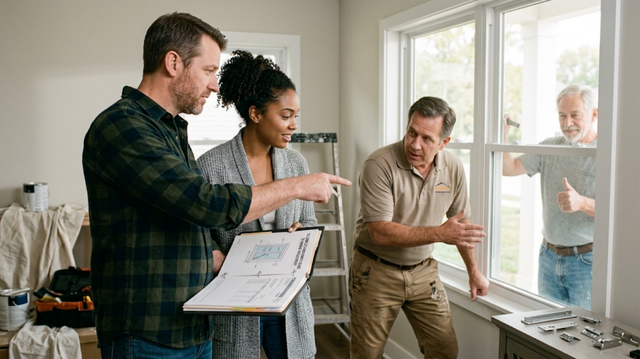
Selecting a qualified professional for your installation is just as critical as choosing the right window units. Even premium high-efficiency windows will fail prematurely if installed incorrectly.
Why Professional Window Installation Matters
While DIY projects can save money on simple home updates, window replacement demands exact precision. Improper sealing or alignment leads to:
- Air and water leaks around the frame
- Voided manufacturer warranties
- Operation issues, such as binding or improper locking
- Structural water damage within exterior walls
Step-by-Step Selection Guide
- Verify Credentials and Insurance: Always request proof of active general liability insurance and worker’s compensation coverage. Ensure the contractor holds all necessary local and state licenses.
- Review Certifications: Look for contractors certified by major window manufacturers or industry organizations like the InstallationMasters program.
- Compare Detailed Written Estimates: Obtain detailed quotes from at least three licensed contractors. Ensure each bid clearly itemizes:
- Brand, line, and specifications of the windows
- Type of installation (Insert vs. Full-Frame)
- Detailed breakdown of labor, materials, and disposal fees
- Expected project timeline
- Evaluate Warranties: Confirm warranty terms for both the product (glass seal, frame) and labor. Quality contractors back their installation work with a dedicated labor warranty, typically ranging from 2 to 10 years.
- Check Local References and Portfolio: Look at reviews on third-party platforms and request local references to inspect previous work quality.
Questions to Ask Potential Contractors
Before signing a agreement, ask these targeted questions:
- "Will your own employed team perform the installation, or do you hire subcontractors?"
- "What steps do you take to protect my home's interior and floor surfaces during the project?"
- "How do you handle unexpected frame rot or structural repairs found during installation?"
- "Are permits included in your bid, and will you handle the inspection process?"
Take Action: Protect Your Home's Value and Comfort
Ignoring drafty frames, internal glass condensation, or broken seals leads to higher energy costs and potential moisture damage over time. Upgrading your home with modern, energy-efficient windows delivers immediate improvements in daily comfort, lower utility expenses, and long-term property protection.
If you are ready to eliminate drafts and improve your home's efficiency, the next step is getting an accurate estimate tailored to your property. Contact a qualified local contractor today to evaluate your windows, discuss your design goals, and review custom options for your budget.
Talk to a vetted contractor in your area today here or dial +1 (888) 646-7358