Why Are More Homeowners Switching to Solar in 2026?
Mar/28/2026 838Why Are More Homeowners Switching to Solar in 2026?
The year 2026 has marked a major turning point for home energy in the United States. If you’ve noticed more sleek, high-efficiency panels appearing on your neighbors' roofs, you aren't alone. According to recent industry forecasts from the U.S. Energy Information Administration (EIA), solar is expected to provide roughly 7% of the entire country's energy this year alone.
Homeowners are no longer just looking at solar as a "green" choice; they are viewing it as a critical financial strategy to combat rising utility rates and aging power grids.
This guide explores the data-backed reasons why the "solar switch" is accelerating in 2026.
Benefits of Solar Panels (2026)
In 2026, solar technology has reached new heights in efficiency. Modern perovskite and multi-junction solar cells can now convert significantly more sunlight into electricity than the panels of a decade ago.
The primary benefit is price predictability. While traditional electricity prices remain volatile, a solar system allows you to generate your own power at a fixed cost.
As noted by the International Energy Agency (IEA), solar is now the cheapest source of electricity in history for many parts of the world, making it a low-risk, high-reward home upgrade.
Solar Panel Savings & Lower Electricity Bills
The financial math for solar has never been more compelling. Data from the recent 2026 residential studies suggests that the median annual utility bill savings for solar adopters is approximately $1,987 per year.
- Net Billing & Metering: Most states offer programs where you can "sell" excess energy back to the grid. For instance, in states like Florida and Illinois, homeowners are often compensated at the full retail rate for the power they export.
- Payback Period: Thanks to lower equipment costs, the average "payback period," the time it takes for the system to pay for itself through savings, is now between 6 and 10 years in most U.S. regions. In high-sun states like Hawaii, this can be as low as 2.4 years.
Greater Energy Independence
One of the biggest drivers in 2026 is the desire for energy autonomy. With extreme weather events becoming more frequent, homeowners are prioritizing resilience.
By pairing solar panels with a home battery backup, you can stay powered during grid outages. Modern "Virtual Power Plant" (VPP) programs even allow you to earn extra money (up to $350 per year in some areas) by letting the grid tap into your battery during peak demand times.
Environmental Benefits
Switching to solar is the single most effective way for a household to reduce its carbon footprint.
- Emission Reductions: An average 8kW residential system in the U.S. cuts about 3 to 4 tons of CO2 per year—the equivalent of planting about 150 trees every single year.
- Carbon Debt: While making panels requires energy, most systems "pay back" their manufacturing carbon footprint within 1 to 4 years, leaving 20+ years of entirely carbon-free energy generation.
Solar Panel Maintenance
A major reason for increased adoption is that solar is low-maintenance. Because there are no moving parts, the system essentially takes care of itself.
| Task | Frequency | Estimated Cost |
|---|---|---|
| Visual Inspection | Every 6 months | $0 (DIY) |
| Cleaning | 1–2 times per year | $0 (Rain) – $200 (Pro) |
| Professional Service | Every 3–5 years | $150 – $300 |
Pro Tip: For those in dusty or high-pollen areas, the National Renewable Energy Laboratory (NREL) suggests that regular cleaning can improve energy production by up to 12%.
Improve Your Home's Value
Solar panels are a proven asset in the real estate market. A 2026 study of over 5,000 home sales found that homes with owned solar panels sold for 5% to 10% more than comparable non-solar homes.
According to research from Zillow, more than 80% of homebuyers now flag energy-efficient features as a top priority. In some markets, this translates to an average price premium of over $9,000 to $20,000 upon resale.
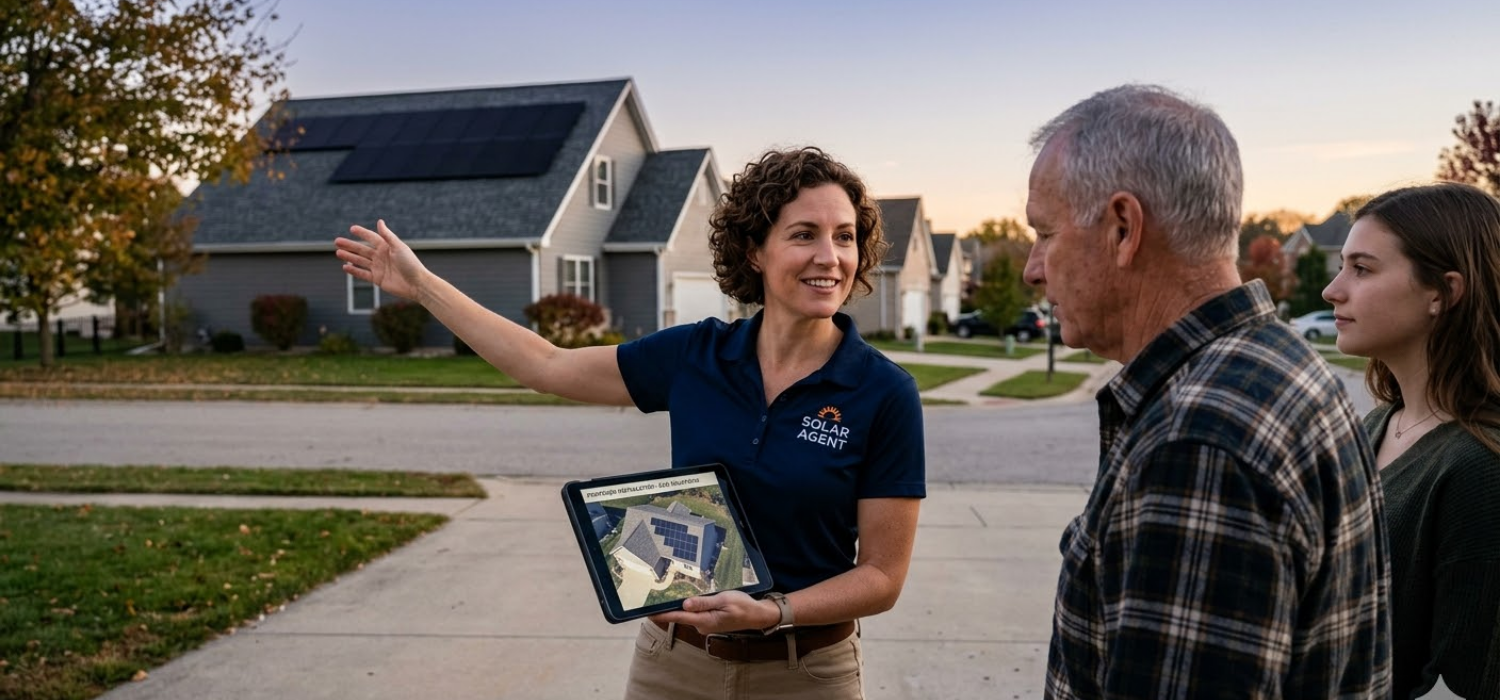
Find the Best Local Solar Pro
Ready to stop paying the utility company and start owning your power? Finding a qualified installer is the first step toward energy independence.