Is It Time to Replace Your Windows? 7 Warning Signs and What It Costs
Jul/23/2026 55Is It Time to Replace Your Windows? 7 Warning Signs and What It Costs
Windows are an essential part of your home. They let in beautiful natural light, keep your house secure, and protect you from harsh weather. However, many homeowners do not think about their windows until something goes wrong.
Old or failing windows do more than just look bad. They can drain your wallet by wasting energy, cause water damage inside your walls, and lower your home's value.
If you have noticed a draft, struggle to open a window, or see higher energy bills, you are likely ready to make a change. This comprehensive guide will help you understand the major warning signs of failing windows, what a window replacement project costs, and how to take the next step by speaking with a professional window contractor.
Why High-Quality Windows Matter for Your Home
Before looking at the warning signs, it is important to understand why your windows are so vital. Windows are not just glass panes; they are structural barriers that manage your home's temperature.
According to data from the U.S. Department of Energy, heat loss and heat gain through windows are responsible for 25% to 30% of your home's heating and cooling energy use. If your windows are old or damaged, your heating and cooling systems must work much harder. This wears out your HVAC unit faster and drives up your monthly bills.
Investing in new windows stops these expensive energy leaks. Modern windows are built with advanced technology that keeps your home comfortable throughout the year, making your property more attractive to future buyers.
Part 1: 7 Warning Signs You Need to Replace Your Windows
Knowing when to replace your windows requires paying close attention to how they look and perform. If you notice two or more of the following warning signs, your windows have likely reached the end of their useful lifespan, and it is time to call a contractor.
1. Unexpectedly High Energy Bills
One of the most common signs of failing windows shows up on your monthly utility bills. If you notice your energy costs rising even though your habits have not changed, your windows are likely the cause.
Old single-pane windows or double-pane windows with failed seals offer very little insulation. They allow your climate-controlled air to escape while letting outdoor temperatures slip inside. This forces your heater or air conditioner to run constantly to maintain a comfortable environment.
2. Noticeable Drafts and Cold Spots
If you feel a breeze or a sudden drop in temperature when standing near a closed window, you have a draft problem. Over time, home structures settle, and window frames can warp, bow, or shrink.
Additionally, the weatherstripping around the window can crumble and wear away. A drafty window means you are paying to heat or cool the outdoors. If you can feel air moving through a shut window, a basic repair will rarely fix the root problem.
3. Fog and Condensation Between the Panes
It is normal to see condensation on the outside of your windows during a humid day or a crisp morning. However, if you see fog, moisture, or water droplets between the two panes of glass, you have a serious problem.
Modern double-pane or triple-pane windows use an insulating gas, such as argon or krypton, sealed between the glass layers to block heat transfer. When the perimeter seal breaks, this gas escapes, and moist air enters. You cannot wipe away this internal moisture. A foggy window means the unit has lost its insulating power and needs to be replaced.
4. Difficult or Unsafe Operation
You should be able to open, close, and lock your windows smoothly with minimal effort. If you have to muscle a window open, prop it up with a stick, or if it is painted shut, it is no longer functional.
Windows become difficult to operate for several reasons:
- Wood frames swell and rot from moisture.
- Vinyl or aluminum frames warp from extreme heat.
- Internal balance mechanisms and rollers break down.
Beyond the daily annoyance, stuck windows are a significant safety hazard. In an emergency like a house fire, every second matters. You and your family must be able to use your windows as emergency exits.
5. Visible Frame Decay, Rot, and Water Damage
Take a close look at your window frames and sills, especially if they are made of wood. Do you see chipping paint, soft spots, or mold? Are there water stains on the drywall right below the window frame?
Wood frames are highly susceptible to moisture damage if they are not painted or stained regularly. Once wood begins to rot, it loses its structural strength and allows water to leak directly into your home's walls. This hidden moisture can cause toxic mold growth and severe structural rot that costs thousands of dollars to fix.
6. Loud Outside Noise Infiltration
Your home should be a quiet place to relax. High-quality modern windows are built to dampen outdoor sound. If you can hear every passing car, neighborhood conversation, or lawnmower clearly while your windows are fully shut, the windows lack proper acoustic insulation.
Older windows or single-pane models have a very low Sound Transmission Class (STC) rating. Upgrading to modern double-pane or triple-pane designs creates a quieter, more peaceful indoor environment.
7. Outdated Single-Pane Design
If your home still features old single-pane glass windows, you do not need to wait for them to break or rot to justify an upgrade. Single-pane windows are highly inefficient. They offer virtually no protection against outdoor heat and cold, and they are easy for intruders to break. Upgrading to multi-pane windows is one of the most impactful home improvement decisions you can make.
Part 2: Understanding the Cost of Window Replacement
Once you decide to replace your windows, your next question will likely be about the cost. The final price of a window replacement project depends on several key factors, including frame material, glass type, and installation style.
Average Estimated Cost by Frame Material
The table below shows the average estimated cost per window unit, including professional installation, along with the expected lifespan of each material:
| Material Type | Estimated Cost (Installed Per Window) | Expected Lifespan |
|---|---|---|
| Vinyl | $400 – $900 | 20 – 40 Years |
| Aluminum | $500 – $1,000 | 20 – 30 Years |
| Fiberglass | $600 – $1,200 | 40 – 50 Years |
| Wood | $800 – $1,800 | 30 – 50 Years |
Key Factors That Change Your Quote
When a contractor gives you a custom estimate, they look at several distinct choices you make for your home:
- Glass Upgrades (Double vs. Triple Pane): Moving from a standard double-pane window to a triple-pane window adds roughly 10% to 15% to your material costs. However, triple-pane windows provide excellent insulation and soundproofing, saving you more money on energy over time.
- Low-E Coatings: Low-Emissivity (Low-E) coatings are micro-thin, invisible layers of metal oxide applied to the glass. They reflect infrared heat and ultraviolet (UV) rays. This keeps indoor heat inside during the winter and blocks outdoor heat during the summer, while also protecting your furniture from fading.
- Installation Style (Insert vs. Full-Frame):
- Insert replacement involves placing a new window unit directly into the existing window frame. This is a faster, more affordable option if your current frame is structurally sound, square, and free of rot.
- Full-frame replacement requires pulling out the entire window structure, including the old frame and trim, down to the wall studs. This option costs more and requires more labor, but it ensures all hidden water damage is repaired and provides the best seal.
Part 3: The Best Season to Schedule Your Window Project
Window installations can be completed at any point during the year, but timing your project strategically can make the process easier and sometimes more affordable.
- Spring and Autumn: These seasons are highly popular for home improvements because the weather is mild. Since your home will be open to the outdoors for 30 to 60 minutes per window during the swap, moderate outdoor temperatures keep your home comfortable and protect your HVAC system from working too hard.
- Summer: Summer offers long daylight hours and dependable weather, allowing installation crews to finish large projects quickly. However, you will want to prepare for outdoor heat entering your home during the installation process.
- Winter: Many homeowners avoid scheduling window replacements in the winter, which makes it an excellent time to find open schedules and special deals. Professional window installation crews are highly trained to replace units one by one, closing off rooms to minimize heat loss and keep your living spaces comfortable.
Part 4: Exploring Modern Window Technology
If you have not looked at windows recently, you will find that the technology has improved significantly over the last few years. Today's options offer excellent performance, convenience, and home protection:
- Impact-Resistant Glass: Often called hurricane glass, this option uses a tough interlayer laminated between two sheets of glass. It resists heavy impacts from flying debris or attempted break-ins. Even if the glass cracks, it stays securely inside the frame to keep your home safe.
- Smart Glass Options: Advanced glass packages can now tint automatically based on the intensity of direct sunlight. This cuts down on glare and keeps your rooms cooler during hot afternoons without requiring you to close your blinds.
- Custom Shapes and Historic Designs: If you own an older or historic home, you do not have to sacrifice its unique character for modern efficiency. Contractors can install custom geometric shapes and specialized hardware that replicate classic architecture while providing modern insulation.
Part 5: The Risks of DIY Window Installation
It can be tempting to try to install new windows yourself to save money on labor. However, window installation is a precise task that requires specialized tools, experience, and training.
Choosing a DIY installation carries several major risks:
- Voided Product Warranties: Most major window manufacturers will only honor their product warranties if the unit is put in by a certified professional installer. If you make a small mistake during a DIY installation, you could lose coverage for future defects.
- Water Leaks and Structural Issues: If a window is not flashed, shimmed, and sealed perfectly, rainwater can seep into your walls. By the time you notice the damp drywall or bubbling paint, significant structural rot may have already developed inside the wall.
- Poor Energy Efficiency: If a window is not perfectly square and level, small gaps will remain around the frame. Even the most expensive, energy-efficient window will perform poorly if air leaks through the edges.
- Safety Concerns: Handling large, heavy sheets of glass while standing on ladders can be dangerous. Professional installation teams carry the right safety gear and have insurance to protect you from liability if an accident occurs on your property.
Conclusion: Take Action and Speak with a Contractor Today
Your home is likely your most valuable financial asset, and your windows are essential to protecting it. Relying on rough online estimates or ignoring warning signs like drafts, rot, and fogged glass can lead to costly repairs down the road.
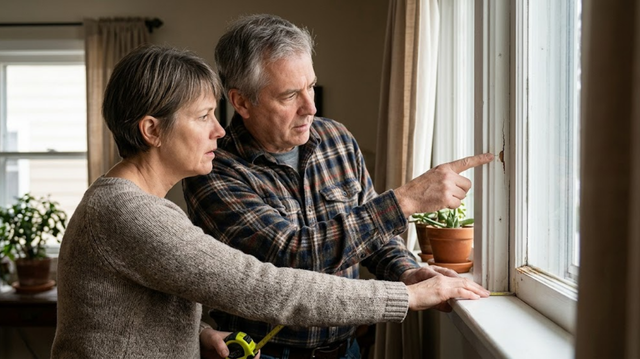
An on-site inspection by a licensed contractor is the best way to determine whether you need a quick repair or a full window replacement. A professional will measure your window openings accurately, inspect your frames for hidden moisture, and help you select the best materials and glass options for your budget and local climate.
Do not wait for your energy bills to rise further or for minor leaks to become structural damage. Take the first step toward a more comfortable, energy-efficient, and secure home.
Talk with an agent here or dial +1 (888) 617-5812