7 Red Flags You’re Overpaying for Your Home Remodel
Aug/29/2026 487 Red Flags You’re Overpaying for Your Home Remodel (And How to Get the Best Local Quote)
Home improvement projects are exciting, but they can also feel very confusing and expensive. Whether you are updating a single room or planning a total home makeover, managing your budget is often the hardest part.
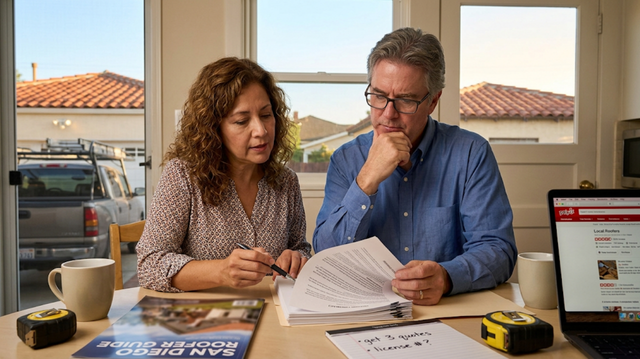
Many homeowners end up paying 20% to 30% more than necessary simply because they do not compare multiple local estimates. When you accept the first price you receive, you lose your ability to spot unusual charges, marked-up material costs, or unnecessary labor fees.
If you are getting ready to speak directly with professionals, knowing what to look out for will protect your savings. Below are the major red flags to watch for, the key questions for hiring a contractor, and a breakdown of real-world costs for popular projects like flooring.
The Red Flags to Avoid for Flooring
No Local References
If a contractor cannot provide references from recent clients in your immediate area, treat it as a major warning sign.
- Out-of-State Outfits: Hiring companies that operate far outside your community (such as out-of-state crews travelling for quick solar or roofing jobs) often leads to communication issues and long service delays.
- Lack of Accountability: Local pros rely on their local reputation. Out-of-area workers can easily leave town if a problem arises after the job is done.
Vague Estimates
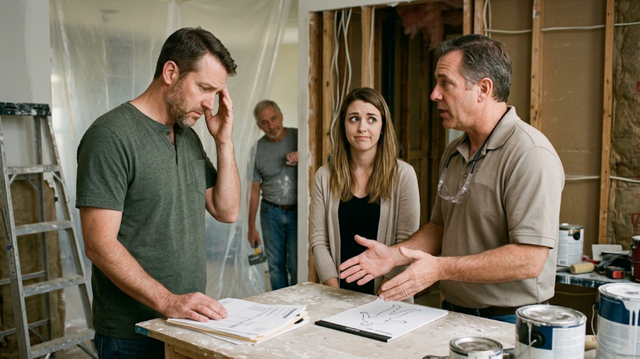
Never accept an estimate that only gives a single total price without breaking down costs.
- The Danger of "Ballpark" Figures: A simple line item that says "Remodel: $15,000" gives the contractor room to add unexpected charges later.
- Budget Creep: Without clear line items for materials, labor, permits, and trash removal, small add-ons will quickly cause your total price to surge past your original budget.
Missing Certifications
Always check that your installer or contractor holds the proper industry certifications for their field:
- Roofing: Look for manufacturer-backed standards like GAF Certification.
- Solar: Verify that technicians carry NABCEP (North American Board of Certified Energy Practitioners) credentials.
- General Contracting: Ensure they carry active state licensing, general liability insurance, and worker’s compensation coverage.
Important Questions for Hiring a Flooring Contractor
Before you sign any contract or pay a deposit, ask these direct questions during your consultation:
- **"Are you fully licensed, bonded, and insured in this state?"**Request proof of insurance certificates directly from their provider.
- **"Will you be using subcontractors for any part of this project?"**If yes, ask if those subcontractors are also fully insured.
- **"What is our written payment schedule?"**Never pay the full amount upfront. A standard agreement involves a reasonable down payment, progress payments, and a final payment only after the work passes inspection.
- **"How do you handle unexpected changes or extra expenses?"**Require all changes to be documented in a written Change Order signed by both parties before work continues.
- **"What specific warranties cover the labor and the materials?"**Distinguish between the manufacturer’s product warranty and the installer’s workmanship warranty.
Flooring Project Breakdown & Pricing
Flooring Installation Rates & Floating Floor Costs
Flooring is one of the most effective ways to update your space. However, total project pricing depends heavily on the materials you select and the installation methods required.
What are Floating Floors?
A floating floor refers to a method of installation where the flooring material snaps or locks together above the subfloor without needing to be nailed or glued down. Common options include luxury vinyl plank (LVP), laminate, and engineered hardwood.
Estimated Costs Overview
| Flooring Type | Material Cost (per sq ft) | Labor Rate (per sq ft) | Total Installed Cost (per sq ft) |
|---|---|---|---|
| Laminate (Floating) | $1.50 – $4.00 | $2.00 – $4.00 | $3.50 – $8.00 |
| Luxury Vinyl Plank (Floating) | $2.00 – $6.00 | $2.00 – $5.00 | $4.00 – $11.00 |
| Engineered Hardwood (Floating) | $4.00 – $10.00 | $3.00 – $7.00 | $7.00 – $17.00 |
| Traditional Solid Hardwood (Nailed) | $5.00 – $12.00 | $4.00 – $8.00 | $9.00 – $20.00 |
| Ceramic / Porcelain Tile | $2.00 – $8.00 | $5.00 – $10.00 | $7.00 – $18.00 |
Key Factors Influencing Overall Flooring Rates
- Subfloor Preparation: Removing old flooring, leveling uneven subfloors, or repairing water damage adds prep labor charges.
- Underlayment: Floating floors require an underlayment layer for moisture protection and soundproofing, which typically adds $0.50 to $1.50 per square foot.
- Room Layout: Spaces with many closets, corners, or stairs require extra cuts and time, raising labor fees.
Get Your Free Local Quotes
Don't guess your project cost or settle for the first estimate you receive. Our 101-point contractor network carefully vets top-rated local pros so you don't have to stress.
Talk to a vetted contractor in your area today here or dial +1 (888) 646-7358