Don’t Sign Until You Read This: How to Hire the Best Local Roofing Contractors in California (Without Getting Overcharged)
Aug/18/2026 542Don’t Sign Until You Read This: How to Hire the Best Local Roofing Contractors in California (Without Getting Overcharged)
1. Step 1: Verify Licensing and Insurance in California
Never let anyone step onto your roof until you verify their credentials. California has strict laws designed to protect homeowners, but you must know what to check.
Verify the CSLB C-39 License
In California, any roofing job worth $1,000 or more in combined labor and materials legally requires a state contractor's license. Roofing specialty contractors must hold an active C-39 license from the California Contractors State License Board (CSLB).
- Go directly to the official CSLB portal online.
- Search by the contractor's business name or license number.
- Ensure the license status says Active, the classification includes C-39, and there are no severe pending disciplinary actions.
Demand Proof of Insurance
Working on a roof carries high physical risk. If a worker gets injured or damages your property without proper coverage, you could be held financially liable. Ask the roofer for a Certificate of Insurance showing:
- Workers’ Compensation Insurance: Required by California law for all roofing contractors with employees.
- General Liability Insurance: Protects your home, landscaping, and neighbor's property if an accident occurs during construction.
2. Red Flags: 6 Signs You Should Walk Away
When searching for the best local roofing contractors california has to offer, avoiding bad actors is just as important as finding good ones. Watch out for these common red flags:
- Demanding Huge Upfront Payments: Under California Business and Professions Code, a contractor cannot legally ask for a down payment exceeding $1,000 or 10% of the total project price, whichever is less. If a company demands 30% to 50% upfront before materials arrive, walk away immediately.
- Asking You to Pull the Building Permit: A legitimate roofing contractor will handle all municipal building permits, city inspections, and code compliance as part of their service scope. If a contractor asks you to pull the permit as an owner-builder, they are likely unlicensed, uninsured, or avoiding local building oversight.
- Out-of-State "Storm Chasers": After major winter storms or fire events in California, out-of-state contractors flood local markets. They often perform quick, low-quality repairs and disappear before issues surface. Look for established local companies with a physical address in your area and local references.
- High-Pressure "Today Only" Pricing: Reliable contractors give you time to evaluate an estimate. If someone pressures you to sign immediately or claims a discount expires when they leave your porch, move on.
- Vague Written Estimates: An estimate that lacks details on material brands, warranty lengths, and disposal fees creates room for unexpected budget creep.
- Cash-Only Demands: Unrecorded payments leave you with no legal paper trail, no warranty backup, and no recourse if the work is left unfinished.
3. The 7 Critical Questions to Ask Before Signing
Before handing over a deposit or signing a work proposal, ask these seven essential questions during your consultation:
- "Are you a manufacturer-certified installer (e.g., GAF, CertainTeed, Owens Corning)?"
- Why it matters: Manufacturer certification tiers determine your warranty coverage. Top-tier certified contractors can offer enhanced extended manufacturer warranties covering both materials and labor.
- "Will this be a complete tear-off or an overlay?"
- Why it matters: Adding new shingles over old ones (an overlay) may save money short-term, but it hides rot, adds weight, and often voids manufacturer warranties. A complete tear-off exposes water-damaged decking for repair.
- "Do you use your own employees or subcontractors?"
- Why it matters: If subcontractors are used, confirm that the primary contractor's liability and workers' compensation coverage extend to them.
- "How do you protect my driveway, gutters, and landscaping?"
- Why it matters: Roofing generates heavy debris and sharp nails. Reliable roofers place protective tarps over landscaping and run magnetic sweepers across your driveway daily.
- "What is your plan if you find rotted wood underneath?"
- Why it matters: Decking repairs are common mid-project findings. Ensure your quote specifies the cost per sheet of plywood or linear foot of fascia board upfront.
- "Does this roof comply with California Title 24 Cool Roof standards?"
- Why it matters: California's Title 24 Energy Code requires cool roof materials (reflective shingles or tiles) in many climate zones to lower summer cooling loads.
- "What specific workmanship warranty do you provide?"
- Why it matters: Material warranties come from the manufacturer, but the labor/workmanship warranty comes from the installer. Get all warranty terms in writing.
4. Understanding Roofing Costs in California
Roofing costs vary based on square footage, roof pitch, material choice, and local labor rates. Below is a breakdown of common materials used across California homes:
- Architectural Asphalt Shingles: Generally range from $5.50 to $9.00 per square foot with a lifespan of 25 to 30 years. Best for budget-friendly, versatile, and energy-efficient choice.
- Concrete / Clay Tile: Generally range from $10.00 to $18.00 per square foot with a lifespan of 50+ years. Best for Spanish and Mediterranean style homes requiring high durability.
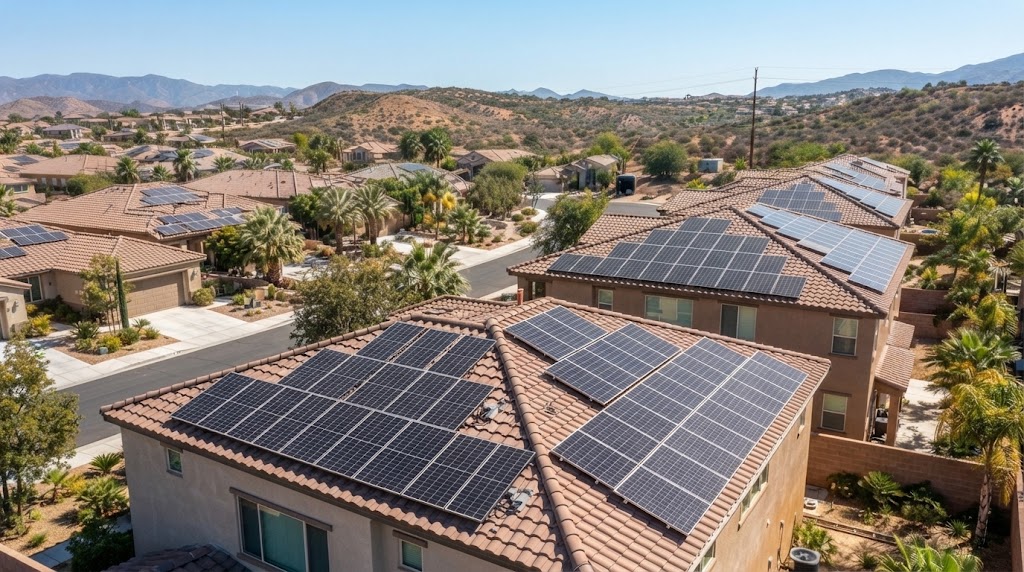
- Standing Seam Metal: Generally range from $12.00 to $20.00 per square foot with a lifespan of 40 to 70 years. Best for fire resistance, solar panel integration, and modern aesthetics.
- Flat Roof Systems (TPO / EPDM): Generally range from $6.00 to $11.00 per square foot with a lifespan of 20 to 25 years. Best for low-slope residential additions and commercial spaces.
What Should Be Included in Your Written Estimate?
A professional written quote must break down:
- Full tear-off and disposal fees
- Specific brand, color, and grade of underlayment, shingles, flashing, and ridge vents
- City permit fees and inspection handling
- Workmanship and manufacturer warranty details
- Payment schedule tied to project completion milestones
5. How to Choose Among the Best Roofing Contractors Near You
When evaluating bids from the best roofing contractors in my area, do not automatically pick the lowest bid.
An unusually low estimate often means the contractor is using lower-grade materials, skipping underlayment upgrades, employing uninsured labor, or planning to add hidden charges halfway through the job.
- Verify Credentials: Confirm an active CSLB C-39 license and active Workers' Compensation policy online.
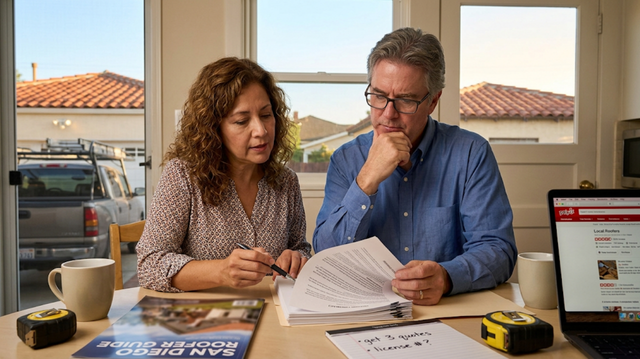
- Collect 3 Estimates: Get detailed written proposals and compare the scope of work rather than just the final price tag.
- Check Local History: Review recent Google Business reviews, local photos, and verifiable references from completed jobs in your neighborhood.
- Confirm Compliance: Make sure materials meet local Title 24 energy codes and that installers hold manufacturer certifications.
- Sign Securely: Ensure your contract limits the upfront deposit to a maximum of $1,000 or 10% before work starts.
By following this step-by-step process, you eliminate 95% of contracting risks and ensure your home receives a durable, high-quality installation.
6. Take Action: Get Your Free Local Quotes Today
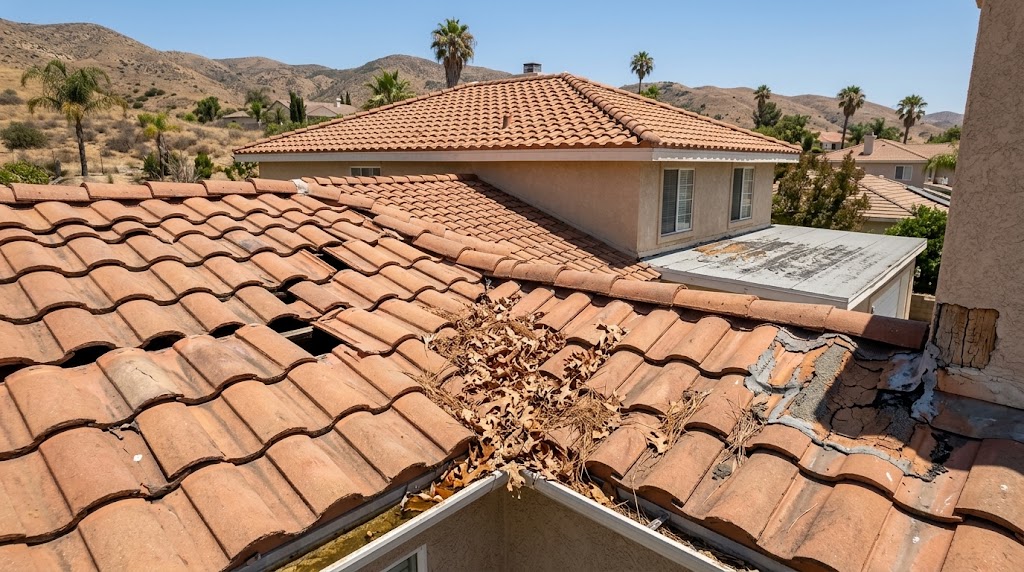
Your roof is your home’s primary defense against rain, heat, and wind. Waiting for an active leak to worsen will only increase structural repair costs, interior ceiling damage, and mold risks.
Don't guess your project cost. Connect with thoroughly vetted, licensed, and insured California roofing professionals in your area today.
- Compare 3 Free Quotes in Under 2 Minutes
- 100% Verified C-39 Licensed Contractors
- No Obligation to Buy
Talk to a vetted contractor in your area today here or dial +1 (888) 646-7358