Going Solar in California? What to Look for When Choosing a Solar Pro
Oct/02/2026 39Going Solar in California? What to Look for When Choosing a Solar Pro
Surging electric bills, persistent heatwaves, and a shifting energy landscape leave many California homeowners feeling overwhelmed. Keeping the lights on and the air conditioning running during high-heat months feels like an uphill battle against rising utility rates.
If you have spent late nights scanning your monthly bill and wondering how to take control of your energy costs, you are far from alone. Switching to solar energy stands as one of the most effective long-term investments you can make for your home, but taking that first step often feels intimidating. Between deciphering technical specs, navigating state efficiency regulations, and figuring out who you can trust on your roof, it is easy to hit pause.
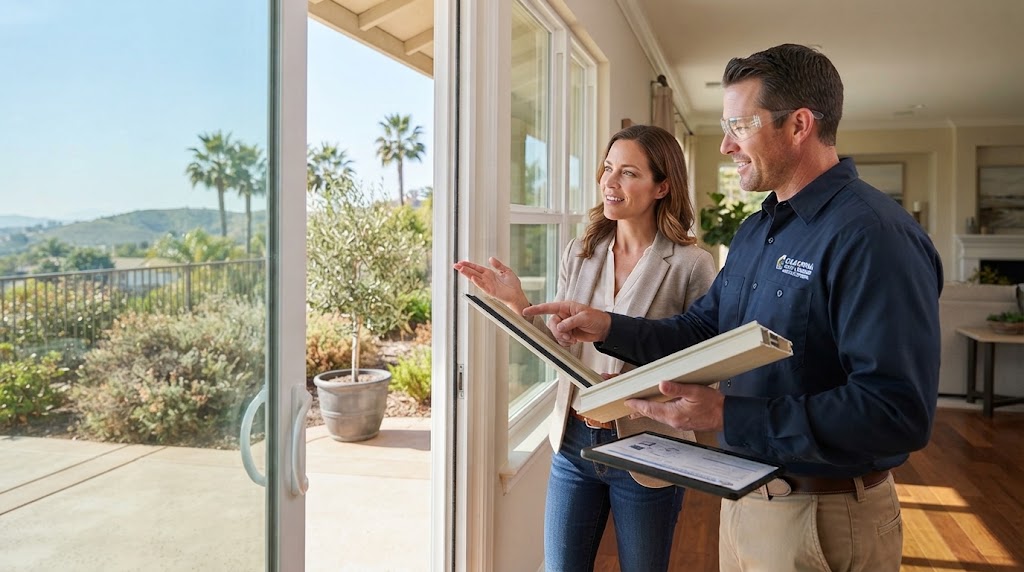
Fortunately, bringing solar power to your home does not need to be stressful or confusing. Gathering clarity starts with a simple step: requesting a free, no-obligation quote from a verified local specialist.
Submitting a quick online inquiry form removes the guesswork, connecting you directly with trusted professionals who understand California’s unique climate, local building codes, and grid rules.
Understanding the Problem: Navigating High Energy Bills and California's Power Grid
California offers some of the best conditions for solar energy in the nation, boasting an average of 260 to 300 sunny days each year depending on your region. Yet, despite this abundance of natural sunshine, residents routinely face some of the highest residential electricity rates in the United States.
Squeezed by Utility Rate Hikes
Over the past decade, major utility providers across the state have consistently raised rates to cover grid modernizations, infrastructure maintenance, and wildfire mitigation efforts. For homeowners, this means summer cooling costs can quickly cause utility bills to skyrocket. When every rate revision pushes your monthly expenditure higher, traditional energy reliance turns into an unpredictable financial strain.
Unforgiving Climate Demands
California's climate places continuous demands on home energy systems. Inland valleys and central regions regularly endure prolonged heat waves where temperatures climb past 100 degrees Fahrenheit, keeping air conditioning units working constantly. Coastal regions deal with damp, salty air that can corrode exposed hardware, while mountain and foothill communities face seasonal storms, atmospheric rivers, and wildfire smoke that cause sudden grid shutoffs.
Without an independent power source or modern battery system, your home remains fully exposed to rolling blackouts, peak-hour surge pricing, and escalating utility fees.
The True Cost of Delaying the Decision
Putting off a transition to renewable energy means continuing to send money to your utility company with zero return on investment. Every month you pay a standard electric bill is a month you miss out on building equity in your home's energy system. Furthermore, waiting can mean missing out on current state incentives, tax credits, and favorable net metering programs before policy structures shift again.
Addressing your energy costs early protects your household budget from inflation, increases your property value, and ensures your family stays comfortable regardless of grid stability.
Answers to Common Solar Questions
How much does a solar panel installation cost in California?
A typical residential solar system in California ranges between $15,000 and $25,000 before applying federal tax credits or local incentives. Final pricing depends on your daily power consumption, roof size, equipment quality, and whether you include battery storage. Submitting an online quote request connects you with local installers for customized estimates tailored to your home's exact energy profile.
When should you call a pro for solar installation?
You should consult a qualified solar pro as soon as your monthly electric bill consistently impacts your budget, or when planning roof repairs. Early consultation ensures your roof is structurally sound for panels and allows installers to design a system that maximizes your solar exposure, navigate permit backlogs, and secure optimal net metering agreements.
Is it worth installing solar panels in California today?
Yes, installing solar panels remains a solid financial investment for most California homeowners. Despite recent shifts in net metering rules (NEM 3.0), pairing high-efficiency solar panels with home battery storage allows you to capture daytime energy, avoid peak evening utility rates, and maintain backup power during outages, yielding substantial long-term savings.
DIY vs. Professional Expertise: Knowing When to Hire a Licensed Pro
It is always satisfying to roll up your sleeves for home improvement projects, but solar installation is one area where professional expertise is absolutely essential. While basic home maintenance—like clearing leaves out of gutters or trimming overhanging tree branches—is safe for handy homeowners, putting together a high-voltage solar array involves serious electrical and structural risks.
Solar Installation Scope
| DIY Maintenance | Licensed Contractor Scope |
|---|---|
| Clearing roof debris | High-voltage electrical work |
| Trimming shade branches | Structural roof attachments |
| Surface panel cleaning | Title 24 & CSLB compliance |
| Visual inspections | C-46 / C-10 trade permits |
Safety and High-Voltage Electrical Systems
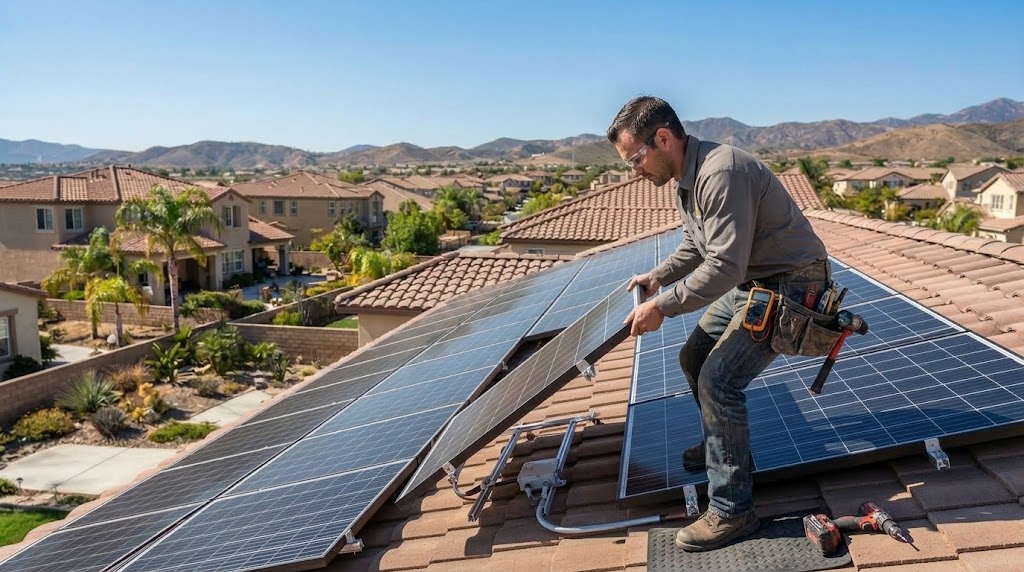
Solar installations involve tying a high-voltage direct current (DC) system into your home’s primary alternating current (AC) electrical panel. Working with raw electricity without specialized training creates high risks of severe electrical shock, system short circuits, and structural fires. Licensed solar contractors undergo hundreds of hours of hands-on technical training to safely handle high-voltage wiring, install dedicated breakers, and ensure your system is properly grounded.
Structural Integrity and Roof Protections
Securing solar panels to your roof requires precision penetration and specialized racking systems. Poorly executed DIY attempts can compromise your roof's waterproofing layer, leading to hidden leaks, dry rot, structural wood damage, and mold growth. Professional installers carefully evaluate your roof’s truss system, apply commercial-grade flashing sealants, and guarantee their mounting work with structural warranties.
Navigating Permits and Grid Interconnection
California enforces some of the strictest building and energy safety codes in the nation, including Title 24 building energy standards. Connecting a solar array to the utility grid requires:
- In-depth engineering schematics submitted to your local city or county building department.
- Official electrical and structural building permits.
- Interconnection applications signed off by your regional utility company (such as PG&E, SCE, or SDG&E).
Attempting to bypass these legal channels can result in heavy municipal fines, required teardowns, and an immediate refusal by your utility provider to connect your system. A licensed California contractor manages every step of this administrative process on your behalf, ensuring complete compliance from start to finish.
Navigating Costs and Project Scope
Understanding what goes into your total solar investment helps you evaluate quotes with complete confidence. Solar pricing is not a one-size-fits-all metric; it reflects a carefully customized combination of hardware, labor, structural preparation, and administrative fees.
Core Price Factors for California Solar Projects
System Size and Household Usage
Your system size is determined by your daily kilowatt-hour (kWh) usage, not just the square footage of your home. A family running central air conditioning, an electric vehicle charger, and a pool pump will require a larger kilowatt system than a low-usage household, directly affecting the number of panels required.
Equipment Quality and Warranties
Tier-1 monocrystalline panels offer higher efficiency ratings, longer performance warranties (typically 25 years), and better aesthetic appeal than budget alternatives. Microinverters or string inverters with power optimizers also impact hardware costs, but they provide superior performance when partial shading from trees or surrounding structures occurs.
Battery Storage Solutions
With California's current energy policies, adding a solar battery storage unit (such as a lithium-iron-phosphate battery system) is increasingly common. While a battery adds to your initial equipment cost, it allows you to store excess daytime solar energy and run off battery power during high-cost peak evening hours or sudden utility blackouts.
Roof Condition and Electrical Panel Upgrades
If your electrical main service panel is older (e.g., 100-amp capacity), it may require an upgrade to a 200-amp panel to safely manage the new solar power inputs. Similarly, if your roof needs replacement within the next few years, it is best to re-roof prior to solar installation to avoid paying removal and re-installation fees later.
Local Permit Fees and Interconnection
Local municipal permit fees vary depending on your city or county jurisdiction. Professional quote breakdowns will clearly outline these administrative pass-through costs alongside labor and equipment charges.
By requesting detailed quotes from qualified local pros, you can view an itemized breakdown of these factors and see how federal tax credits—such as the Residential Clean Energy Credit—apply directly toward reducing your out-of-pocket investment.
How Online Quote Forms Simplify Finding the Right California Pro
Tracking down trustworthy home service professionals used to mean spending hours making phone calls, leaving voicemails, and waiting days just to schedule an initial consultation. Online inquiry forms streamline this entire process, taking the hassle out of finding a reliable local professional.
The Efficiency of a 60-Second Online Inquiry
Filling out a streamlined online form takes less than a minute, but it instantly connects you with vetted contractors serving your immediate geographic area. Instead of reaching out blindly, you share a few basic details about your home, energy goals, and location. In return, you receive tailored quotes from local professionals who are ready to compete for your business.
Key Advantages of Online Matching
Verified Credentials and Licensing
Reputable quote matching platforms verify that participating contractors maintain active licenses with the California Contractors State License Board (CSLB). In California, solar installers should hold a specialized Solar Contractor license (C-46), a General Building Contractor license (Class B), or an Electrical Contractor license (C-10).
Appropriate Insurance Coverage
Vetted contractors carry active Workers' Compensation insurance and General Liability insurance, ensuring you are fully protected from liability in the event of an accidental injury or property damage during the installation.
Regional Expertise and Knowledge
Local pros understand your area's specific microclimate, municipal permit requirements, and regional utility incentives. A contractor familiar with your city's building inspectors can move your project through permitting and grid interconnection far faster than an out-of-region provider.
Transparent, Low-Pressure Comparisons
Receiving multiple quotes through a single request gives you a clear line of sight on market-rate pricing for equipment and labor in your area. You can review proposals side-by-side without feeling pressured into signing a contract right away.
Crucial Questions to Discuss with Your Matched Contractor
Once you connect with a matched local solar contractor, ask these key questions during your initial site assessment or phone consultation:
- Which CSLB license classification do you hold, and is your license currently in good standing?
- Will your in-house team handle the installation, or do you hire third-party subcontractors?
- What specific panel and inverter brands do you recommend for my home, and why?
- How do you handle the local building permit process and utility interconnection paperwork?
- What workmanship and roof penetration warranties do you provide beyond the manufacturer warranties?
- How will my project design account for California’s current net energy metering (NEM) policies and peak utility rates?
Asking these focused questions ensures your contractor is experienced, transparent, and aligned with your long-term household goals.
Frequently Asked Questions
What happens to my solar installation during a California blackout?
Standard grid-tied solar systems automatically shut down during a power outage to prevent sending electricity back into power lines while utility crews make repairs. However, if your system includes a solar battery backup system, your home can switch to stored battery power automatically, keeping critical appliances, lights, and medical devices running seamlessly.
How long does the solar installation process take from start to finish?
While the physical rooftop installation usually takes just 1 to 3 days, the overall process typically takes 4 to 8 weeks. This timeline accounts for initial site assessments, custom system design, municipal building permit approvals, and final utility sign-off for Permission to Operate (PTO).
Will installing solar panels increase my property taxes in California?
In California, installing a solar energy system generally does not increase your property taxes. Under current state tax law provisions, active solar energy systems added to an existing home are exempt from property tax reassessment, allowing you to build equity without triggering a higher local property tax bill.
What should I do if my roof needs repair before going solar?
If your roof is nearing the end of its operational life, it is best to complete needed repairs or a full re-roofing prior to solar installation. Combining roof replacement with solar installation often saves on total labor costs, and your contractor can coordinate both projects smoothly to ensure a fully sealed, long-lasting installation.
How do I know if my roof gets enough sunlight for solar panels?
A qualified solar contractor can perform a remote shade analysis using satellite imagery and aerial mapping tools to measure your roof’s pitch, orientation, and annual sun exposure. They will determine whether a south- or west-facing roof section provides sufficient solar intake to meet your energy production targets.
What maintenance is required for solar panels in California?
Solar panels require minimal maintenance because they have no moving parts. In California, routine maintenance mostly involves spraying down panels with a garden hose once or twice a year to remove dust, pollen, or wildfire ash accumulation, ensuring maximum sunlight absorption and peak energy efficiency.
Take the First Step Toward Lower Energy Bills Today
Navigating rising energy costs does not have to be a source of stress. Switching to clean, renewable solar power gives you long-term control over your household utility budget, protects your family from unexpected power outages, and adds lasting value to your home.
You do not need to spend hours deciphering complex technical specs or making endless phone calls to figure out your options. Reclaiming your peace of mind starts with getting accurate, local information tailored to your specific property.
Submitting a quick online inquiry is the fastest, lowest-pressure way to explore what solar energy can do for your household. Within minutes, you can connect with top-rated, CSLB-licensed solar specialists right here in California who are ready to evaluate your energy needs, answer your questions, and deliver a free, no-obligation quote.
Request Your Free Local Quote
Ready to take control of your monthly electricity bills? Getting started is fast, simple, and completely risk-free.
Tell us a little bit about your home energy goals, and we will match you with pre-vetted, licensed California solar contractors who serve your local community. Compare clear estimates, review equipment options, and choose the perfect partner for your home—all with zero obligation.
Please visit us here to find Find top-rated service pros for your project or call us at 1 (888) 646-7358!