What Is the Best Flooring for Homes With Pets and Kids?
Oct/29/2026 54What Is the Best Flooring for Homes With Pets and Kids?
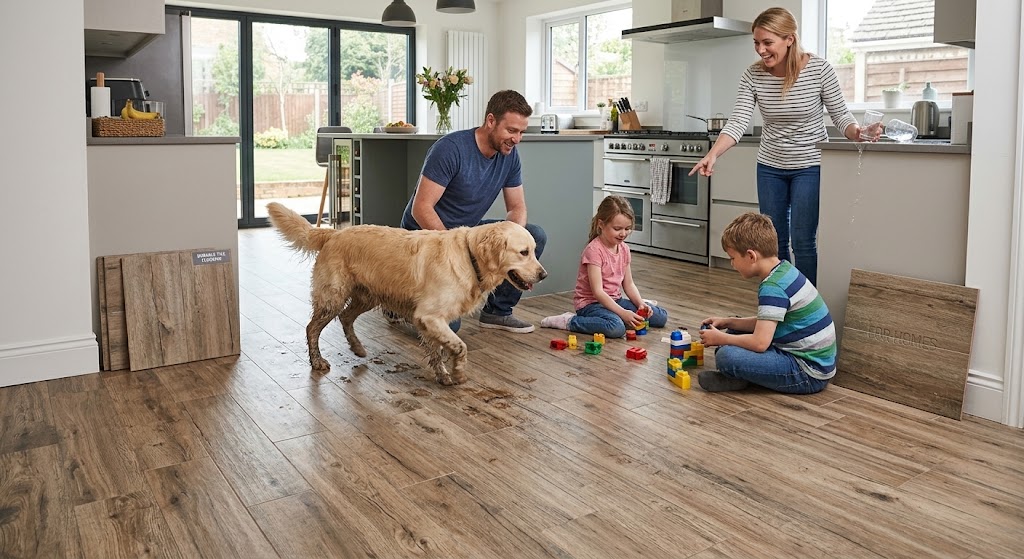
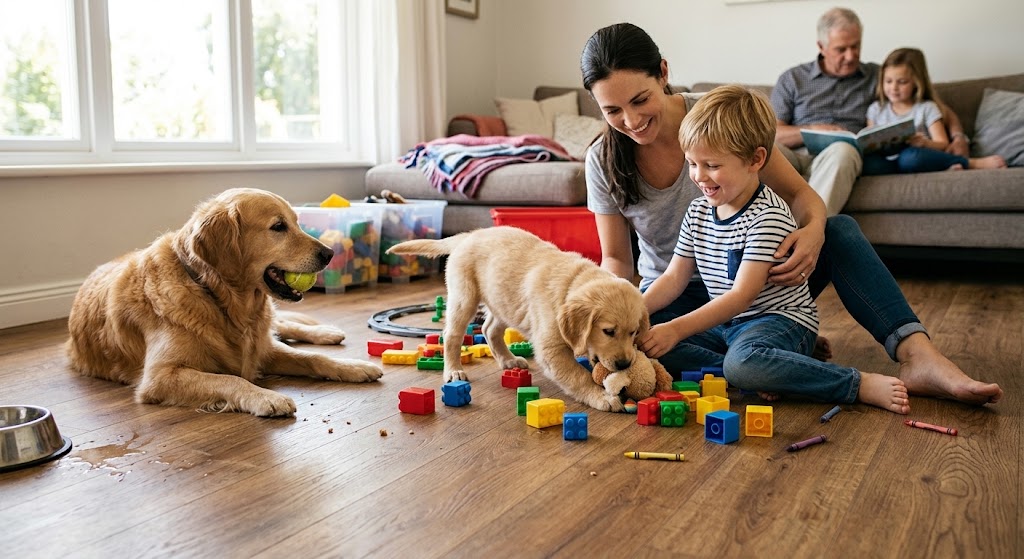
If you have stepped into your living room on a sunny California morning only to notice a fresh trail of mud, deeply carved dog nail scratches, or an unidentified juice spill soaking into your carpet, you are far from alone. Managing a vibrant home filled with energetic children and beloved pets is deeply rewarding, but it places relentless pressure on your floors.
From muddy paws after a rainy winter atmospheric river to spilled milk, skateboard drops, and endless backyard racing, your floors bear the brunt of everyday family life. Many homeowners reach a tipping point where vacuuming faded carpet or obsessing over every hardwood scratch simply becomes exhausting. You want a home that feels warm, beautiful, and inviting—without having to constantly play police officer over every toy drop or pet accident.
Choosing new flooring should bring relief, not additional stress. However, with hundreds of options ranging from luxury vinyl plank and waterproof hybrid tile to engineered hardwood and stain-resistant carpet, picking the right material can quickly feel overwhelming. California’s climate introduces even more variables, including relentless UV exposure, moisture variations, seasonal humidity swings, and strict indoor air quality standards.
The good news? You do not have to compromise on style to get indestructible durability. Modern flooring technology has evolved dramatically, offering stunning, high-end designs built specifically to withstand heavy paws, sharp claws, messy spills, and toddler chaos. Even better, you do not have to figure out this major investment by yourself. By filling out a simple online inquiry form, you can instantly connect with licensed, pre-vetted California flooring contractors who can bring samples directly to your living room, evaluate your subfloor, and provide clear, transparent pricing tailored to your family's needs.
Understanding the Problem: Paws, Claws, Spills, and California Moisture
To choose the perfect floor, it helps to understand why traditional flooring options often fail under the combined stress of children and pets. Flooring damage rarely happens overnight; instead, it accumulates through daily wear and environmental strain.
Scratch and Gouge Accumulation
Dogs, especially medium to large breeds, exert significant pressure through their nails when running, jumping, or turning quickly. Traditional hardwood floors with soft polyurethane coatings quickly develop dull, white scratch marks. Over time, these micro-scratches break through the finish, exposing raw wood beneath. Children contribute equally with plastic toys, dragged furniture, dropped metal objects, and cleats.
Liquid Penetration and Pet Accidents
Accidents happen—whether it is a puppy being house-trained, an aging cat, or a toddler spilling a full cup of apple juice. The danger lies in how quickly liquid penetrates floor joints. When liquids seep between floor planks or saturate carpet padding, several issues occur:
- Subfloor Rot and Warping: Trapped moisture leads to subfloor decay, swelling, and costly structural repairs.
- Persistent Odors: Pet urine contains uric acid crystals that sink deep into wooden subfloors or carpet padding, reactivating unpleasant smells whenever humidity rises.
- Mold and Mildew Growth: California’s coastal humidity and damp winter weather can turn trapped subfloor moisture into a breeding ground for mold, compromising your family’s indoor air quality.
Fading, Buckling, and California's Unique Environmental Factors
California homes present specific climate challenges that directly affect floor longevity:
- Intense UV Exposure: Bright sunshine streaming through large sliding glass doors or panoramic windows can yellow, fade, or bleach natural woods and cheap laminates within just a few seasons.
- Temperature Swings and Expansion: Intense heat waves in regions like the Central Valley or Inland Empire cause subfloors to expand, while cool coastal evenings cause contraction. Poorly installed floors without proper expansion gaps will buckle, tent, or gap.
- Atmospheric Rivers and High Water Tables: Heavy winter rainstorms can cause dampness to migrate upward through concrete slabs, causing glue-down floors to release or wood planks to cup.
Recognizing these vulnerabilities allows you to skip fragile materials and invest in flooring systems designed specifically to handle tough local environments.
Featured Snippet Answers: Quick Answers for Homeowners
When researching flooring options, quick, clear facts help clarify your options before you request professional quotes.
How Much Does Pet-Friendly Flooring Cost in California?
On average, high-quality pet-friendly flooring in California costs between $3 and $12 per square foot for materials, with professional installation adding $2 to $8 per square foot depending on subfloor preparation, removal of old flooring, and regional labor rates. Total installed costs typically range from $5 to $20 per square foot.
When Should You Call a Professional Flooring Contractor?
You should call a professional contractor if your subfloor feels soft, uneven, or squeaky, if you suspect pet urine moisture has penetrated beneath the surface, or if you plan to install floating or glue-down systems over concrete slabs. Professional contractors ensure proper subfloor leveling, moisture barriers, and compliance with local building codes.
Is Waterproof Luxury Vinyl Plank (LVP) Worth It for Kids and Pets?
Yes. Waterproof Luxury Vinyl Plank (LVP) is widely considered the overall best investment for homes with kids and pets. It features a heavy-duty wear layer (20 mil or higher) that resists deep claw scratches, is 100% waterproof to prevent liquid damage, and realistically mimics natural hardwood at a fraction of the cost.
Top Pet and Kid-Friendly Flooring Options: A Detailed Comparison
Every material offers distinct advantages regarding durability, comfort, maintenance, and visual appeal. Here is a breakdown of top-performing options.
1. Luxury Vinyl Plank (LVP) and Luxury Vinyl Tile (LVT)
Luxury Vinyl Plank has revolutionized residential flooring, becoming the top choice for busy families across California.
- Durability: Built with a dense rigid core (SPC/WPC) and topped with a commercial-grade wear layer (20 mil+), LVP resists deep dog scratches, heavy foot traffic, and impact from dropped items.
- Water Resistance: 100% waterproof. Spilled water, muddy wet shoes, or standing pet urine will not cause swelling, cupping, or plank separation.
- Comfort & Sound: Soft underfoot compared to natural tile, reducing noise from running pets or falling toys—especially when installed with premium acoustic underlayment.
- Ideal For: Living rooms, kitchens, hallways, basements, and entryways.
2. Porcelains and Ceramic Tile
For unmatched longevity and total liquid protection, tile remains an unbeatable classic.
- Durability: Porcelain tile is extremely hard, scratch-proof, and impervious to heavy dog claws or sharp toy edges.
- Water Resistance: Completely waterproof and simple to sanitize using eco-friendly cleaners or steam mops.
- Cons to Consider: Hard and cold underfoot, requiring area rugs for cozy living areas. Dropped glassware or ceramic cups will shatter instantly, and grout lines require regular sealing to prevent staining.
- Ideal For: Bathrooms, mudrooms, laundry rooms, and high-traffic kitchens.
3. Waterproof Hybrid Laminate
Modern premium laminate is no longer the cheap, swelling particleboard of the past.
- Durability: Offers superior scratch resistance compared to natural wood, featuring durable aluminum oxide surface coatings.
- Water Resistance: New waterproof laminates feature tight locking mechanisms and water-repellent topical coatings that protect against standing liquid for up to 24 to 72 hours.
- Aesthetics: Provides extremely realistic hardwood texture, wood grain depth, and matte finishes.
- Ideal For: Bedrooms, dining rooms, and main living zones.
4. High-Performance Stain-Resistant Carpet (Triexta / Solution-Dyed Nylon)
While hard surfaces dominate modern design, many families still prefer soft carpet in bedrooms and play areas.
- Durability: Triexta (SmartStrand) and solution-dyed nylon fibers offer excellent resilience against crushing and matting.
- Stain Resistance: Built-in stain protection prevents pet accidents, juice spills, and dirt from bonding to carpet fibers, allowing easy cleanup with mild soap and warm water.
- Waterproof Backing: Select pet-carpet lines feature waterproof backing layers that prevent liquids from reaching the carpet pad and subfloor.
- Ideal For: Children’s playrooms, nurseries, and master bedrooms.
5. Engineered Hardwood with Commercial Finishes
If you love natural hardwood and accept minor character aging, engineered hardwood is the safest real-wood choice for California’s fluctuating humidity.
- Durability: A real wood veneer fused over a high-density plywood core provides structural stability against cupping and warping.
- Pet Performance: Choose high-hardness species (like White Oak, Hickory, or Maple) featuring wire-brushed textures and low-gloss matte finishes to camouflage pet scratches.
- Ideal For: Formal living rooms, master suites, and open-concept spaces.
DIY vs. Professional Installation: What Homeowners Must Know
With online video tutorials readily available, many homeowners wonder if floor installation makes a good weekend DIY project. While clicking together floating planks in a square room might seem straightforward, professional installation ensures long-term performance—especially in homes with kids and pets.
Minor Maintenance You Can Tackle Yourself
- Applying temporary rug pads under area rugs to prevent slipping.
- Trimming pet nails regularly and placing protective felt pads under heavy furniture.
- Cleaning up liquid spills immediately with manufacturer-approved cleaning solutions.
Why Complex Installation Requires Licensed California Contractors
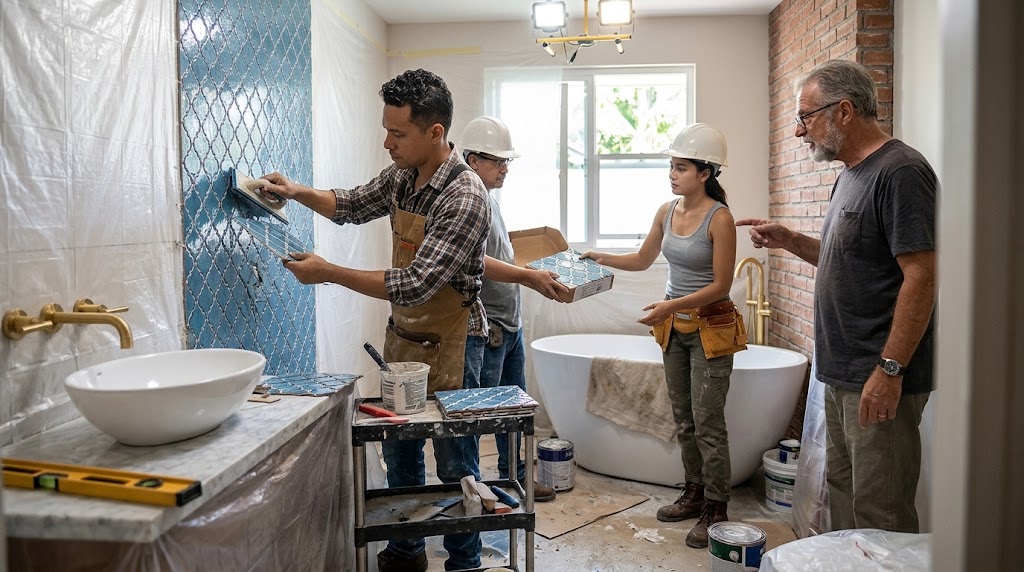
- Subfloor Preparation and Leveling: Even the highest quality LVP or laminate will click, squeak, or uncouple if installed over an uneven subfloor. Professional contractors grind down high spots on concrete, fill low dips, and repair damaged plywood prior to installation.
- Moisture Testing: Installing floors over concrete slabs in California without performing calcium chloride or relative humidity tests can lead to trapped moisture, vapor pressure buildup, and total adhesive or plank failure.
- Acclimation: Flooring materials must acclimate to your home's internal temperature and humidity levels for 48 to 72 hours prior to installation to prevent buckled planks or extreme gapping later.
- Baseboard and Trim Detailing: Professional installation includes precision cuts around doorways, sliding glass tracks, staircase transitions, and air vents for a flawless finished look.
- California Title 24 Compliance: Certified pros ensure acoustic underlayment meets California's strict sound transmission standards (STC and IIC ratings), which is crucial for multi-story homes or condo associations.
Investing in skilled installation prevents costly mistakes and ensures your new floors retain their manufacturer warranty coverage.
Navigating Costs and Scope in California
Flooring project costs vary based on several factors beyond raw material prices. Understanding these variables helps you set a realistic budget and evaluate contractor proposals accurately.
Key Factors Influencing Total Project Cost
- Square Footage and Layout: Large open-concept rooms are typically faster to install than homes with multiple small rooms, hallways, closets, and complex angles.
- Demolition and Haul-Away: Removing old glued-down carpet, tile, or original hardwood requires extra labor, specialized tools, and local disposal fees.
- Subfloor Repairs: Addressing hidden subfloor damage, pet odor neutralization, or installing self-leveling underlayment adds to total labor costs.
- Underlayment and Acoustic Requirements: Premium sound-reducing or vapor-barrier underlayments increase material costs slightly, but offer significant acoustic and moisture benefits.
- Local Permits and Municipal Guidelines: In some California jurisdictions, extensive renovation work requires building permits or inspections to verify compliance with local codes.
Rather than guessing material quantities or calculating labor rates yourself, getting an itemized, custom estimate from a local specialist ensures total financial clarity before work begins.
How Online Quote Forms Simplify Finding the Right California Pro
Finding a reliable, trustworthy contractor does not have to involve endless phone tag, unanswered emails, or unvetted online directory listings. Utilizing a streamlined online quote form takes the hassle out of hiring home service professionals.
What to Look for in a Qualified Flooring Contractor
When selecting a pro to handle your flooring installation, verify that they possess:
- Active CSLB Licensing: Always check that your contractor holds a valid C-15 (Flooring and Floor Covering) or B (General Building) license through the Contractors State License Board.
- Comprehensive Insurance: Ensure they carry both General Liability and Workers' Compensation insurance to protect your property and workers during installation.
- Verified Local Reviews: Review past client feedback, focusing on reliability, cleanliness, clear communication, and work quality.
- Transparent Written Contracts: Look for detailed proposals outlining project scope, material specifications, payment schedules, and warranty terms.
How Submitting an Online Inquiry Form Works
Completing a quick 60-second online inquiry form simplifies your search in three clear steps:
- Share Your Project Details: Enter basic information regarding your square footage, current floor type, preferred material, timeline, and location.
- Get Matched with Vetted Local Pros: Our system connects your request directly with pre-screened, licensed, top-rated local flooring specialists serving your specific California neighborhood.
- Compare Free, No-Obligation Quotes: Receive custom proposals, ask questions, compare material samples, and select the right contractor at your own pace—with zero sales pressure.
Crucial Questions to Ask Matched Contractors
Once local pros reach out to discuss your project, consider asking:
- "Which floor wear layer thickness do you recommend for heavy dog traffic?"
- "How do you test and prepare concrete subfloors for moisture protection?"
- "Does your bid cover old floor removal, trim replacement, and disposal fees?"
- "What is your estimated installation timeline from start to finish?"
- "What warranties cover both the flooring material and your installation labor?"
Frequently Asked Questions (FAQ)
What wear layer thickness is best for large dogs?
Look for Luxury Vinyl Plank with a wear layer of at least 20 mil (0.5mm). For extremely active homes or multiple large dogs, commercial-grade 28 mil or 30 mil wear layers offer maximum protection against scratches and scuffs.
Can pet urine stain or ruin luxury vinyl flooring?
High-quality LVP is 100% waterproof and will not stain or warp from surface pet urine. However, if liquid sits long enough to seep through outer expansion gaps or edge trims, it can reach the subfloor. Prompt cleanup and proper perimeter sealing during installation prevent deep subfloor odor issues.
How do I protect hardwood floors if I already have them and have pets?
Keep pet nails trimmed regularly, place heavy-duty runner rugs in high-traffic hallways, put absorbant mats under water bowls, and clean up liquid spills immediately. You can also hire a professional contractor to sand and refinish existing hardwoods using a durable, commercial-grade matte finish.
How long does a typical home flooring installation take?
Most residential flooring installations take 2 to 4 days, depending on overall square footage, subfloor prep work, and the type of material installed. Floating LVP or laminate is usually installed faster than glued-down hardwood or custom tile work.
Are eco-friendly and low-VOC flooring options available in California?
Yes. California maintains strict indoor air quality regulations. Look for floors certified by FloorScore or GREENGUARD Gold, which ensure low volatile organic compound (VOC) emissions for a healthy home environment.
Will new flooring increase my California home’s value?
Yes. Replacing worn, stained carpet or scratched floors with modern waterproof LVP, tile, or hardwood boosts home value, improves indoor aesthetics, and serves as a major selling point for future buyers.
Transform Your Home with Confidence: Request Your Free Quote
Your home should be a safe, beautiful, stress-free space where your kids can play freely and your pets can roam without you worrying about ruined floors. Upgrading to high-performance, pet-friendly flooring is an investment that pays daily dividends in peace of mind, easier cleaning, and lasting durability.
You do not have to navigate material selection, subfloor preparation, or contractor hiring alone. Taking the first step toward transforming your living space is quick, practical, and completely stress-free.
Fill out our quick online inquiry form today to request your free, no-obligation estimate. Get matched with top-rated, pre-vetted, licensed California flooring pros who will help you choose the perfect floor for your budget, family lifestyle, and home.
Ready for Beautiful, Scratch-Resistant Floors Built for Real Life?
Protect your home against paws, claws, spills, and heavy foot traffic with durable, pet-friendly flooring installed by trusted local professionals. Get matched with top-rated, licensed California contractors in minutes!
Please visit us here to find Find top-rated service pros for your project or call us at 1 (888) 646-7358!