The Homeowner’s Guide to Eco-Friendly Flooring Solutions
Jun/24/2026 260The Homeowner’s Guide to Eco-Friendly Flooring Solutions
When planning a home renovation, it is easy to get caught up solely in aesthetics. We browse design apps looking for the perfect shade of oak or the crispest tile layout. But as modern home services evolve, today’s homeowners are looking for more than just surface-level beauty. They want homes that support their family’s health and respect the environment.
If you are preparing for an upcoming home flooring installation, shifting your focus toward sustainable design is one of the smartest upgrades you can make.
Why Choose Eco-Friendly Flooring?
First things first: why should you consider eco-friendly flooring?
Aside from the obvious benefit of being kind to the planet, eco flooring options come with a host of other perks. They can be more durable, healthier, and highly cost-effective in the long run. Plus, they look fantastic. Who doesn't want a beautiful floor that's also doing its part to save the environment?
When you choose green building materials, you generally unlock three major household benefits:
- Better Indoor Air Quality: Traditional flooring materials—especially standard carpets and synthetic laminates—often release volatile organic compounds (VOCs). These chemicals off-gas into your home for years, potentially irritating allergies or respiratory systems. Eco-options typically feature low- or zero-VOC finishes and adhesives.
- Superior Longevity: Many natural, rapidly renewable resources are inherently tough. Materials like bamboo and cork boast incredible structural elasticity and density, allowing them to withstand heavy foot traffic and pet claws better than cheap synthetic alternatives.
- Long-Term Value: Sustainable homes are highly attractive to modern home buyers. Investing in high-quality green materials can elevate your home's equity and overall market appeal.
Top Sustainable Flooring Options to Consider
The green flooring market has grown massively, giving you plenty of gorgeous options to fit any interior design style. Here are the top performers recommended by home service professionals:
1. Bamboo Flooring
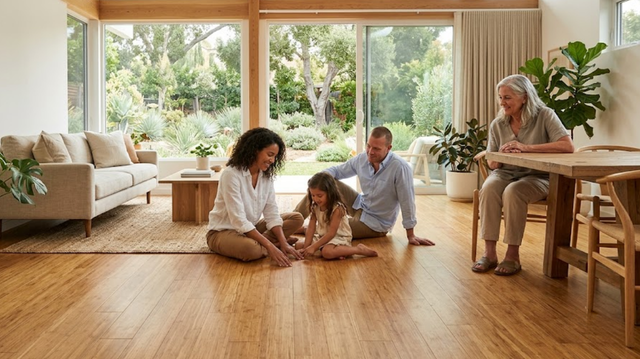
Bamboo is technically a fast-growing grass, not a tree. Because it matures in just three to five years (compared to decades for traditional hardwood), it is an incredibly renewable resource. Strand-woven bamboo is twice as hard as traditional oak, making it a stellar choice for busy living rooms and hallways.
2. Cork Flooring
Harvested entirely from the bark of the cork oak tree, this material is gathered without harming the tree itself, which naturally regenerates its bark over time. Cork is naturally antimicrobial, resists mold, and acts as an acoustic and thermal insulator—meaning it keeps your floors warmer and quieter underfoot.
3. Reclaimed Hardwood
If you love the timeless elegance of classic wood, reclaimed timber is the ultimate eco-luxury option. Sourced from old barns, historic structures, or retired shipping yards, reclaimed wood gives existing materials a second life. It adds immediate historic character, story, and grit to your home without requiring a single new tree to be harvested.
Choosing Your Material: A Quick Comparison
| Material | Best For | Standout Benefit |
|---|---|---|
| Bamboo | High-traffic areas, modern aesthetics | Incredible dent resistance |
| Cork | Kitchens, bedrooms, playrooms | Soft underfoot, excellent sound dampening |
| Reclaimed Wood | Rustic or industrial luxury homes | Unique historic character, completely recycled |
Step-by-Step: Planning Your Eco-Friendly Installation
Transitioning to green flooring requires careful planning to ensure the sustainability of the material isn't compromised during the actual assembly process.
1.Verify Eco-Certifications:
Selection Phase.
Look for independent, third-party seals of approval on your materials. For wood and bamboo, check for the Forest Stewardship Council (FSC) certification. For air safety, look for GreenGuard Gold or FloorScore certifications to ensure low chemical emissions.
2.Source Non-Toxic Adhesives and Finishes:
Preparation Phase.
The flooring itself might be green, but standard chemical glues can compromise your indoor air quality. Instruct your home service team to use only water-based, solvent-free, zero-VOC adhesives and sealants.
3.Partner with an Experienced Installation Team:
Execution Phase.
Schedule your professional home flooring installation. Materials like bamboo and cork expand and contract based on local humidity levels, meaning they require precise acclimation time inside your home before they are laid down. Partnering with professional contractors ensures your eco-investment lasts for decades.
Ready to Transform Your Home?
Opting for sustainable flooring means you don't have to sacrifice style for ethics. Modern eco-friendly manufacturing allows you to install gorgeous, durable, and healthy surfaces that protect your family today while preserving the planet for tomorrow.
If you are ready to explore how these beautiful materials can fit into your next home project, reach out to a trusted local home service provider to view material samples and map out your installation timeline.