
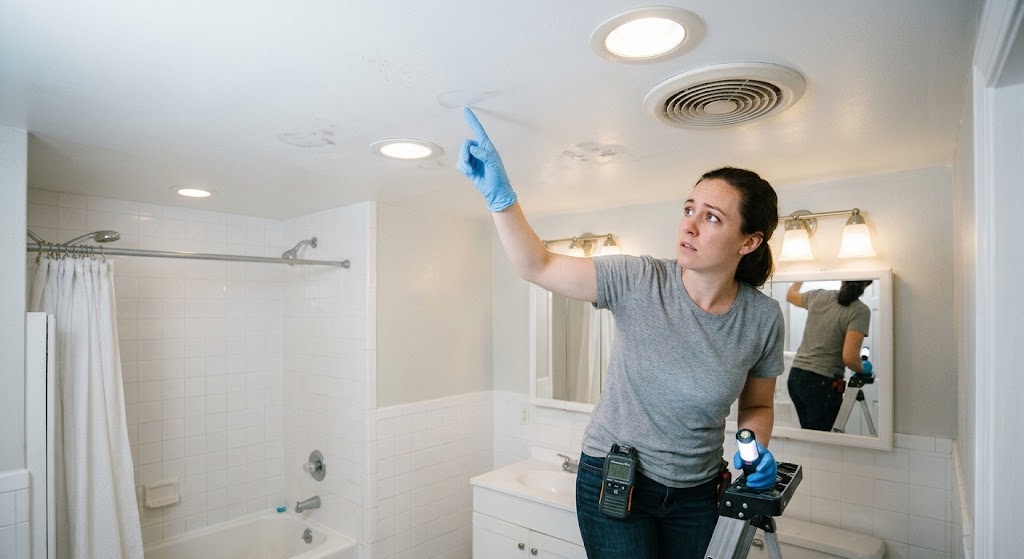
Why Is Mold Growing on My Bathroom Ceiling?
Oct/30/2026 66Why Is Mold Growing on My Bathroom Ceiling?
You walk into your bathroom, reach for the light switch, look up while waiting for the shower to warm up, and there it is: a cluster of unsightly black or dark green spots creeping across your ceiling.
It is a stomach-dropping moment for any homeowner. Your mind immediately races to worst-case scenarios: Is that toxic black mold? Is the roof leaking? Is my family breathing in dangerous spores? How much is this going to cost to fix?
If you are dealing with mold on your bathroom ceiling, take a deep breath. You are far from alone. Bathroom ceiling mold is one of the single most common home maintenance calls across California, from foggy coastal cities like San Francisco and San Diego to the high-humidity, high-heat summer climate of the Central Valley and Inland Empire.
The encouraging news is that bathroom ceiling mold is completely solvable. Whether it is caused by a simple ventilation bottleneck, an aging exhaust fan, hidden pipe condensation, or winter atmospheric river storms leaking through the roof framing, identifying the root cause is the first step toward reclaiming a safe, healthy, and clean home.
This comprehensive guide breaks down exactly why mold chooses your bathroom ceiling, how to differentiate between simple surface mildew and deeper structural issues, and how taking sixty seconds to request an online quote connects you with vetted, state-licensed local specialists who can restore your peace of mind.
Understanding the Problem: Why Your Bathroom Ceiling Is a Mold Magnet
To eliminate mold for good, it helps to understand what makes your bathroom ceiling its absolute favorite breeding ground.
Mold spores exist everywhere in the air outside and inside your home. They remain completely harmless until they land on a surface that offers three specific ingredients:
- Constant moisture (relative humidity above 60%)
- Warm ambient temperatures (60°F to 80°F)
- An organic food source (drywall paper, wood framing, paint binder, dust, and body oils)
Your bathroom ceiling naturally satisfies all three requirements every single time someone takes a hot shower or bath.
The Top Causes of Bathroom Ceiling Mold
1. Inadequate or Poorly Maintained Exhaust Ventilation
Hot steam naturally rises. When moisture cannot escape through a properly sized exhaust fan vented directly outdoors, it collects on the cool flat surface of the ceiling. Over time, trapped humidity turns into standing water micro-droplets that sink directly into porous drywall.
2. Temperature Deltas and Poor Insulation
During chilly California winters, uninsulated attic spaces directly above your bathroom ceiling create a dramatic thermal barrier. The cold ceiling drywall meets hot shower steam from below, creating constant condensation—much like a cold drink glass sweating on a summer afternoon.
3. Hidden Plumbing or Roof Leaks
If the mold pattern appears in a concentrated ring, isolated circle, or sagging area, the moisture may not be coming from room humidity at all. Water leaking from upstairs plumbing, a damaged roof tile, or faulty attic flashing often pool on top of the ceiling drywall, seeping downward and sprouting mold colonies.
4. Sealed Exterior Conditions & Modern Building Design
Energy-efficient homes built to California Title 24 standards are engineered to be tightly sealed against energy loss. While fantastic for cooling and heating bills, tight seals trap internal air humidity inside small rooms unless mechanical ventilation actively pulls it out.
The Hidden Risks of Ignoring Ceiling Mold
It can be tempting to wipe away ceiling mold with a damp towel and pretend it never happened. However, ignoring recurring growth leads to structural degradation and potential health concerns:
- Drywall Degradation: Mold breaks down organic material. Over time, drywall paper weakens, structural integrity breaks down, and wet ceilings begin sagging or crinkling, creating structural failure risks.
- Indoor Air Quality & Health Comfort: Inhaling airborne spores within a confined, humid room can trigger persistent nasal congestion, eye irritation, chronic throat coughing, asthma flare-ups, and skin irritation—especially in children and elderly family members.
- Paint Peeling and Dry Rot: Moisture trapped behind paint bladders causes bubbling and cracking. Once water breaches the drywall barrier, structural joists face wood rot risks that require extensive framing repairs.
Instant Answers to Common Homeowner Questions
How Much Does Professional Bathroom Mold Remediation Cost in California?
Professional bathroom mold remediation in California typically ranges between $500 and $2,500 for localized ceiling treatments. If the mold stems from extensive attic moisture, plumbing pipe failures, or damaged structural drywall, comprehensive remediation and restoration services can range from $1,500 to $4,500+. Obtaining a free local estimate provides transparent pricing tailored to your home.
When Should You Call a Professional for Mold on a Bathroom Ceiling?
You should call a licensed professional if the mold covers an area larger than 10 square feet (roughly 3 feet by 3 feet), recurs repeatedly after cleaning, smells distinctly musty, or is accompanied by soft, sagging drywall. Professionals are also necessary if household members suffer from respiratory vulnerabilities or allergies.
Is It Worth Repairing Mold on a Ceiling Yourself?
DIY cleaning works fine for small, superficial surface mildew on non-porous glossy paint caused by occasional steam buildup. However, if the mold has penetrated raw drywall, saturated insulation, or resulted from roof and plumbing leaks, professional remediation is required to kill deep root structures and fix underlying ventilation or structural issues permanently.
DIY Cleaning vs. Professional Remediation: Making the Right Choice
When mold appears, every homeowner faces the same dilemma: Can I fix this myself with store-bought cleaners, or do I need a licensed professional?
When DIY Is Safe and Feasible
A DIY approach is generally acceptable under very specific, controlled circumstances:
- The affected area is smaller than 10 square feet (about 3 feet by 3 feet).
- The mold is purely on the surface of intact, semi-gloss or high-gloss paint.
- The drywall beneath feels completely firm, smooth, and structural (no soft spots, bulges, or flaking).
- The room has open windows or working ventilation for safe cleanup handling.
Safe DIY Surface Removal Steps:
- Safety First: Wear safety goggles, N95 respiratory protection, and rubber gloves.
- Prepare Solution: Avoid mixing straight chlorine bleach with organic ceiling paints as it can weaken drywall surfaces and produce harsh fumes. Instead, use a specialized mold-killing solution or a mixture of warm water and detergent.
- Wipe Gently: Use a soft microfiber cloth or sponge to gently scrub away surface spores without scrubbing off the ceiling paint layer.
- Dry Thoroughly: Run a portable dehumidifier or leave exhaust fans running until the ceiling is 100% dry to the touch.
When to Call a Licensed Professional Immediately
Certain situations pose severe health or structural hazards if handled without industrial equipment and specialized containment:
- Large Surface Area: Spores covering areas larger than 10 square feet spread easily throughout HVAC ductwork if disturbed improperly.
- Soft, Spongy, or Sagging Drywall: Soft drywall indicates water saturated deep inside the ceiling core, likely involving wet attic insulation or active plumbing leaks overhead.
- Musty Odor After Cleaning: Persistent odors mean active mold colonies continue thriving inside wall cavities or attic floorings out of sight.
- Bubbling, Peeling, or Cracking Paint Layers: Paint bladders indicate moisture pushing outward from within the ceiling, meaning surface scrubbing will not address the source.
- Health Sensitivities: If members of your household experience chronic asthma, environmental allergies, or respiratory conditions, self-cleaning risks dangerous airborne exposure.
Navigating Costs, Scope, and Repairs in California
Understanding what goes into an accurate repair estimate removes the stress of unexpected financial surprises. Professional remediation and repair costs vary based on several key environmental and physical factors.
Key Factors Influencing Your Repair Estimate
1. Scope and Square Footage
Small surface cleaning costs significantly less than full structural restoration. If mold has penetrated deep into ceiling joists or drywall boards, affected sections must be safely cut away, removed under negative pressure, replaced, taped, mudded, textured, and repainted.
2. Moisture Source Repair
Remediating ceiling mold without fixing the original moisture source means the mold will inevitably return. Your estimate may include complementary trade work, such as:
- Upgrading or replacing an underpowered bathroom exhaust fan ($250 – $600)
- Repairing minor roof tile or flashing leaks ($350 – $1,200)
- Fixing upper-floor bathroom plumbing joints or shower pan leaks ($300 – $1,500)
3. Specialty Equipment and Air Scrubbing
Licensed remediation contractors utilize commercial HEPA (High-Efficiency Particulate Air) filtration units, negative air machines, moisture meters, thermal imaging cameras, and EPA-registered anti-microbial treatments to guarantee spores are contained and eliminated safely.
4. Regional California Labor and Permitting Costs
Labor rates reflect California’s rigorous licensing regulations, worker safety requirements, and insurance mandates. If major drywall replacement or structural modification is needed, municipal permit fees ensure all repairs comply with California Building Code standards.
How Online Quote Forms Simplify Finding the Right Local Professional
Searching endlessly online, leaving voice messages with non-responsive contractors, and guessing whether a technician is licensed or qualified can feel overwhelming. Requesting an online quote streamlines the entire process, putting you in complete control.
The Benefits of Submitting a Quick Inquiry Form
1. Save Hours of Frustrating Research
Instead of making dozens of phone calls, a simple 60-second online form matches your specific repair details directly with available, active service professionals serving your exact local California ZIP code.
2. Connect with Vetted, Licensed Contractors
California strictly regulates home improvement trades through the Contractors State License Board (CSLB). Submitting an inquiry helps connect you with properly licensed, background-checked, and insured contractors who understand state codes, Title 24 compliance, and local environmental conditions.
3. Low-Pressure, No-Obligation Comparison
Obtaining quotes through an online form puts zero obligation on you to commit immediately. You receive transparent estimates, review feedback, compare pricing, and make informed choices on your own timeline without pressure.
4. Faster Response Times for Urgent Issues
Moisture issues escalate quickly. Online form systems immediately route your details to local pros actively looking for projects, resulting in faster callback times so you can resolve ceiling issues before damage worsens.
Crucial Questions to Ask When Your Matched Contractor Calls
When a matched professional contacts you to schedule an inspection or provide an estimate, ask these essential questions to ensure complete confidence in your choice:
-
"Are you licensed by the CSLB, and do you carry general liability and workers' compensation insurance?"
Why it matters: Protects you from legal liability and guarantees the contractor meets strict California trade standards.
-
"Do you use thermal imaging or moisture meters during your assessment?"
Why it matters: Ensures the technician locates hidden moisture trapped behind drywall or inside attic spaces, not just obvious surface growth.
-
"Does your quote include both mold elimination and underlying root cause repair?"
Why it matters: Guarantees clear scope clarity so you aren't left with an eliminated mold patch that immediately returns due to an unaddressed fan failure or pipe leak.
-
"What containment measures do you set up to protect the rest of my home during cleanup?"
Why it matters: Proper containment using plastic sheeting and negative air pressure prevents mold spores from spreading into bedrooms, hallways, or HVAC systems.
-
"Do you offer a warranty or guarantee on your remediation and repair work?"
Why it matters: Provides long-term peace of mind that the issue is permanently solved.
Frequently Asked Questions (FAQ)
Can I just paint over mold on my bathroom ceiling with primer?
No. Painting over active mold with regular paint or primer will not kill the underlying spores. Mold easily eats through paint layers, causing peeling, bubbling, and rapid regrowth within weeks. The underlying moisture source must be resolved, and the mold must be properly treated or removed before applying stain-blocking, mold-resistant primer and paint.
What type of paint prevents mold on bathroom ceilings?
Use high-quality interior paints specifically formulated for high-humidity environments, such as semi-gloss or satin finishes infused with EPA-registered antimicrobial agents. High-gloss and semi-gloss finishes create a smooth, non-porous moisture barrier that allows water droplets to run off cleanly rather than soak into drywall.
Is mold on a bathroom ceiling covered by California homeowners insurance?
Coverage depends entirely on the root cause of the moisture. Standard California homeowners policies generally cover remediation if the mold stems from a sudden, accidental water failure—such as a burst pipe or sudden plumbing line break. Mold resulting from long-term deferred maintenance, poor ventilation, or gradual roof leaks is typically excluded. A licensed contractor can provide clear documentation for your claim.
How do atmospheric rivers and heavy rain cause ceiling mold in California?
Atmospheric rivers dump massive volumes of rain over short periods, testing roof flashing, tile alignments, and chimney seals. Minor roof defects that stay dry during sunny weather can let substantial water leak into attic insulation during heavy storms. This trapped water drips onto upper-floor bathroom ceilings, fueling rapid mold growth within 24 to 48 hours.
Does upgrading my bathroom exhaust fan really stop mold growth?
Yes! Replacing an old, clogged, or underpowered fan with a modern ENERGY STAR® fan sized properly for your room's square footage quickly clears steam, keeping relative humidity levels low and stopping condensation before mold spores can germinate.
Get Your Free, No-Obligation Repair Quote Today
You do not have to live with unsightly mold or worry about hidden water damage compromising your bathroom ceiling. Resolving mold issues starts with getting clear, honest information from trusted local experts who know how to solve the problem permanently.
Taking action today protects your property's value, preserves your home's structural integrity, and ensures clean air for your entire family.
Get Connected with Vetted California Home Service Pros in 60 Seconds!
Ready to get your bathroom ceiling back to pristine, healthy condition? Fill out our simple online form below to connect with top-rated, licensed, and background-checked local specialists in your area.
Why Request Your Quote With Us?
- Quick & Simple: Complete the inquiry form in under one minute.
- 100% Free & No Obligation: Review estimates on your own schedule without pressure.
- Pre-Vetted Local Specialists: Connect directly with licensed, insured California contractors who specialize in mold remediation, drywall repair, and moisture control.
Don't wait for minor ceiling mold to turn into costly structural damage. Submit your quote request now and take the first step toward a clean, safe, and healthy home!
Please visit us here to find Find top-rated service pros for your project or call us at 1 (888) 646-7358!