Top Signs It's Time for Home Window Replacement (And What It Costs)
Aug/02/2026 323Top Signs It's Time for Home Window Replacement (And What It Costs)
Your home’s windows do a lot of heavy lifting. They let in warm sunlight, keep out cold winter drafts, protect your house from rain, and help keep your family safe. But like everything else in a house, windows do not last forever. Most standard home windows last between 15 and 20 years. After that, they start to show their age.
Do you notice cold air sneaking into your living room during winter? Are your energy bills going up every single month? Do your window panes look foggy even after you clean them? If so, you are not alone. Millions of homeowners face these exact same problems every year.
When windows grow old, they stop protecting your home. Old windows let your paid heating and cooling leak straight outside. They can also let moisture inside your walls, which can cause costly wood rot and mold. Deciding on a home window replacement project is one of the biggest home improvement choices you can make. It can feel scary because of the cost, but replacing old windows is also one of the best ways to upgrade your home’s comfort, appearance, and value.
In this complete guide, we will walk you through everything you need to know in plain, simple English. We will cover the main window replacement signs, what causes window glass condensation, how much it costs, why energy efficient windows are worth the money, and how to hire a window contractor with complete confidence. By the end of this article, you will know exactly when to get new windows and how to take the next step.
1. The Top 8 Window Replacement Signs to Look For
How do you know if your windows just need a small repair or if they need to be replaced completely? Here are the eight most common signs that tell you it is time for new windows.
1. You Feel Drafts Standing Near Your Windows
If you stand near a window on a cold or windy day, do you feel a chill? You should not feel air moving when your windows are closed tightly. Drafts mean the weatherstripping around your window has worn out or the window frame has warped. When air sneaks in, your furnace or air conditioner has to work twice as hard to keep your house comfortable.
2. Your Energy Bills Are Creeping Up
Have your electric or gas bills slowly increased even though your habits have not changed? Leaky windows are often the hidden culprit. According to energy experts, drafty windows can cause 25% to 30% of your home’s total heating and cooling loss. Replacing leaky glass with new units keeps treated air inside where it belongs.
3. Windows Are Difficult to Open, Close, or Lock
Your windows should slide open easily and shut smoothly. If you have to fight with a window to force it open, or if you need a heavy wooden stick to keep it propped up, something is wrong. Windows swell and warp over time due to humidity and temperature changes. When frames warp, locks stop lining up. This is not just annoying; it is also a safety hazard in case of an emergency escape.
4. You Notice Window Glass Condensation Between Panes
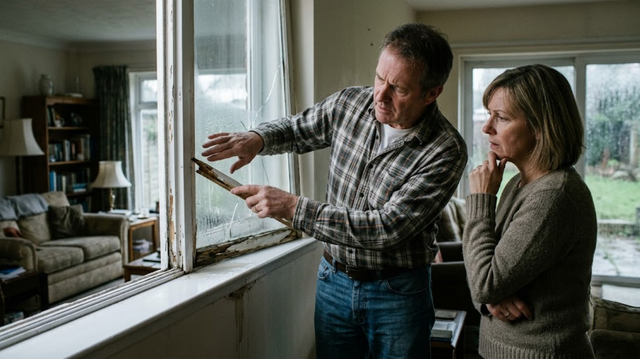
It is normal for moisture to form on the inside of a window pane during a cold morning when you boil water or take a hot shower. But if you see fog, water droplets, or film trapped between two panes of glass, you are looking at broken window seals. Once a seal breaks, the insulating gas inside leaks out, and moisture gets trapped inside forever. You cannot wipe this moisture off because it is inside the glass unit.
5. You Hear Every Outside Noise
If you can hear your neighbor's lawnmower as if it were in your own living room, your windows are not insulating your home properly. Double-pane modern windows absorb sound waves and keep your indoor space quiet and calm compared to single-pane or outdated double-pane models.
6. Visible Frame Decay, Water Damage, or Rot
Take a close look at your wooden window frames. Is the wood soft to the touch? Is paint peeling away? Are there soft spots, dark mold spots, or crumbling wood? Moisture damage on frames is serious. Left untreated, water can leak inside your home’s wall framing, causing major structural rot and dangerous mold growth.
7. Your Furniture or Flooring Is Fading
Does your couch or hardwood floor look lighter in the spots right in front of your window? That is caused by harmful ultraviolet (UV) sun rays. Older window glass lets UV rays shine directly through. Modern windows have special Low-E glass coatings that block UV rays without blocking natural sunlight.
8. Your Home Still Has Single-Pane Windows
If your home was built decades ago and still has original single-pane glass, replacing them is a no-brainer. Single-pane windows offer almost no insulation against heat or cold. Upgrading to modern double-pane or triple-pane windows will instantly transform how your home feels.
2. Understanding Window Glass Condensation and Broken Window Seals
One of the most confusing things for homeowners is moisture on window glass. Let’s break down what window glass condensation means so you know when to worry and when not to worry.
Outside Condensation (Normal)
If you wake up on a warm summer morning and see moisture on the outside surface of your glass, do not worry! This happens when the outside glass temperature drops below the outdoor dew point. It means your windows are actually doing a great job keeping indoor heat from leaking out.
Inside Condensation (Manageable)
If moisture forms on the inside surface of your window inside your room, this usually means humidity inside your house is high. Cooking, running the dishwasher, or taking long hot showers causes indoor humidity. You can fix this by turning on exhaust fans, opening a window slightly, or running a dehumidifier.
Condensation Between the Panes (Definite Sign of Failure)
When fog or water droplets appear in the middle space between two panes of glass, you have broken window seals. Modern double-pane and triple-pane windows use a tight seal around the edges to trap non-toxic inert gas (like argon or krypton) between the panes. This gas acts as a thermal barrier.
When the seal ages, cracks, or fails, the gas escapes and normal moist air rushes in. Once moisture gets trapped inside, it ruins the thermal insulation of the window. Cleaning the glass will not fix it. While some companies offer glass defogging services, replacing the glass unit or the whole window is the only permanent solution to restore your home’s energy performance.
3. Why Invest in Energy Efficient Windows?
When exploring options for a home window replacement project, you will hear a lot about energy efficient windows. But what makes a window energy efficient, and why are they worth your hard-earned money?
How Energy Efficient Windows Work
Modern energy efficient windows use smart design features to stop heat transfer:
- Multiple Glass Panes: Two or three layers of glass create air pockets that slow heat movement.
- Argon or Krypton Gas Fills: Safe, invisible gas sealed between glass layers provides much higher insulation than normal air.
- Low-E (Low-Emissivity) Glass Coatings: Microscopic metallic coatings reflect heat back toward its source. In summer, Low-E bounces outdoor heat away. In winter, it holds indoor heat inside.
- Insulated Warm-Edge Spacers: Advanced materials that hold glass panes apart while preventing heat from leaking around the glass edges.
- Vinyl, Composite, or Fiberglass Frames: High-quality frame materials that do not transfer cold or heat like old metal frames do.
Key Energy Metrics to Know
When comparing window options, check the ENERGY STAR label for two important ratings:
- U-Factor: Measures how well the window keeps heat from escaping. Lower numbers (like 0.20 to 0.30) mean better insulation.
- Solar Heat Gain Coefficient (SHGC): Measures how well the window blocks heat from the sun. Lower numbers (like 0.20 to 0.25) mean less solar heat enters your home.
The Real Benefits to You
Investing in energy efficient windows gives you clear returns:
- Lower Utility Bills: Save up to 12% to 15% on your monthly heating and cooling costs.
- Consistent Comfort: Say goodbye to cold spots in winter and hot rooms in summer.
- HVAC Protection: Your heater and air conditioner will run less often, lasting longer and needing fewer repairs.
- Environmental Impact: Lower energy consumption reduces your household’s carbon footprint.
4. What Is the Real Cost to Replace Windows?
Understanding the cost to replace windows is crucial before you talk to contractors. Window replacement pricing depends on several key factors, so let’s look at average costs and what drives prices up or down.
Average Cost Breakdowns
On average, replacing a single standard double-hung window costs between $450 and $1,200, including materials and labor. For an average three-bedroom home with 10 to 15 windows, a full house replacement usually runs between $6,500 and $18,000.
| Window Material | Average Cost Per Window (Installed) | Best For |
|---|---|---|
| Vinyl | $400 – $800 | Affordable, low maintenance, excellent energy savings |
| Wood | $800 – $1,800 | Classic beauty, historic homes, natural warmth |
| Fiberglass | $700 – $1,500 | Extreme durability, modern look, low expansion |
| Aluminum / Composite | $500 – $1,200 | Sleek design, strong frames, low upkeep |
Main Factors Affecting Your Total Cost
Several choices will impact your final quote:
- Frame Material: Vinyl is the most budget-friendly and popular. Wood offers timeless charm but costs more and needs painting or staining. Fiberglass is durable and long-lasting but carries a premium price tag.
- Window Style: Simple single-hung or double-hung windows are very affordable. Casement, sliding, picture, bay, or bow windows cost more due to complex hardware and custom glass sizes.
- Glass Package: Standard double-pane glass is affordable. Adding Low-E coatings, argon gas, or triple-pane glass increases upfront cost by 10% to 25%, but saves more money on energy over time.
- Full-Frame vs. Pocket Replacement:
- Pocket Installation: Slipping a new window frame inside your existing opening. Faster and less expensive.
- Full-Frame Installation: Removing complete old frames, trim, and casing down to the wall studs. Required if existing frames have rot or structural damage.
- Labor and Installation Local Costs: Labor typically makes up 30% to 50% of the total project quote. Local labor rates and difficult installations (like second-story windows) will affect final costs.
5. When to Get New Windows: Timing Your Project Right
Knowing when to get new windows helps you budget properly and schedule installation smoothly. Here is what you need to consider about timing.
Best Season for Window Replacement
Many homeowners assume window replacement can only happen in warm spring or summer weather. While spring and autumn offer mild temperatures, professional window installation teams work year-round!
- Spring & Summer: Most popular seasons. Schedules fill up quickly, so book early.
- Autumn: Ideal temperatures for caulk and sealant curing. Great weather before winter cold hits.
- Winter: Often offers off-peak discounts and faster installation scheduling. Professional crews replace one window at a time to minimize heat loss in your home.
Repair vs. Replace Checklist
Not sure if you need a full replacement? Use this quick checklist:
- Repair If: The glass is intact, the wood frame is healthy, but the paint is flaking or hardware (like a latch or crank) is broken. Replacing simple hardware or applying new caulk is cheap and fast.
- Replace If: You have rotten frames, foggy glass caused by broken window seals, high drafts, or single-pane glass. In these cases, minor repairs will not fix the root problems.
6. Why Professional Window Installation Is Essential
You can buy the most expensive, top-rated energy efficient windows on the market, but if they are installed incorrectly, they will underperform, leak air, and let in water.
The Danger of DIY Window Replacement
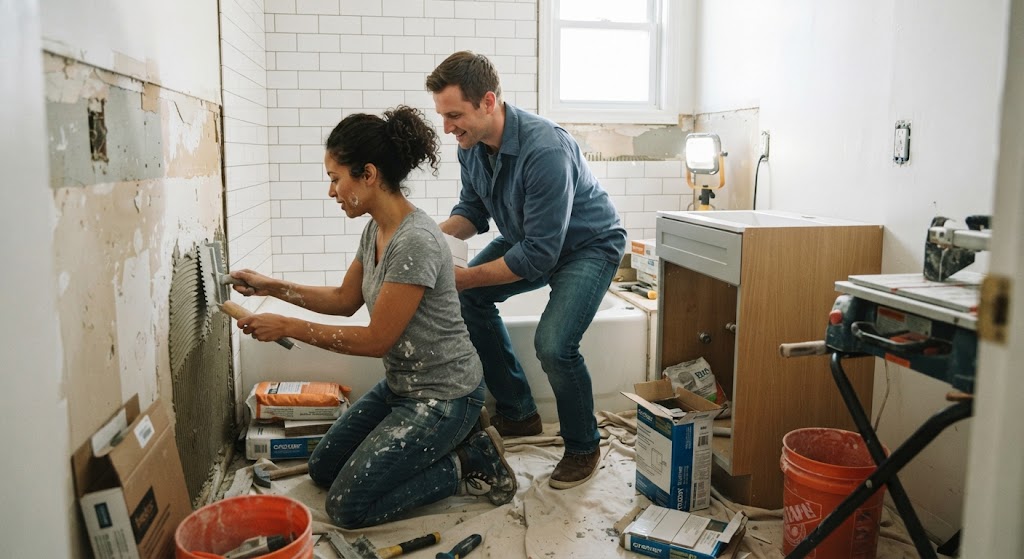
Installing windows requires exact measurements, level positioning, proper flashing, waterproofing tape, and insulated expanding foam. A gap as thin as a dime can leak air and water inside your wall space. Common DIY mistakes include:
- Improper insulation around frame gaps.
- Incorrect flashing that traps water against home siding.
- Out-of-plumb installation that makes sashes stick or jam.
- Accidental damage to exterior home siding or interior drywall.
Why You Need Professional Window Installation
Working with experienced pros brings huge advantages:
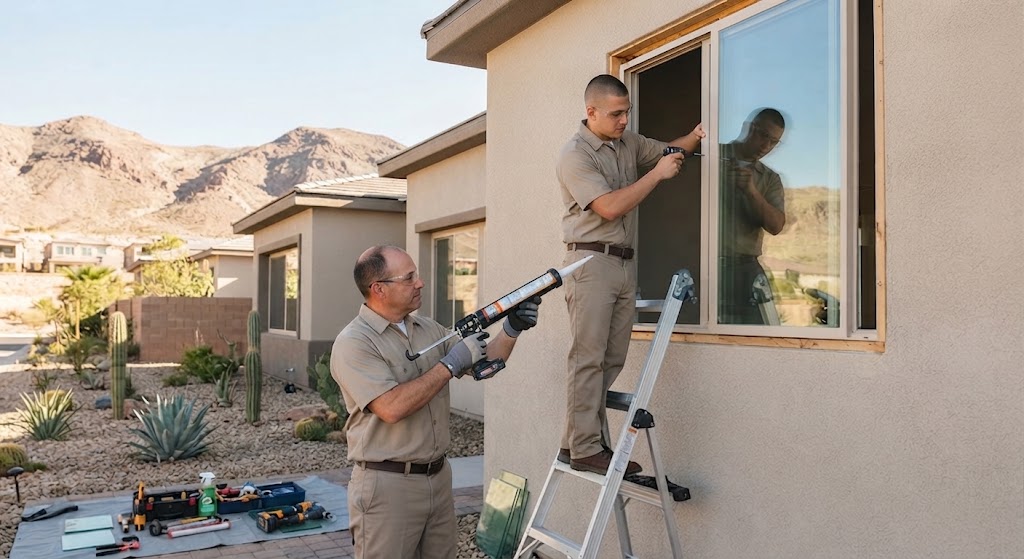
- Flawless Weatherproofing: Professional installers seal every edge with commercial-grade flashing, insulation, and silicone sealant to keep wind and rain out.
- Protected Manufacturer Warranties: Most window manufacturers explicitly void their warranties if products are installed improperly by unlicensed individuals. Professional installation protects your warranty investment.
- Building Code Compliance: Experienced contractors know local building codes, safety glass regulations, and emergency egress requirements.
- Speed and Cleanliness: A skilled crew can replace all windows in an average home in just 1 to 2 days, disposing of old windows safely.
7. How to Hire a Window Contractor: A Step-by-Step Guide
Ready to move forward? Taking time to carefully hire a window contractor ensures your project goes smoothly without unexpected delays or hidden charges. Follow these practical steps:
Step 1: Get at Least 3 Written Estimates
Never sign with the first contractor who knocks on your door or gives a quote. Reach out to three local licensed window companies. Ask for detailed, written estimates that clearly separate material costs, labor fees, permit costs, and old window disposal fees.
Step 2: Check Credentials and Insurance
Verify that any contractor you hire holds:
- An active state contractor’s license.
- General liability insurance (to protect your property against damage).
- Workers' compensation insurance (to protect you if a worker gets injured on your property).
Step 3: Ask the Right Questions
Before signing a contract, ask these critical questions:
- "How long have you been installing windows in this local area?"
- "Are your installers full-time employees or subcontractors?"
- "What window brands do you recommend for my budget and why?"
- "What work warranty do you offer on labor beyond the manufacturer's glass warranty?"
- "How long will the entire installation take from order to completion?"
Step 4: Read Reviews and Check Recent References
Look up contractor reviews on Google, Google Maps, and local review sites. Ask the contractor for 2 or 3 recent client references in your local area. Call those past clients and ask if the crew was punctual, clean, and honest about pricing.
Step 5: Review the Contract Carefully
Ensure your written contract includes brand names, exact window sizes, window series numbers, glass options (like Low-E or Argon), completion dates, payment schedules, and warranty coverage details. Never pay 100% upfront; standard deposits range from 10% to 30% down.
8. Conclusion: Ready to Upgrade Your Home?
Replacing old, leaky, or foggy windows is one of the smartest investments you can make in your home. You will enjoy a quieter, warmer, and more comfortable living space every day, while saving money on monthly energy costs for years to come.
Now that you know the key window replacement signs, how to identify broken window seals, what affects the cost to replace windows, and how to evaluate energy efficient windows, you have all the knowledge needed to take action.
Talk to vetted contractor in your area today here or dial +1 (888) 646-7358
Get started now and take the first step toward protecting your home.