Does Solar Increase Home Value? What Homeowners Should Know
Nov/12/2026 63Does Solar Increase Home Value? What Homeowners Should Know
Home improvement is expensive, confusing, and stressful.
Whether you want to put solar panels on your roof, upgrade your kitchen, or replace an aging roof, one big worry keeps you awake at night: Am I overpaying for this project?
The short answer is: you probably are.
Many homeowners pay 20% to 30% more than necessary simply because they make one simple mistake—they do not compare quotes from multiple vetted local contractors.
When you skip comparing options, you trust a single estimate. You might fall for pitchmen with fancy sales presentations, inflated pricing, or hidden extra fees. Even worse, you might hire someone who installs low-quality equipment that fails to deliver long-term equity.
Take rooftop solar energy, for instance. Homeowners frequently ask, "Does solar increase home value?"
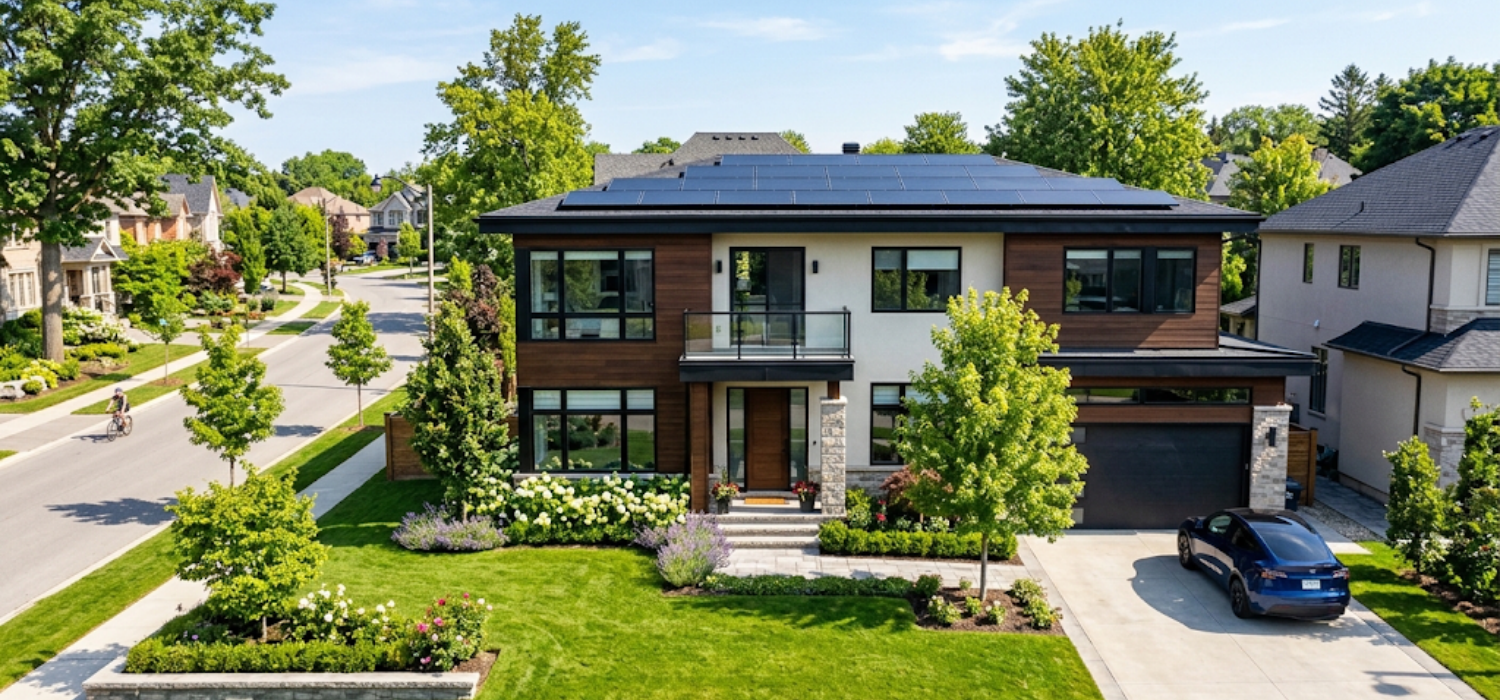
The answer is yes. National real estate data from Zillow and the National Renewable Energy Laboratory shows that solar panels increase a home's equity by an average of 4.1%. On a $400,000 home, that adds roughly $16,400 in immediate value while dramatically slashing monthly electric bills.
However, if you pay $10,000 above market price because you hired an out-of-state installer with hidden markup fees, your return on investment vanishes.
Upgrading your home should build your wealth, not deplete your savings. If you plan to hire a contractor soon, you must know how to spot pricing red flags before signing a contract.
The 7 Red Flags You’re Overpaying for Your Remodel
Spotting a dishonest or overpriced contractor is easy once you know what to look for. Here are seven red flags that prove you are about to pay way too much.
Red Flag #1: No Local References or Out-of-State Installers
Hiring a contractor who travels from another state is a recipe for disaster. For example, hiring an out-of-state company from New Jersey or Massachusetts for a home project in your local town creates major service delays.
Out-of-state crews often lack relationships with local building inspectors. They struggle with regional permitting offices and rarely return if something breaks post-installation. Local contractors live and work near you. Their local reputation depends on fair pricing, honest communication, and fast follow-up care.
Red Flag #2: Vague "Ballpark" Estimates That Lead to Budget Creep
If a contractor hands you a quick quote written on a napkin or listed in a brief email, turn around and walk away.
Vague estimates are a primary cause of "budget creep." A dishonest contractor gives you a low upfront number to land the job. Then, midway through construction, they hit you with continuous "change orders." Suddenly, fees for permits, equipment delivery, or trash haul-away show up as surprising add-ons.
A fair quote breaks down every line item: labor, material grades, permitting fees, and cleanup costs.
Red Flag #3: Missing Vertical-Specific Certifications
A general handyman cannot properly install a solar array or a 30-year architectural roof. Every specialized remodel project requires industry-specific credentials.
• For Roofing: Ensure your contractor holds elite manufacturer certifications, such as a GAF Master Elite designation. Certified roofers can offer backed system warranties that uncertified crews cannot.
• For Solar Installations: Look for NABCEP certification (North American Board of Certified Energy Practitioners). This certification ensures your installer understands structural roof mechanics and grid tie-in electrical standards.
Hiring uncertified workers risks code violations, voided warranties, and costly structural repairs later on.
Red Flag #4: Pressure to Sign a Contract on Day One
"This price is only good for today."
High-pressure sales tactics are designed to keep you from checking competitive prices in your local area. Quality contractors respect that a home remodel is a major financial decision. They give you a written proposal, encourage you to verify their credentials, and allow you to compare their rates with other qualified local pros.
Red Flag #5: Massive Upfront Cash Payment Demands
Be careful if a contractor asks for 50% or more in cash before bringing materials to your house. Reputable local installers work with milestone-based payment schedules.
You pay a small initial deposit, make progress payments as work gets completed, and issue the final payment only after inspecting and approving the finished installation.
Red Flag #6: Pushing Leased Solar Equipment Instead of Ownership
When researching if solar increases home value, ownership model matters immensely.
Owned solar systems (purchased via cash or a low-interest solar loan) add 4% or more to your total home value. The equipment belongs to you, and the value transfers directly to your home equity.
Leased solar systems or Power Purchase Agreements (PPAs), on the other hand, do not belong to you. The solar company owns the panels. A leased system can complicate your home sale because home buyers must qualify for and take over your monthly lease contract. If a contractor tries to force a lease on you without explaining the equity advantages of owning, they are looking out for their commission, not your home value.
Red Flag #7: Ignoring Local Utility Rates and Tax Incentives
A great contractor designs a system based on your exact utility billing structure and regional incentives.
If a contractor gives you a copy-paste quote without reading your utility bills or reviewing regional solar rebates, you will overpay.
Maximizing ROI Across Home Renovations
Smart home improvements upgrade your daily living while building long-term equity. Here is how the top three renovation categories stack up for home value.
Roofing Upgrades: Protect Your Equity Foundation
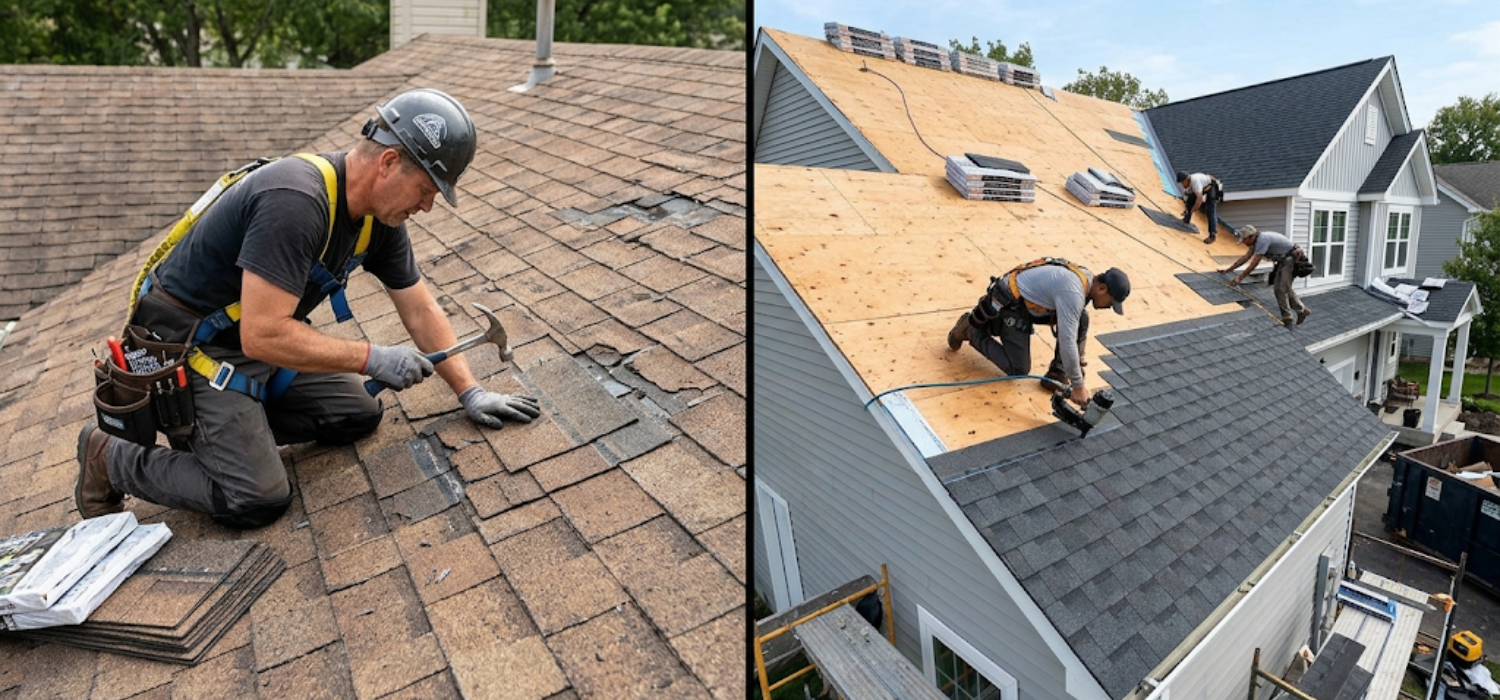
Your roof is your house’s first defense against weather damage. Trying to sell a home with a 20-year-old roof creates friction during home inspections. Buyers ask for thousands of dollars in price concessions, or their bank denies mortgage approval altogether.
Replacing an old roof before it leaks protects your underlying structure and offers peace of mind. Installing a new roof right before adding rooftop solar ensures you will not have to detach and reinstall solar panels for a roof replacement a few years down the road.
Kitchen & Bath Remodels: The Highest Indoor Resale ROI
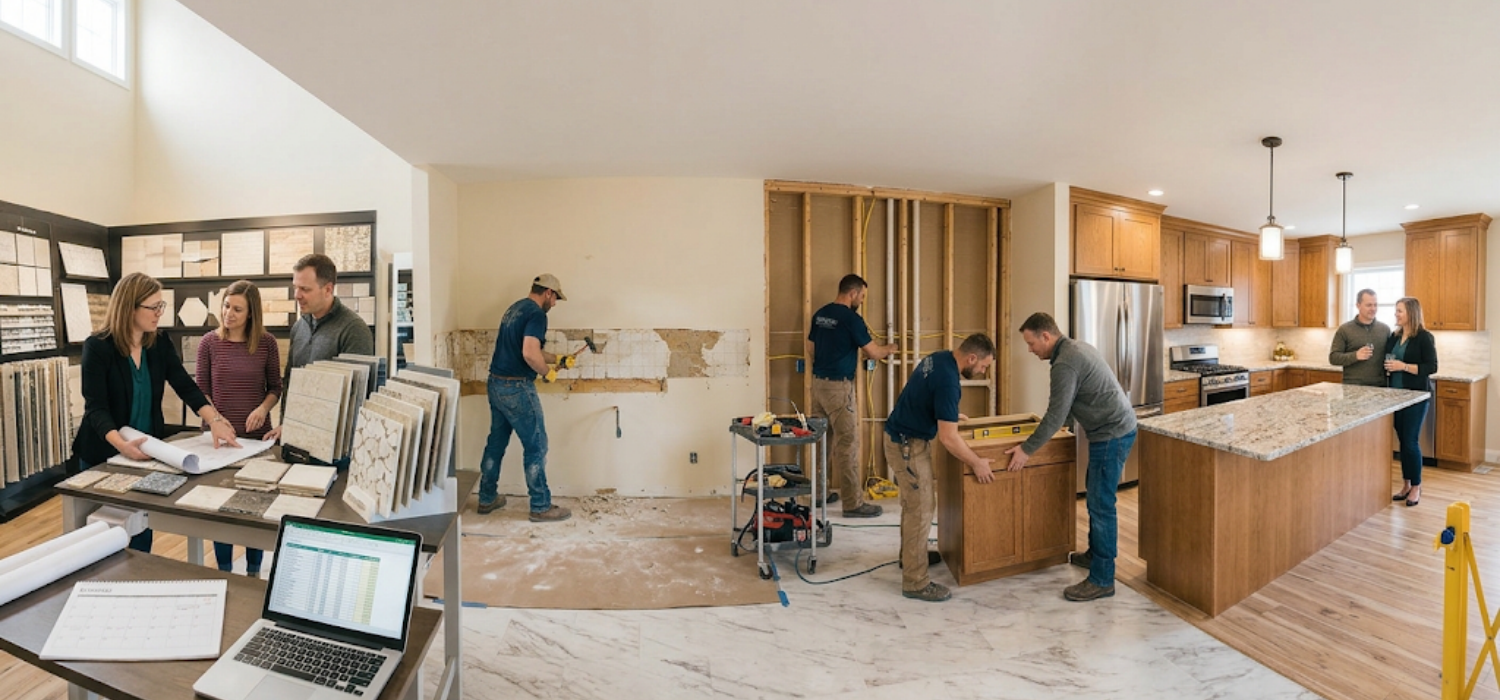
Kitchen and bathroom updates consistently deliver the highest return on investment for indoor home projects. Modernizing counter surfaces, upgrading cabinet storage, and installing energy-efficient plumbing fixtures yield returns between 70% and 80% of project costs upon resale.
Pairing energy-efficient kitchen appliances with home clean-energy systems drops your monthly electric costs while creating an attractive, modern interior.
Solar Systems: Clean Energy and Equity (Special NJ & MA Focus)
Does solar increase home value? Real estate statistics prove that buyers willingly pay a premium for houses with low monthly power bills.
Studies show that home buyers pay an extra $4,000 for every kilowatt of installed solar capacity. An 8 kW owned solar panel system can boost home resale value by $20,000 to $32,000 depending on regional power prices.
Electricity rates are climbing steadily, especially in northeastern states like New Jersey and Massachusetts. Because regional utility pricing keeps rising, home energy production becomes more valuable every year.
State-specific solar incentives, net metering programs, and Solar Renewable Energy Certificates (SRECs) make New Jersey and Massachusetts top regions for rooftop solar upgrades. Homeowners who own their systems enjoy lower monthly bills today and collect higher home equity when they decide to sell.
How to Get the Best Local Quote
Avoiding overpriced contractors requires a clear plan. Follow these four steps before hiring any home improvement crew.
-
Define Your Exact Scope of Work: Decide what you want built or upgraded before calling anyone. Knowing your goals keeps contractors focused on your needs.
-
Collect Itemized Quotes: Request detailed price breakdowns from at least three licensed contractors. Compare material costs, labor rates, and project timelines side-by-side.
-
Verify Licenses and Insurance: Check that every contractor carries active general liability insurance and workers' compensation coverage. Confirm that their specialty licenses (like electrical or roofing credentials) are active in your state.
-
Use Vetted Local Networks: Instead of spending hours hunting for reliable tradespeople, use a vetted contractor network. Vetting networks verify insurance, check licenses, and filter out overpriced outfits before contractors contact you.
5. Ready to Upgrade Your Home Without Overpaying?
Don't guess your project cost. Our 101-point contractor network vets the best local pros so you don't have to.
Get matched with certified, top-rated local pros and save thousands on your project.