
What California Homeowners Must Know Before Hiring the Best Local Roofing Contractors
Aug/07/2026 537What California Homeowners Must Know Before Hiring the Best Local Roofing Contractors
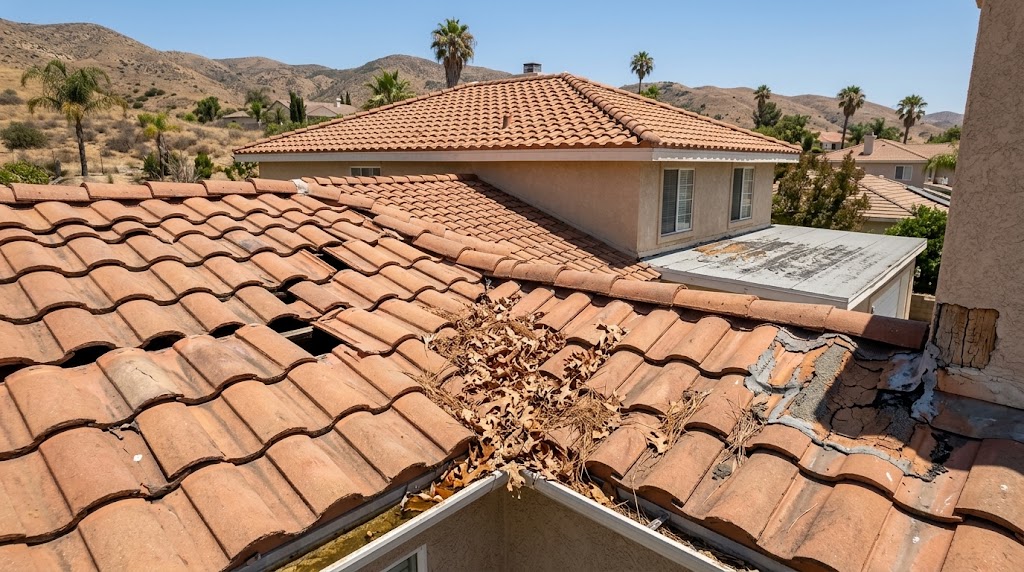
A damaged or aging roof is not something you can afford to put off. Whether you are dealing with a active water leak after a sudden storm, noticeable sagging along your ridgeline, missing asphalt shingles, or a system that has simply reached the end of its 20-to-30-year lifespan, taking action quickly is essential. Leaving a roof issue unchecked can quickly lead to hidden attic mold, rotted structural framing, destroyed insulation, and thousands of dollars in avoidable interior repairs.
When you start searching for the best roofing contractors near me or looking for the best roofing contractors in my area, the sheer volume of choices can feel overwhelming. Dozens of companies will claim to offer the lowest prices, the fastest turnarounds, and the highest quality. However, a roof replacement is one of the largest financial investments you will ever make in your home. Hiring the wrong company can lead to poor workmanship, voided material warranties, major budget overruns, and severe legal liability if an uninsured worker gets hurt on your property.
If you are at the stage where you are actively looking to hire, book consultations, and sign a contract, this comprehensive guide will give you everything you need to know. Below, you will learn how to verify credentials, evaluate written estimates, ask the right technical questions, and select the best local roofing contractors California has to offer.
1. What Makes a Top-Tier Local Roofing Contractor?
Not all construction companies are created equal. When you are paying for a complete tear-off and installation, you need a specialized roofing company rather than a general handyperson. High-performing local roofers stand out in four key areas:
Active State Licensing
In California, any contractor performing roofing work where the total value of labor and materials exceeds $500 must hold an active C-39 Roofing Contractor License issued by the California Contractors State License Board (CSLB). A general B-License contractor can oversee full building builds, but specialty roofing work should be backed by a dedicated C-39 holder who has passed rigorous trade and law examinations.
Full Comprehensive Insurance Coverage
Roofing is high-risk work. A reputable contractor carries two non-negotiable types of insurance:
- General Liability Insurance: Protects your home, landscaping, and personal property from accidental damage during construction.
- Workers' Compensation Insurance: Covers medical bills and lost wages if a crew member falls or suffers an injury on your property. Never hire a contractor who cannot provide a direct certificate of insurance naming you or proving active coverage. If an uninsured worker falls off your roof, your home insurance policy could end up taking the financial hit.
Physical Local Presence
Fly-by-night operations and out-of-state "storm chasers" frequently travel into regions after severe weather events, collect heavy upfront deposits, execute hasty work, and disappear. Choosing established best local roofing contractors ensures that the company maintains an actual physical office, local staff, and deep roots in your community. If a issue arises 3 years after installation, a local business will still be there to honor their labor warranty.
Direct Manufacturer Certifications
Leading roofing material manufacturers—such as GAF, Owens Corning, and CertainTeed—run strict certification programs for installers. Companies that hold designations like GAF Master Elite or CertainTeed Select ShingleMaster represent top tiers of quality control. Crucially, manufacturers only allow certified installers to offer maximum extended system warranties (often covering materials and workmanship for 25 to 50 years).
2. Navigating California-Specific Roofing Regulations and Climate Demands
California homeowners face unique environmental and regulatory conditions that make hiring experienced local contractors essential. A generic national guide does not account for local fire codes or regional climate swings.
Title 24 Energy Efficiency Standards
California’s Title 24 Building Energy Efficiency Standards place strict requirements on residential roofing. In many climate zones throughout the state, newly installed roofs must meet "Cool Roof" guidelines. This means materials must feature high solar reflectance and thermal emittance to reflect sunlight rather than absorb heat into your attic. A knowledgeable California contractor will guide you toward energy-rated reflective shingles, tiles, or single-ply membranes that lower your air conditioning costs and satisfy state building regulations.
Wildfire and Class-A Fire Ratings
If your property is located in or near a Wildland-Urban Interface (WUI) zone, local fire codes mandate specific fire-resistant roofing assemblies. Most jurisdictions require a Class A fire rating—the highest rating available. This involves specific underlayments and non-combustible capping materials designed to resist wind-blown embers.
Local Permitting and City Inspections
A professional contractor handles the entire municipal permitting process from start to finish. They pull the necessary permits with your city or county building department, schedule mandatory pre- and post-installation inspections, and ensure the final job is fully signed off. Avoid any contractor who asks you to pull the owner-builder permit, as this transfers legal liability and project oversight entirely onto your shoulders.
3. Comparing Popular Roofing Materials for California Homes
The right material for your home depends on your local weather patterns, home architecture, structural load limits, and budget.
Architectural Asphalt Shingles
Modern dimensional asphalt shingles remain the standard choice for residential re-roofing. They offer an attractive balance of affordability, ease of installation, and strong wind resistance (often rated up to 130 mph). High-performance shingles come pre-treated with granules that resist algae staining and improve solar reflection.
Concrete and Clay Tile Roofing
Tile is iconic across California landscapes. While clay and concrete tiles themselves can easily last a century, the underlayment material underneath them degrades over time under extreme heat. If you have an older tile roof that is leaking, a qualified local roofer may offer a "tile lift and lay" service—removing your existing tiles, replacing the worn underlayment and flashing underneath, and re-installing your original tiles to save money.
Metal Roofing
Standing seam metal panels are rapidly growing in popularity due to their sleek aesthetic, exceptional longevity, and fire resistance. Metal roofs easily shed debris, reflect solar heat, and require virtually no maintenance over their lifetime.
4. Step-by-Step Hiring Framework: From Research to Contract
Finding the best roofing contractors in my area requires a structured screening approach. Follow these steps to narrow down your choices and secure the best contract.
Step 1: Build Your Shortlist
Start by asking neighbors, friends, and local real estate professionals for recommendations. Cross-reference those names with online search directories. Aim to identify three to four well-rated, licensed companies located within a 30-mile radius of your property.
Step 2: Perform License and Record Verification
Before calling to schedule an estimate, verify each company’s standing:
- Visit the official CSLB License Check website.
- Search by the contractor's license number or business name.
- Confirm that the license status is listed as Active and that the C-39 classification is present.
- Check that their mandatory $25,000 Surety Bond and Workers' Compensation Policy are actively verified on file.
- Verify that no pending consumer complaints or legal actions are recorded against the license.
Step 3: Schedule On-Site Roof Inspections
A reputable contractor will never give you a firm quote over the phone or rely purely on satellite measurements. They must send an experienced inspector to get up on your roof, examine the physical condition of the decking, inspect existing step flashings around chimneys and skylights, check attic ventilation, and evaluate pipe boots.
Step 4: Request Detailed, Itemized Written Estimates
Reject vague, one-page hand-written quotes that simply list a single lump sum like "Roof replacement: $18,000." A professional bid breaks down costs line by line:
- Tear-off and disposal fees for old roofing layers.
- Quantity and type of plywood/OSB decking replacement (e.g., per-sheet price if rotted wood is discovered).
- Brand, line, and specific color of shingles or tiles.
- Underlayment specifications (synthetic felt, self-adhering ice/water shield).
- Metal flashing installations (drip edges, valley metals, chimney crickets).
- Attic ventilation upgrades (ridge vents, soffit vents, quiet cool fans).
- Permit costs and city inspection scheduling.
- Cleanup, magnetic nail sweeping, and dumpster rental inclusions.
5. Ten Critical Questions to Ask Before Signing
When you sit down with a potential contractor to review their proposal, ask these direct questions to gauge their transparency and expertise:
1. "Can I see a copy of your active Certificate of Insurance listing general liability and workers' comp?"
What you want to hear: "Yes, here is a copy, or I can have my insurance agent email a certificate directly to you today."
2. "Will your own full-time employees execute the work, or do you use third-party subcontractors?"
What you want to hear: Clear details on who will be on your roof. If subcontractors are used, the owner should explain how quality control, safety protocols, and insurance compliance are monitored.
3. "What specific workmanship warranty do you personally offer on top of the manufacturer’s material warranty?"
What you want to hear: Material warranties cover defective shingles, but workmanship warranties cover leaks caused by poor installation. Look for a written labor warranty of at least 5 to 10 years.
4. "How do you protect my driveway, landscaping, and gutters during the tear-off phase?"
What you want to hear: They should outline concrete steps: laying heavy tarps over plants, placing wooden boards beneath heavy dumpster wheels to prevent driveway cracking, and using magnetic rollers to sweep up fallen nails daily.
5. "How do you handle unexpected rotted wood or deck damage discovered after tear-off?"
What you want to hear: A clear change-order policy. The contractor should pause work, photograph the damaged area, explain the necessary fix, and provide a pre-agreed price per sheet of plywood before proceeding.
6. "Will you completely remove the old roof or overlay a second layer over the existing shingles?"
What you want to hear: Full tear-off is almost always recommended. Overlaying new shingles over old ones hides structural wood rot, traps heat, reduces wind resistance, and often voids manufacturer warranties.
7. "What is your proposed project timeline and daily work schedule?"
What you want to hear: Most standard single-family residential asphalt roofs take 1 to 3 days to complete. The contractor should provide a realistic schedule and contingency plans for sudden rain or high winds.
8. "How will you protect my open home if it rains unexpectedly during construction?"
What you want to hear: They should have heavy-duty commercial tarps and tie-down equipment on site at all times, ready to seal the roof within minutes if a sudden rain cell moves in.
9. "Do you pull all necessary city or county building permits?"
What you want to hear: "Yes, we handle all permit applications and coordinate final city code inspections."
10. "What is your payment schedule?"
What you want to hear: A structured payment schedule tied to clear project milestones. Under California law, a contractor cannot legally ask for an upfront deposit exceeding $1,000 or 10% of the total contract price, whichever is less (unless they hold a specialized performance bond).
6. Understanding Roof Replacement Costs in California
Roof replacement costs vary depending on square footage, roof pitch (slope), structural complexity, accessibility, and material choices. To help you budget effectively, here is what you can generally expect when hiring a licensed local company in California:
Standard Cost Breakdown
- Labor and Overhead: ~50% to 60% of total cost.
- Materials and Equipment: ~30% to 40% of total cost.
- Permits, Inspections, and Disposal Fees: ~5% to 10% of total cost.
Average Price Ranges by House Size (Asphalt Shingles)
- Small Home (1,000 – 1,500 sq. ft. roof surface): $7,500 – $11,500
- Medium Home (1,500 – 2,500 sq. ft. roof surface): $11,500 – $18,500
- Large / Complex Home (2,500+ sq. ft. high-pitch roof): $18,500 – $30,000+
Note: Specialty materials like premium clay tile, natural slate, or architectural standing-seam metal will significantly increase these base ranges.
Key Cost Drivers
- Pitch and Slope: Steeper roofs require specialized scaffolding, safety harnesses, and slower installation speeds, which increases overall labor costs.
- Attic Ventilation & Flashing Upgrades: Replacing old galvanized flashings, installing custom copper valley metal, or adding continuous ridge vents adds to total material costs but ensures long-term performance.
- Number of Layers: If your existing home has multiple layers of old roofing installed over the years, tearing off extra layers adds labor time and increases landfill disposal fees.
7. Red Flags to Watch Out For When Hiring
Protect your property and your wallet by avoiding contractors who display any of these major warning signs:
- Unusually Low Bids: If two contractors quote $15,000 and a third quotes $8,000, the low bidder is likely cutting corners. They may lack proper workers' compensation insurance, use unqualified labor, omit necessary underlayments, or plan to hit you with massive surprise fees mid-project.
- High-Pressure Sales Tactics: Avoid sales reps who demand that you sign a contract immediately on the spot to secure a "today-only special discount." Reputable contractors provide clear written proposals and give you time to make an informed decision.
- Asking for Full Payment Upfront: Never pay the total cost of a roofing project before work begins. Legitimate businesses have open trade lines with suppliers and only require a standard deposit, with remaining payments released as specific work milestones are completed.
- Door-to-Door "Storm Chasers": Be wary of individuals who show up unsolicited claiming they "just finished a job down the street and noticed damage on your roof." Always verify physical office addresses and local credentials first.
- Refusal to Put Promises in Writing: Every detail—from brand names and project schedules to cleanup expectations and warranty coverage—must be written into the formal contract. Verbal promises are difficult to enforce if a dispute occurs.
8. Final Checklist: Ready to Hire Your Contractor
You have done your research, gathered quotes, and verified local licenses. Use this quick pre-signature checklist before signing your agreement.
Taking the time to screen companies thoroughly ensures your home remains leak-free, energy-efficient, and fully protected for decades to come.
Talk to vetted contractor in your area today here or dial +1 (888) 646-7358