Is It Time for New Windows? 7 Warning Signs, Real Replacement Costs & How to Pick the Right Pro
Aug/17/2026 0Is It Time for New Windows? 7 Warning Signs, Real Replacement Costs & How to Pick the Right Pro
Introduction: Is It Time to Replace Your Home Windows?
As a homeowner, your house is likely your largest financial investment. You take pride in maintaining its comfort, safety, and appearance. However, there is one critical component of your house that often gets overlooked until a major problem occurs: your windows. Many homeowners live with cold drafts, rising monthly energy bills, fogged glass, and stubborn window frames for years without realizing how much money and comfort they are losing every single day.
If you have been wondering when to get new windows, you are not alone. Window units do not last forever. Most builder-grade installations begin to degrade after 15 to 20 years. When they start failing, they silently drain your wallet through wasted heating and cooling, damage your home’s structural integrity through water leaks, and lower your property’s overall curb appeal and resale value.
This complete guide will help you spot the clear window replacement signs, understand the true cost to replace windows, explore how modern energy efficient windows cut utility expenses, and navigate the exact process to hire a window contractor with complete confidence. Whether you are dealing with persistent draftiness, fogged panes, or high energy bills, this guide gives you the clear facts you need before making a decision.
7 Clear Window Replacement Signs Every Homeowner Must Know
How do you know if your windows simply need a minor quick repair or if a full home window replacement project is necessary? Here are seven distinct warning signs that signal your home requires updated, modern window units immediately.
1. Persistent Window Glass Condensation and Foggy Panes
Have you noticed a milky haze, moisture droplets, or persistent moisture film trapped directly between the glass panes of your double-pane or triple-pane units? This is classic window glass condensation inside the insulated glass unit (IGU). While exterior moisture on a humid summer morning is completely normal, condensation between the glass layers means your window seals have completely failed.
2. Broken Window Seals and Gas Leakage
Modern multi-pane windows rely on double or triple seals and non-toxic insulating gases (such as argon or krypton) sealed between the glass layers. When you have broken window seals, this protective insulating gas escapes into the atmosphere and is replaced by humid outside air. Once the seal breaks, the unit loses almost all of its thermal insulation properties, leaving your home exposed to heat transfer.
3. Noticeable Drafts and Temperature Swings Near Windows
If you walk past a closed window in the winter and feel a sudden drop in temperature or a cool breeze blowing through, your window frames have lost their airtight seal. Over time, house settling, weather exposure, and material contraction warp the window frame, creating unseen gaps. If you feel temperature shifts when standing next to your windows, your heating system is working overtime to compensate.
4. Skyrocketing Heating and Cooling Utility Bills
If your heating and cooling habits have not changed, but your monthly utility costs keep climbing higher every season, your inefficient windows are likely the primary culprit. According to the U.S. Department of Energy, heat gain and heat loss through inefficient home windows account for 25% to 30% of residential heating and cooling energy use.
5. Difficulty Opening, Closing, or Locking Windows
Windows should open smoothly and lock securely with minimal effort. If you have to push, yank, or prop open a sash with a stick, the window hardware, balance springs, or frame structure have failed. Wood frames frequently swell, rot, and warp from moisture absorption, while old metal frames can rust or bend out of square. Operating issues are not just a daily nuisance—they represent a serious emergency safety and fire exit hazard.
6. Excess Outside Noise Penetrating Your Living Space
If you can hear low traffic noise, neighborhood dogs, lawnmowers, or passersby clearly while your windows are fully shut, your current units lack proper sound insulation. High-quality double or triple-pane units with laminated glass significantly dampen outside sound, creating a quiet and peaceful home interior.
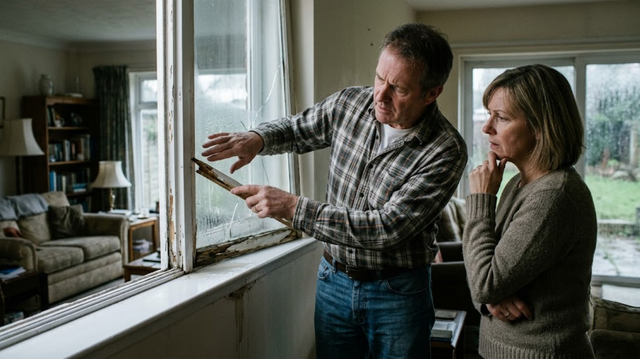
7. Decay, Soft Rot, and Mold on Frames or Sills
Inspect your window frames, sills, and trim closely. Soft, crumbling wood, peeling paint, or dark mold spots indicate deep water infiltration. Once rot sets in, water penetrates into the wall cavity surrounding the window frame, potentially causing hidden structural decay and costly mold remediation problems inside your walls.
Understanding the Real Cost to Replace Windows in 2026
Budgeting for home improvements requires clear, transparent numbers. The total cost to replace windows depends on several core variables: frame material, glass technology, window style, size, and labor costs for professional window installation.
Average Cost Breakdown by Window Frame Material
-
Vinyl Windows ($450 – $950 per window installed):
-
Pros: Affordable, low maintenance, rot-proof, excellent thermal insulation barrier.
PDF
-
Cons: Limited factory color choices, non-paintable.
PDF
-
-
Wood Windows ($900 – $1,800 per window installed):
-
Pros: Classic high-end aesthetic, paintable/stainable, natural thermal insulator.
PDF
-
Cons: Requires regular painting/staining, highly prone to rot if unsealed.
PDF
-
-
Fiberglass Windows ($750 – $1,500 per window installed):
-
Pros: Extremely strong, weather resistant, minimal thermal expansion.
PDF
-
Cons: Higher upfront cost than vinyl options.
PDF
-
-
Composite Windows ($650 – $1,250 per window installed):
-
Pros: Combines structural strength of wood with low maintenance of vinyl.
PDF
-
Cons: Fewer style choices available on the market.
PDF
-
-
Aluminum Windows ($500 – $1,100 per window installed):
-
Pros: Durable, sleek narrow sightlines, great for modern architecture.
PDF
-
Cons: Conducts heat/cold easily, less energy efficient overall.
PDF
-
Average Cost by Window Style
- Double-Hung Windows ($400 – $900): The most popular choice for American homes. Both sashes move vertically for easy cleaning.
- Casement Windows ($550 – $1,100): Hinged on the side and crank open outward. Offers a superior airtight seal against wind pressure.
- Sliding Windows ($400 – $850): Move horizontally along tracks. Ideal for wide wall openings and simple operation.
- Bay or Bow Windows ($1,800 – $4,500): Multi-panel projection windows that create interior nook space and dramatic visual appeal.
- Picture Windows ($350 – $800): Fixed, non-opening windows designed for maximum light exposure and energy efficiency.
Key Factors That Influence Your Total Investment
- Pocket Replacement vs. Full-Frame Replacement: Pocket replacement reuses existing sound wood frames and costs 20–30% less. Full-frame replacement removes everything down to the wall studs, which is essential if rot exists.
- Number of Windows: Replacing all home windows in a single project lowers per-window labor costs due to bulk installation efficiency.
- Custom Sizes & Architectural Glass: Standard off-the-shelf sizes are far less expensive than custom-shaped arches or oversized floor-to-ceiling units.
- Second-Story Labor: Upper-floor windows require ladders, scaffolding, and extra safety equipment, slightly increasing installation labor fees.
Why Energy Efficient Windows Pay for Themselves
Investing in modern energy efficient windows is one of the few home renovations that offers an immediate, direct financial return on investment. Older single-pane or outdated double-pane units act like continuous thermal holes in your home's exterior envelope. Upgrading to high-efficiency models fixes this leak permanently.
Anatomy of High-Performance Energy-Efficient Glass
- Double or Triple-Pane Glass: Multiple layers of heavy glass create sealed insulating air pockets that dramatically reduce direct heat transfers.
- Low-Emissivity (Low-E) Coatings: Microscopically thin, non-toxic metallic coatings applied to the glass surface reflect infrared heat. In summer, Low-E glass bounces heat away from your house; in winter, it keeps indoor warmth inside.
- Argon or Krypton Gas Fillers: Odorless, harmless dense gases injected between glass panes insulate far better than regular air.
- Warm-Edge Structural Spacers: Non-conductive spacer bars separate glass panes, preventing edge condensation and cold thermal bridges.
- ENERGY STAR® Certification: Always look for the ENERGY STAR logo tailored specifically to your climate zone.
Calculate Your Monthly Energy Savings
According to ENERGY STAR data, replacing old single-pane windows with ENERGY STAR certified units saves homeowners an average of $100 to $580 annually on heating and cooling bills. Furthermore, modern windows protect your interior furniture, hardwood floors, and artwork from harmful UV rays, preventing fading over time.
When to Get New Windows vs. Making Minor Repairs
Not every window issue requires complete unit removal. Knowing when to get new windows versus when a simple repair will suffice saves you unnecessary expense.
When Repair is Appropriate:
- Broken Hardware or Locks: Damaged cranks, handles, or sash locks can usually be swapped easily with replacement hardware parts.
- Minor Exterior Caulk Cracks: Dried, cracked caulking along the exterior trim can be scraped clean and reapplied in an afternoon.
- Torn Insect Screens: Window screen mesh is quick, easy, and inexpensive to replace.
When Full Replacement is Essential:
-
Foggy Glass / Broken Seals: You cannot permanently re-seal an insulated glass unit once the factory bond has broken; glass or full unit replacement is required.
-
Rotted or Spongy Wood Frames: Structural rot weakens frame support, allowing water to bleed into interior walls.
-
Warped Sashes or Frames: Once vinyl or wood warps out of square, airtight seals can never be restored.
Single-Pane Glass Units: Single glass offers virtually zero thermal insulation and should be upgraded to modern standards.
How to Hire a Window Contractor: Avoid Overpaying and Costly Mistakes
Even the highest quality energy-efficient window on the market will fail prematurely if installed incorrectly. Proper installation is critical. Learning how to hire a window contractor who is experienced, licensed, and honest is the most vital step in your remodeling process.
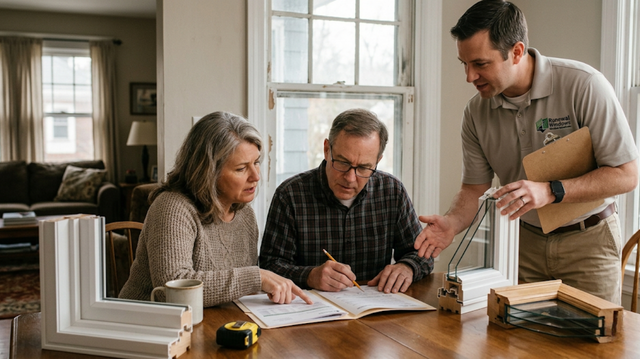
5 Critical Questions to Ask Every Contractor Before Signing
- "Are your installers direct employees or subcontractors?" Direct factory-trained employees tend to offer higher craftsmanship consistency than temporary subcontractors.
- "Can you provide proof of licensing, general liability, and worker's compensation insurance?" Never hire an uninsured contractor, or you risk financial liability if an installer is injured on your property.
- "What comprehensive warranties cover both the window product AND the installation labor?" Product warranties cover manufacturing defects (often 20+ years), while labor warranties cover installation leaks and drafts (ideally 2 to 10 years).
- "Will my quote be a complete, written, fixed line-item estimate?" Avoid contractors who give verbal "ballpark figures." Demand detailed quotes including old window disposal, trim work, flashing, and sealing fees.
- "Can you provide local references or recent installation addresses in my neighborhood?" A reputable local pro will gladly share customer references and photos of completed nearby projects.
Red Flags to Watch Out For When Reviewing Quotes
- High-Pressure "Today Only" Discount Tactics: Contractors who drop their price by thousands if you sign a contract immediately on the spot are using aggressive sales gimmicks.
- Unusually Low "Ballpark" Estimates: Beware of initial quotes that seem impossibly cheap—they often exclude essential installation fees, trim work, or cleanup costs, leading to surprise mid-project price spikes.
- Demanding 100% Upfront Payment: A reasonable deposit (typically 10% to 33%) is standard, but you should never pay the final balance until installation is 100% finished and inspected by you.
Contractor Vetting Checklist: Always compare at least three quotes from vetted local pros. Compare line-item specs, frame materials, labor warranties, and local customer reviews before making your choice.
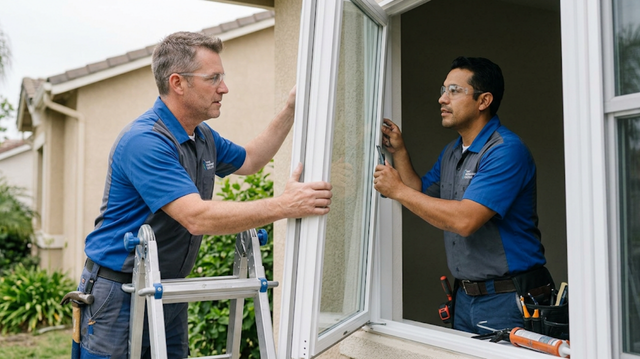
Step-by-Step Guide to Professional Window Installation Day
Knowing what to expect on installation day ensures a smooth, stress-free experience for your family:
- Pre-Installation Measurement: A technician measures every window opening down to the millimeter to ensure a custom-manufactured precision fit.
- Site Preparation: Installers drop protective cloths around work areas and carefully remove window blinds, curtains, and interior trim.
- Old Window Removal: The old sashes and frames are carefully extracted and hauled away for recycling or disposal.
- Frame Prep and Waterproof Flashing: The rough opening stud framing is inspected for hidden rot, cleaned, and wrapped in waterproof membrane flashing.
- Setting, Leveling, and Securing: The new unit is shimmed, leveled, squared, and anchored securely into the structural studs.
- Low-Expansion Foam Insulation: Installers spray non-warping polyurethane insulation foam between the window frame and house studs to seal all air gaps.
- Exterior Capping and Caulking: Exterior aluminum cladding is custom-bent around trim and sealed with commercial-grade exterior sealant.
- Final Cleanup and Demonstration: Installers vacuum the workspace, reinstall interior trim, and demonstrate smooth operation and lock functions to you.
Conclusion: Take the First Step Toward a Quieter, Cozier, Energy-Efficient Home
Replacing your outdated home windows is one of the smartest investments you can make in your property. By recognizing the primary window replacement signs—such as drafty rooms, high energy bills, broken window seals, and window glass condensation—you take full control of your home’s comfort, security, and financial value.
Upgrading to modern energy-efficient windows significantly lowers your monthly utility expenses, eliminates cold spots, and revitalizes your home’s exterior aesthetic. Now that you understand the realistic cost to replace windows and know how to properly hire a window contractor, you are ready to move forward.
Talk to a vetted contractor in your area today here or dial +1 (888) 646-7358