How to Get a High-Performing Roof in Nevada
Sep/21/2026 62How to Get a High-Performing Roof in Nevada
A roof in Nevada faces extreme weather conditions year-round. Between blistering summer temperatures that regularly exceed 100°F, intense ultraviolet exposure, high desert winds, and sudden monsoon downpours, your roof undergoes continuous thermal stress. Over time, these conditions cause shingles to crack, underlayment to dry out, and tiles to shift.
Whether you have noticed signs of wear or are planning a full replacement, building a high-performing roof requires choosing materials built for the desert and working with qualified professionals. Finding the **best local roofing contractors near me** ensures your home remains protected, energy-efficient, and structurally sound for decades.
What Makes Nevada’s Climate So Hard on Roofs?
Nevada’s high desert environment creates unique challenges for residential roofing systems. Understanding these environmental factors helps homeowners make informed decisions about repairs and replacements.
Nevada Climate Hazards to Roofing:
|
Hazard |
Impact on Roof System |
|---|---|
|
Intense UV Rays |
Accelerates asphalt degradation; cracks underlayment |
|
Thermal Shock |
Fast day-to-night temperature shifts expand and contract materials |
|
Monsoons & Wind |
Lift loose tiles; drive moisture under flashings |
|
Wind-Borne Dust |
Clogs valley drainage; wears down protective granules |
1. Extreme Heat and Thermal Shock
During summer months, surface roof temperatures can reach up to 160°F. Rapid cooling at night causes materials to expand and contract dramatically—a process known as thermal shock. Over time, this constant movement loosens fasteners, cracks sealants, and degrades asphalt shingles faster than in temperate climates.
2. UV Radiation Breakdown
Unshielded sunlight breaks down the chemical bonds in roofing materials. Asphalt shingles lose their protective granules, organic underlayments dry out and become brittle, and plastic vents degrade.
3. High Winds and Dust Storms
Desert wind gusts can lift tile edges and dislodge unsealed asphalt shingles. Wind-borne dust acts like abrasive sandpaper, stripping away protective surface coatings and clogging roof drainage valleys.
Signs Your Nevada Roof Needs Attention
Detecting minor issues early prevents expensive structural damage to your home’s interior and framing.
- Cracked, Missing, or Slipping Tiles: Common on concrete or clay roofs after strong wind events.
- Curling or Bare Asphalt Shingles: Loss of granules exposes the underlying fiberglass mat to direct sun.
- Brittle or Exposed Underlayment: If underlayment visible beneath shifted tiles is torn or crumbling, water leaks are imminent during the next storm.
- Unusually High Energy Bills: A damaged or improperly ventilated roof allows excess attic heat to overload your HVAC system.
- Water Stains on Ceilings or Walls: Indicates water penetration that has already breached the outer layer and underlayment.
Best Roofing Materials for Nevada Homes
Selecting the right roofing material is the single most important decision for long-term desert performance.
Concrete and Clay Tile
- Lifespan: 40–50+ years (with proper underlayment replacement).
- Benefits: Outstanding thermal resistance, flame-retardant, high durability against desert heat.
- Considerations: Heavy weight requires adequate structural framing. The tiles themselves last for decades, but the underlying waterproofing layer usually requires replacement every 20–25 years.
Metal Roofing (Standing Seam)
- Lifespan: 40–70 years.
- Benefits: Reflects solar radiant heat, exceptionally wind-resistant, highly durable during storm seasons.
- Considerations: Higher upfront investment, though offset by energy savings and durability.
Architectural Asphalt Shingles (Cool Roof Certified)
- Lifespan: 20–30 years.
- Benefits: Cost-effective, wide style selection, reflective granules designed to reduce heat absorption.
- Considerations: Shorter lifespan in high heat compared to tile or metal.
Repair vs. Replacement: Making the Right Choice
| Situation | Recommended Action |
|---|---|
| Isolated damage (fewer than 3–4 cracked tiles or lost shingles) | Spot Repair |
| Roof is under 15 years old with intact underlayment | Targeted Maintenance & Flashings |
| Widespread tile slippage or crumbling felt underlayment | Full Roof Replacement / Lift-and-Reset |
| Roof age exceeds 20–25 years with recurring leaks | Complete System Overhaul |
Note: On tile roofs, the outer tile often outlasts the felt beneath it. A "lift-and-reset" service allows contractors to remove existing tiles, install high-grade synthetic underlayment, and reinstall your original tiles—saving material costs while restoring full leak protection.
How to Choose the Best Local Roofing Contractors in Nevada
Hiring the right contractor is just as critical as choosing quality materials. When searching for the best roofing contractors in my area, evaluate candidates using these essential criteria:
1. Verification of Local Licensing and Bonding
In Nevada, roofing work must be performed by a contractor holding an active license issued by the Nevada State Contractors Board (NSCB). Verify their license number, limit, and standing directly on the NSCB portal.
2. Experience with Desert-Specific Installations
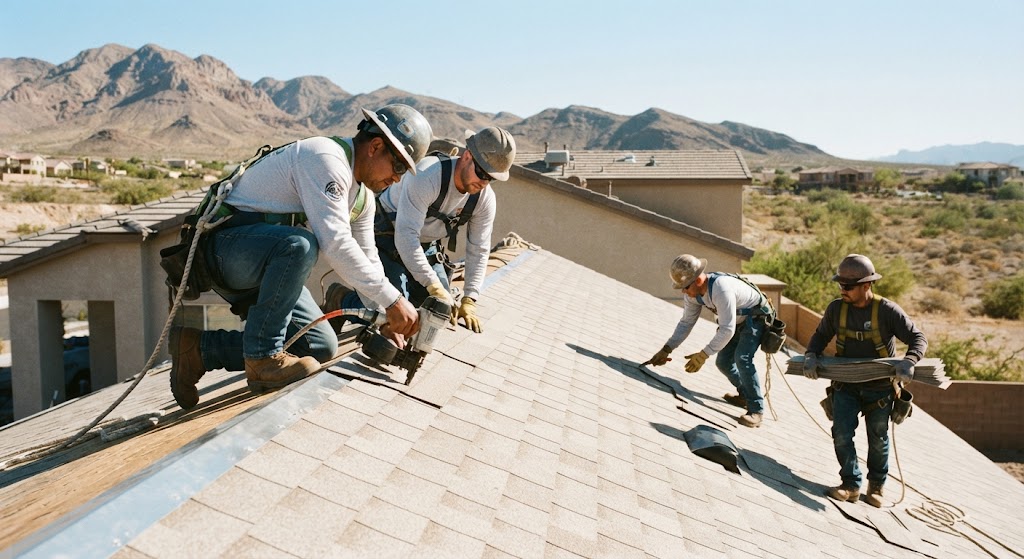
Desert roofs require specialized installation techniques, including high-heat underlayments, proper ridge vent placement for hot air evacuation, and wind-resistant fastening patterns. Ask contractors specifically about their experience with high-temp synthetic underlayments.
3. Comprehensive Warranty Coverage
Ensure your contract clearly outlines two types of warranty protection:
- Manufacturer Warranty: Covers material defects (e.g., shingle or tile manufacturing failures).
- Workmanship Warranty: Covers contractor installation errors, typically ranging from 2 to 10+ years.
4. Direct Manufacturer Certifications
Contractors designated as preferred or certified installers by major manufacturers (e.g., Owens Corning, GAF, Eagle Roofing) can offer extended warranties that uncertified installers cannot provide.
Key Questions to Ask Before Signing a Contract
Before committing to a roofing project, ask potential contractors these key questions:
- Are you licensed with the Nevada State Contractors Board, and what is your license limit?
- Will you pull all required local building permits for this project?
- What type of underlayment do you recommend for desert heat, and why?
- How will you protect my property, driveway, and landscaping during tear-off?
- What is the detailed breakdown between materials, labor, and disposal fees?
- Who will be the on-site supervisor during the installation process?
Frequently Asked Questions
What is the average cost of a roof replacement in Nevada?
Roof replacement costs typically range from $8,000 to $22,000+, depending on house square footage, pitch, material choice (asphalt vs. tile vs. metal), and structural repairs needed.
How long does a roof replacement take?
A standard residential roof replacement usually takes 2 to 4 days of active labor, depending on project complexity, weather, and material availability.
Can I install a new roof directly over my old one?
While some building codes allow overlaying shingles, it is not recommended in Nevada. Overlays trap excess heat, accelerate material breakdown, and prevent contractors from inspecting the wooden deck and underlayment for hidden damage.
How often should a desert roof be inspected?
Schedule a professional roof inspection at least once a year—preferably in late spring before summer heat waves—and after major wind or hail storms.
Take the Next Step for Your Nevada Home
Don't wait until severe leaks or summer heat damage your home's interior. Protecting your property starts with a thorough evaluation by a qualified local professional.
Find top-rated service pros for your project or call us at 1 (888) 646-7358 to speak with a licensed local contractor today!