What to Consider Before Starting a Bathroom Remodel in California
Oct/06/2026 9California Bathroom Remodel Guide: Key Planning Steps & Costs
Stepping into your bathroom should feel like entering a clean, calming retreat. For many California homeowners, however, it feels more like confronting a daily headache. Maybe you are staring at cracked tile, outdated fixtures from the 1980s, stubborn mold lines around the tub, or a layout that barely accommodates your family’s morning routine.
Remodeling a bathroom is one of the most rewarding home improvement projects you can undertake. It improves your daily quality of life, increases your home’s market value, and resolves hidden structural or water-related issues. Yet, starting the process can feel overwhelming. California homeowners face a unique mix of strict building regulations, high labor and material costs, energy efficiency standards, and water conservation mandates.
If you feel uncertain about where to begin, how much to budget, or how to choose a trustworthy contractor, you are not alone. The best way to replace confusion with control is to understand what goes into planning a California bathroom remodel. Taking a few moments to request a free online quote connects you directly with top-rated, licensed local specialists who can evaluate your space and provide exact pricing for your vision.
Understanding the Problem: Signs Your California Bathroom Needs a Overhaul
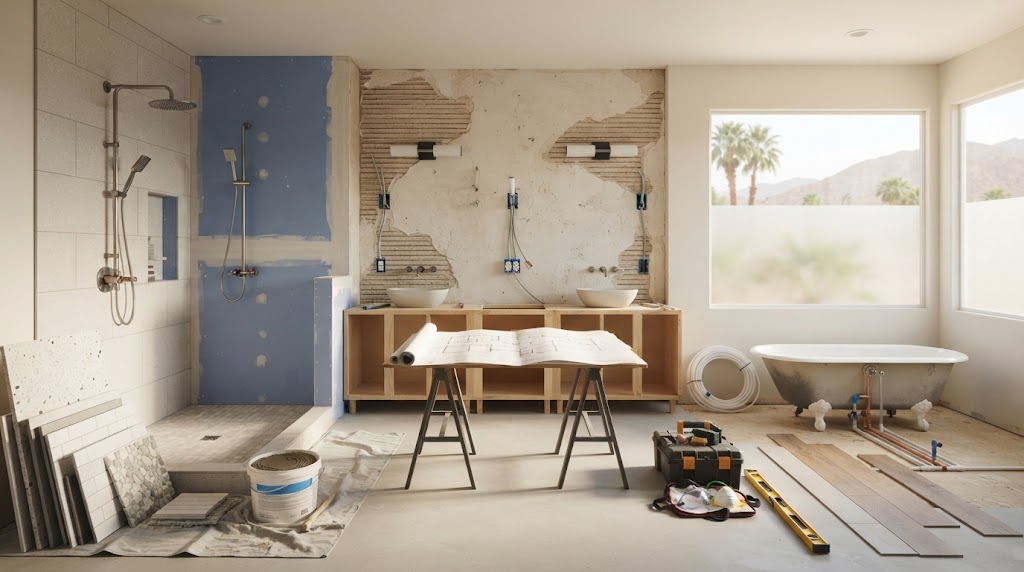
A bathroom remodel is rarely just about cosmetics. While updated vanity finishes and modern tile look beautiful, most overhauls are triggered by underlying physical problems or functional failures that accumulate over time.
Persistent Moisture, Mold, and Ventilation Issues
California’s climate varies wildly from damp coastal fogs to interior heat. However, inside the bathroom, moisture is a constant battle. Older California homes often rely on outdated exhaust fans or small single-pane windows that fail to clear humidity. Persistent moisture seeps into drywall, rots subflooring beneath tile, and breeds mold behind walls. If you notice peeling paint, musty odors, or persistent dark spots on grout lines, moisture has likely penetrated beneath the surface.
Outdated Plumbing and Hidden Water Leaks
Galvanized steel pipes found in older California properties gradually corrode from the inside out, restricting water pressure and leaking slowly behind walls or underneath floors. A small leak under a tile floor can quiet go undetected for months, eroding the subfloor and creating structural sagging. Water spots on ceilings below the bathroom or unexplained jumps in your municipal water bill are clear warning signals that a tear-down and rebuild is overdue.
Inefficient Fixtures and Outdated Electrical
California leads the nation in water and energy conservation standards. Older toilets, showerheads, and faucets waste thousands of gallons of water annually. Furthermore, older electrical systems often lack Ground Fault Circuit Interrupter (GFCI) outlets near water sources, posing safety risks for modern high-wattage personal care items.
Poor Space Utilization and Accessibility Needs
Living needs change over time. A home purchased twenty years ago might have a bathtub you no longer use or lack the safety and accessibility features needed for aging in place. Cramped layouts, inadequate storage, and poor lighting make daily routines frustrating rather than relaxing.
Key Considerations Before Starting Your Project
1. Navigating California Building Codes and Title 24
California has some of the strictest building codes in the United States, designed to protect natural resources and ensure structural safety.
- Title 24 Energy Code: Mandatory lighting standards require high-efficacy LED fixtures, automatic vacancy sensors, and high-efficiency ventilation fans.
- CALGreen Water Conservation: Showerheads must adhere to strict low-flow standards (typically a maximum flow rate of 1.8 gallons per minute), and toilets must be ultra-low-consumption models (1.28 gallons per flush or less).
- Permits: Structural changes, electrical rewiring, plumbing relocations, and shower pan installations require municipal building permits. Working without permits can cause major legal issues when selling your home and may invalidate homeowner insurance coverage during a leak or fire event.
2. Factoring in Seismic Safety and Home Age
Homes across the Golden State are subject to shifting foundations due to seismic activity. This minor ground movement causes grout to crack, tile to loosen, and plumbing joints to strain over time. During a remodel, ensuring proper backing, waterproofing membranes, and flexible plumbing hookups protects your investment against future seismic shifts.
3. Choosing Materials Built for Local Conditions
From coastal salt air that corrodes cheap metal finishes to dry interior heat that warps inferior cabinetry wood, material selection matters. Investing in non-porous porcelain tiles, solid brass or stainless steel fixtures, and moisture-resistant vanity materials ensures your bathroom withstands regional environmental pressures.
Answers to Frequently Asked Planning Questions
How much does a typical bathroom remodel cost in California?
A modest hall bathroom refresh in California generally ranges between $15,000 and $25,000. A full floor-to-ceiling overhaul of a standard bathroom costs between $25,000 and $45,000. Large primary suite remodels involving structural changes, custom tile, and luxury fixtures typically range from $45,000 to $75,000 or more, heavily influenced by local permit fees and material choices.
When should you hire a professional instead of taking a DIY approach?
You should hire a licensed contractor for any project involving plumbing relocations, electrical work, subfloor repairs, structural wall removals, or shower pan waterproofing. While cosmetic tasks like painting or updating hardware suit handy homeowners, waterproofing and electrical work require professional installation to meet California code and prevent catastrophic water damage.
Is a complete bathroom remodel worth the investment in California?
Yes. Beyond improving daily living, bathroom remodels consistently rank among the top home investments in California. Homeowners typically recoup 60% to 70% of their investment upon resale. Furthermore, updating to water-efficient fixtures immediately lowers monthly utility bills in regions affected by high water rates.
DIY vs. Professional Expertise: Knowing Your Limits
It is easy to watch home improvement shows and assume a bathroom overhaul is a weekend task. However, bathrooms contain the highest concentration of plumbing, electrical, and waterproofing components per square foot of any room in your home.
Cosmetic DIY Projects (Low Risk)
- Replacing towel bars, toilet paper holders, and cabinet knobs.
- Painting walls with moisture-resistant, mold-inhibiting interior paint.
- Swapping out mirrors or simple wall art.
- Recaulking around the bathtub rim or sink rim if the underlying surfaces are sound.
Professional Scope (High Risk / Code-Regulated)
- Waterproofing and Shower Pans: The shower pan is your home's primary defense against catastrophic structural decay. A single mistake in hot-mopping or membrane installation allows water to seep directly into framing, causing thousands in hidden damage.
- Plumbing Relocation and Upgrades: Moving a toilet, converting a tub to a walk-in shower, or running new supply and drain lines requires precise slope calculations and leak-proof fitting to meet California plumbing codes.
- Electrical Upgrades: Installing dedicated GFCI circuits, exhaust fans vented directly to the exterior, and low-voltage lighting requires a certified electrician to prevent fire hazards and ensure compliance with Title 24.
- Tile Work and Subfloor Prep: Laying wall or floor tile over an unlevel or flexing subfloor leads to cracked tiles and loose grout within months. Professionals assess subfloor integrity and install proper cement backer boards.
Attempting complex trade work without proper training often results in failed inspections, structural damage, and double the expenditure to have a professional tear out and redo the work.
Navigating Costs and Scope: What Shapes Your Budget?
Every bathroom is unique, and pricing depends heavily on size, structural condition, and finish levels. Understanding where your money goes helps you allocate funds wisely.
Major Cost Drivers
- Labor and Specialized Crafts: In California, skilled trade labor forms a significant portion of your budget. Licensed plumbers, electricians, and tile setters bring essential expertise that ensures longevity and code compliance.
- Material Quality: Standard acrylic tub surrounds and prefabricated vanities cost significantly less than hand-crafted ceramic tiles, frameless glass enclosures, and custom solid-wood vanities.
- Layout Changes: Keeping existing plumbing fixtures in their original locations keeps costs manageable. Moving a toilet or drain line requires trenching slab foundations or opening up floor joists, adding labor and permit costs.
- Permit Fees and Inspections: Municipal plan checks and permit fees vary by city across California but typically add a few hundred to several thousand dollars to overall project costs.
- Hidden Structural Repairs: Once walls and old tiles are removed, contractors occasionally uncover dry rot, termit damage, or old plumbing leaks that must be repaired before new finishes are installed.
Rather than guessing at costs based on online generic averages, requesting a personalized quote from a local specialist provides an accurate breakdown tailored specifically to your home's layout and style preferences.
How Online Quote Forms Simplify Finding the Right California Contractor
Finding a reliable, communicative, and legally compliant contractor can feel like a daunting task. Endless phone calls, unreturned voicemails, and unverified credentials cause unnecessary stress. Submitting an online inquiry form removes the friction from this process entirely.
What to Look for in a California Bathroom Contractor
Before hiring any professional, verify that they possess:
- An Active CSLB License: California requires contractors performing work valued over $500 to hold an active license with the Contractors State License Board (CSLB) under appropriate classifications (such as B-General Building or C-36 Plumbing).
- Proper Insurance Coverage: Ensure the contractor carries active General Liability insurance and Worker's Compensation insurance to protect you from liability in case of accidental property damage or job site injuries.
- Local References and Reviews: A solid track record in your specific California municipality demonstrates familiarity with local building inspectors and supply yards.
- Detailed Written Contracts: Trustworthy pros provide clear contracts detailing the scope of work, material selections, payment milestones, and estimated completion schedules.
The Fast Track: How a Simple Quote Request Works
Instead of spending hours searching directories and making cold calls, submitting a simple online quote form connects you directly with top-rated local pros.
- Step 1: Share Your Vision: Fill out a quick form describing your bathroom location, general project scope, and preferred start timeframe.
- Step 2: Automated Match: The platform routes your request to vetted, background-checked, and licensed contractors in your specific zip code.
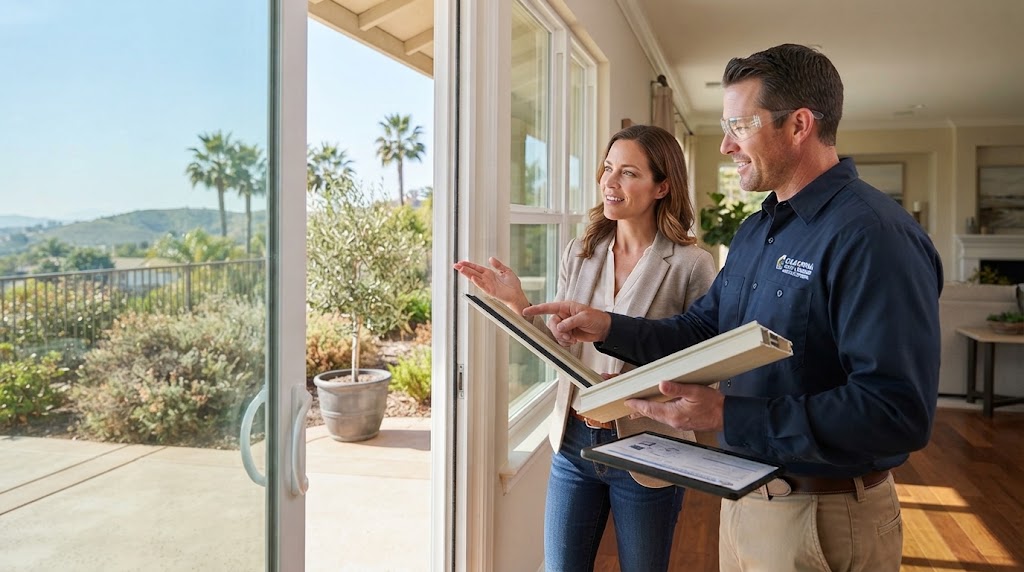
- Step 3: Low-Pressure Consultations: Matched local contractors reach out to discuss your ideas, schedule an in-person site walk, and provide detailed, transparent estimates.
This streamlined approach allows you to compare proposals, review past client feedback, and select the professional who best aligns with your budget and expectations—all with zero obligation.
Questions to Ask Pros During Your Initial Consultation
When matched contractors contact you, ask these essential questions to ensure a smooth partnership:
- Are you licensed with the CSLB, and will you be handling the permit application process with our local city building department?
- How do you approach shower waterproofing, and what warranties do you offer on labor?
- Who will be on-site supervising the daily work?
- How do you manage dust control and protect the rest of the home during demolition?
- What is your estimated timeline from teardown to final sign-off?
Frequently Asked Questions
Do I need a permit to remodel my bathroom in California?
If your remodel is purely cosmetic—such as replacing a vanity mirror, painting walls, or installing new towel racks—a permit is generally not required. However, if you are replacing a shower pan, moving plumbing lines, adding electrical outlets, altering ventilation, or changing structural framing, local California building departments require permits and scheduled inspections.
How long does a typical bathroom remodel take to complete?
Once demolition begins, a standard hall bathroom remodel takes approximately 2 to 3 weeks of active labor. Larger primary bathrooms or projects requiring extensive custom tile work, custom cabinetry, and structural layout changes take roughly 4 to 6 weeks. Factor in additional time upfront for permit approvals and ordering materials.
What is California's Title 24, and how does it affect my bathroom?
Title 24 is California’s energy efficiency standard for residential buildings. In a bathroom remodel, it regulates lighting and ventilation. It typically requires high-efficacy lighting (such as LEDs), occupancy sensors or manual vacancy switches, and quiet, energy-efficient exhaust fans rated for continuous or automatic humidity sensing.
Can I save money by buying my own materials online?
While purchasing items like towels, mirrors, or hardware on your own works well, consult your contractor before ordering major fixtures, shower valves, or tiles online. Contractors ensure valves match local plumbing specs, glass enclosures fit custom openings, and tiles have correct slip ratings for wet floor applications.
How can I prepare my home for demolition day?
Clear out all personal belongings from medicine cabinets, vanities, and shower caddies prior to the start date. Create a clear path from the entry door to the bathroom for crew access, and move fragile items from adjacent hallway walls, as hammering can cause vibrations through drywall.
How do I prevent mold from returning to my newly remodeled bathroom?
Work with your contractor to install a properly sized, high-CFM exhaust fan wired to a humidity sensor or timer switch. Use smooth grout systems or epoxy grouts, seal porous natural stone tiles regularly, and ensure the shower stall is built with proper drainage slopes and modern waterproofing backing boards.
Take the First Step Toward Your Dream Bathroom Today
Planning a bathroom remodel does not have to be stressful or overwhelming. By understanding local California requirements, setting a realistic budget, and partnering with skilled professionals, you can transform an outdated, malfunctioning room into a space of comfort, efficiency, and value.
The fastest and easiest way to gain clarity on your project's scope and pricing is to talk directly with local experts who know California building codes inside and out.
Ready to Transform Your Bathroom? Get Matched with Top-Rated California Pros Today!
Don't let outdated fixtures, hidden leaks, or uncomfortable layouts compromise your home's value and daily comfort. Finding a reliable, fully licensed local contractor is fast, simple, and completely stress-free.
Please visit us here to find Find top-rated service pros for your project or call us at 1 (888) 646-7358!