What to Expect During a Window Replacement Project in California
Oct/05/2026 12What to Expect During a Window Replacement Project in California
Drafty rooms, sudden energy bill spikes, and sticky window frames can turn your home into a daily source of frustration. In a state known for intense summer heatwaves, winter atmospheric rivers, and stringent building codes, keeping old, inefficient windows running is an uphill battle. Deciding to replace your windows is one of the single most impactful upgrades you can make for your living comfort, quiet, and utility bills.
Yet, for many California homeowners, the process feels overwhelming before it even begins. You might wonder how long installation takes, how much mess will be made, or how state regulations like Title 24 affect your choices. The good news is that replacing your windows does not have to be a stressful ordeal. When you know what to expect at every step and partner with a qualified, licensed local specialist, the entire project becomes clear, manageable, and surprisingly swift.
Getting total clarity on your project starts with gathering accurate, localized information. Requesting a free, no-obligation quote through a simple online inquiry form connects you with top-rated, background-checked California contractors who can evaluate your home and guide you through every milestone.
Understanding the Problem: Signs Your California Windows Need Replacement
Windows do far more than offer a view of the outdoors; they act as your home's primary thermal envelope, barrier against the elements, and noise filter. Over time, constant exposure to California’s UV rays, coastal salt air, and thermal expansion causes materials to degrade. Identifying issues early helps you avoid structural damage, mold growth, and unnecessary energy waste.
Common Symptoms of Failing Windows
- Persistent Drafts and Temperature Swings: If sitting near a closed window feels colder in winter or noticeably warmer during a hot afternoon, your frame seals or weatherstripping have failed.
- Condensation Between Glass Panes: Fogging or moisture trapped between double- or triple-pane glass means the perimeter seal has broken, allowing the insulating argon gas to escape.
- Operation Issues: Frames that stick, jam, or refuse to stay open pose safety risks and indicate warping, frame decay, or hardware failure.
- Visible Frame Decay or Water Stains: Soft wood, peeling paint, or discoloration around interior drywall signals moisture penetration, which can rot surrounding wall framing if unaddressed.
- Excessive Outside Noise: If street traffic, barking dogs, or neighborhood activity sound as if they are occurring inside your living room, your windows lack adequate sound dampening and insulation.
The Hidden Dangers of Ignoring Window Deterioration
Delaying a window replacement project often leads to larger, far more expensive home repairs. When window seals fail, water slowly infiltrates the structural framing around the opening. Over time, hidden moisture fosters toxic mold growth, rots studs and sills, and attracts wood-boring pests.
Furthermore, leaky windows force your HVAC system to work overtime to compensate for constant heat gain or loss. In California, where electricity rates remain significantly higher than the national average, old single-pane or failed double-pane windows can drain hundreds of dollars from your wallet every year. Taking proactive action by requesting a quick local quote gives you a clear look at your options before minor leaks turn into structural overhauls.
Quick Answers to Common California Window Questions
How long does a window replacement project take in California?
The physical installation of replacement windows usually takes just one to two days for an average-sized home (10 to 15 windows). However, the overall project timeline—from initial measurement, custom ordering, and permit pulling to final installation and municipal inspection—typically spans three to six weeks depending on manufacturer lead times.
When should you call a pro for window replacement?
You should call a licensed pro immediately if you spot soft wood frames, water leaking around the window casing, broken glass, or severe condensation inside double panes. Professional intervention is also necessary if you want to upgrade to energy-efficient windows to meet California Title 24 standards or reduce high cooling bills.
Is it worth repairing old windows or replacing them completely?
Minor issues like replacing worn weatherstripping, updating rusted latch hardware, or recaulking exterior trim are worth simple DIY or handyman repairs. However, if the window frame is warped, structural wood is rotted, or double-pane seals have failed, a full replacement is the only long-term, cost-effective solution.
DIY vs. Professional Expertise: Knowing When to Hire a Licensed Pro
Taking on home maintenance projects can be rewarding, but window replacement requires a level of precision, physical heavy lifting, and regulatory compliance that goes far beyond basic weekend DIY skills. Understanding where simple maintenance ends and professional replacement begins protects both your home investment and your personal safety.
What You Can Handle Yourself
Homeowners can easily manage small, preventative tasks that extend the lifespan of existing, structurally sound windows:
- Cleaning window tracks, weep holes, and glass surfaces with non-abrasive cleaners.
- Replacing worn surface weatherstripping along sliding sashes.
- Applying fresh, high-grade exterior caulk around outer trim to block minor air gaps.
- Lubricating operator arms, hinges, and locks with silicone spray.
Tasks Requiring a Licensed California Contractor
When it comes to removing old units and integrating new window assemblies into your home’s weather barrier, professional expertise is essential. Full window replacement involves structural, thermal, and regulatory tasks that demand specialized experience:
- Precise field measurements down to the millimeter to ensure custom-manufactured units fit flush without air or water gaps.
- Safe removal and disposal of old glass and heavy sash frames, especially in older homes containing lead paint.
- Correct installation of flashing tape, water-resistive barriers, and low-expansion insulating foam to prevent subterranean leaks.
- Compliance with California Title 24 energy codes, safety glass requirements near doors or floors, and fire-resistant glazing in Wildland-Urban Interface (WUI) zones.
- Navigating municipal building permits and scheduling official city inspections to keep your property title clear.
Attempting to install replacement windows on your own can void manufacturer warranties, compromise your home’s security, and leave you vulnerable to hidden water leaks inside your walls. Submitting an online quote request connects you directly with insured, CSLB-licensed window contractors who handle every technical detail from start to finish.
Navigating Costs and Project Scope in California
Every home in California is unique, meaning window replacement costs vary based on a handful of straightforward factors. Rather than relying on rigid online estimates, understanding how material quality, labor, and local code requirements shape your project total helps you budget with complete confidence.
Key Factors Influencing Your Investment
- Frame Materials: Vinyl remains the most popular and cost-effective choice due to its high insulation properties and low maintenance requirements. Fiberglass and aluminum-clad wood offer exceptional structural strength and high-end aesthetics at a higher price point.
- Glass Package & Efficiency Features: Double-pane glass with Low-E (low-emissivity) coatings and argon gas fills is standard for meeting California energy regulations. Triple-pane glass provides maximum thermal insulation and noise reduction for homes near busy streets or extreme climate zones.
- Window Style and Size: Standard double-hung or horizontal sliding windows are generally the most affordable to manufacture and install. Custom bay, bow, architectural geometry, or large picture windows require specialized framing support and additional labor.
- Installation Method (Insert vs. Full-Frame): Retrofit (or insert) installation preserves your existing exterior trim and interior casing, making it a faster and lower-cost option. Full-frame replacement involves removing the entire frame down to the rough opening studs, which is necessary if the existing frame is rotted, unlevel, or damaged.
- Permitting and Code Compliance: Permit fees vary by city or county across California. Work in designated wildfire zones or historic districts may require specialized fire-rated glass or historically matched architectural trims, impacting overall material selection.
Because every home setup is different, getting an accurate picture of pricing requires an evaluation from a local professional. Filling out a brief online inquiry form allows trusted pros to review your home's layout, discuss your goals, and deliver a transparent, custom proposal with no hidden surprises.
How Online Quote Forms Simplify Finding the Right California Pro
Finding a dependable contractor shouldn't feel like a full-time job. Instead of spending hours calling busy local offices, leaving voicemails, and waiting days for a response, modern online inquiry forms streamline the entire process. In just about 60 seconds, you can outline your project needs and get paired with pre-vetted, licensed window specialists serving your exact neighborhood.
What to Look For in a California Window Pro
When you connect with local contractors through our matching service, you can evaluate them using clear, objective standards:
- Active CSLB Licensing: Always verify that a contractor holds an active license with the Contractors State License Board (CSLB) under C-17 (Glazing) or B (General Building).
- Adequate Insurance Coverage: Confirm they carry current General Liability insurance and Workers' Compensation coverage to protect your home and workers during installation.
- Local Reputation and Portfolio: Look for contractors with verified customer reviews and a portfolio showing completed projects in your immediate geographic area.
- Clear, Detailed Contracts: Reliable pros provide written contracts outlining itemized material specifications, project timelines, payment schedules, and labor warranty coverage.
Crucial Questions to Ask During Your Consultation
Once a matched contractor reaches out to schedule your home consultation, use this opportunity to ask targeted questions to ensure a smooth partnership:
- Which frame materials and glass coatings do you recommend specifically for my home's orientation and solar exposure?
- Will my project require a retro-fit installation or a complete full-frame teardown?
- Do you handle all municipal building permits and city inspection scheduling on my behalf?
- What specific warranties cover the replacement windows and your team's installation labor?
- What steps does your crew take to protect my home interior, floors, and landscaping during removal and installation?
Submitting a quote request puts you back in the driver's seat. It offers a zero-pressure environment where you can review proposals, compare options, and choose the pro that fits your timeline and budget best.
What Happens During a Window Replacement Project: Step-by-Step
Understanding the timeline of your project eliminates uncertainty and ensures you feel completely prepared when installation day arrives. A professional window replacement follows a structured, well-organized process designed to minimize disruption to your home life.
Phase 1: In-Home Consultation and Custom Measurements
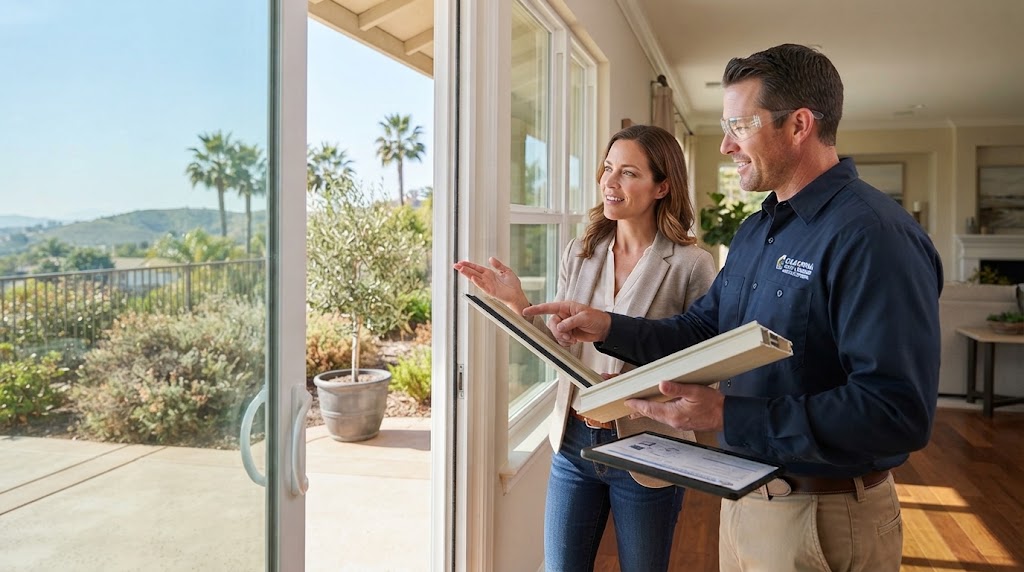
After submitting your initial inquiry, your matched contractor visits your home to examine your existing windows, assess frame conditions, and take exact measurements. You will discuss glass options, frame colors, grid patterns, and operation styles. Once you approve the project scope, the contractor submits the exact specifications to the manufacturer to custom-build your windows.
Phase 2: Permitting and Manufacturing
While the factory constructs your custom window units—a process that typically takes anywhere from two to five weeks—your contractor pulls the necessary building permits from your local city or county building department. This step ensures that your new windows fully comply with local egress codes, energy standards, and safety mandates.
Phase 3: Site Preparation and Delivery
A day or two before installation, your contractor will contact you to confirm the delivery schedule and offer simple prep guidelines. You will typically be asked to clear a work perimeter around your windows, remove window treatments (blinds, curtains, or drapes), move furniture away from openings, and secure household pets.
Phase 4: Installation Day
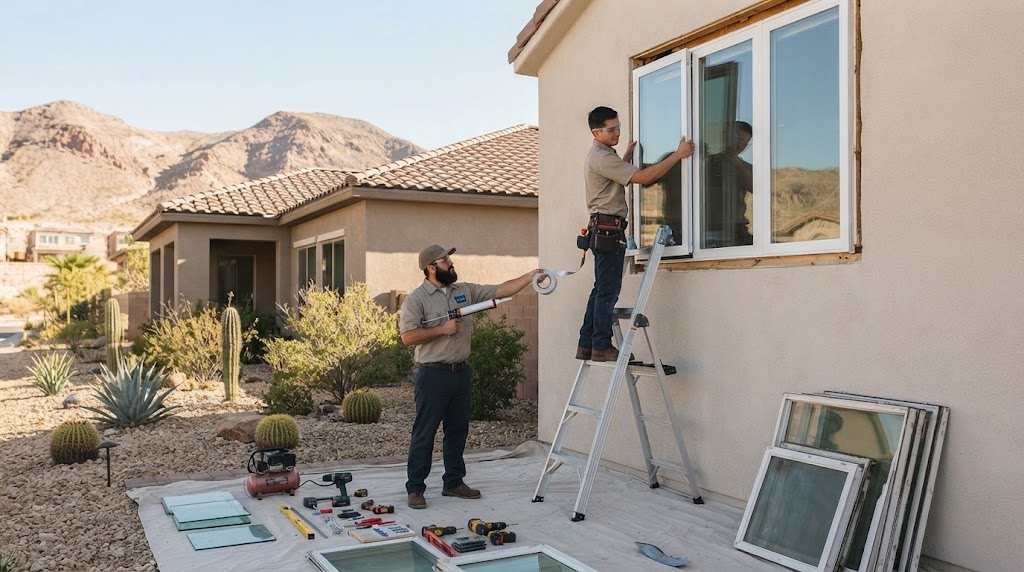
On installation day, the professional installation crew arrives with your custom windows, specialized tools, and drop cloths. They work systematically, usually replacing one window at a time to prevent exposing your home to outdoor temperatures or weather:
- The crew lays down protective drop cloths inside and outside the work areas.
- Old window sashes and frames are carefully uninstalled and removed from the opening.
- The rough stud opening is inspected for wood rot or water damage, repaired if necessary, and prepped with waterproofing flashing membrane.
- The new window unit is set into the opening, leveled, plumbed, and securely anchored to the framing studs.
- The perimeter gap is sealed using low-expansion expanding foam, followed by high-grade, color-matched exterior sealant around outer trims.
- Hardware, screens, and moving sashes are calibrated and tested for smooth operation.
Phase 5: Clean-Up, Demonstration, and Final Inspection
Once all windows are installed, the crew thoroughly cleans the work area, removes all job site debris, and disposes of your old window units. The lead installer will walk you through your home, demonstrate how to operate, lock, and tilt your new windows for cleaning, and review warranty details. Finally, the contractor coordinates with your municipal building inspector to sign off on the completed permit.
California Climate Considerations and Energy Efficiency Standards
Replacing your windows in California involves meeting strict environmental and state efficiency standards. Designing a home envelope that withstands local climate stresses while complying with state energy laws pays immediate dividends in utility savings and year-round comfort.
Understanding California Title 24 Requirements
California’s Building Energy Efficiency Standards (known as Title 24, Part 6) set strict performance metrics for replacement residential windows. These standards are designed to reduce greenhouse gas emissions and lower peak electrical grid demand across the state. Compliance relies on two main ratings measured by the National Fenestration Rating Council (NFRC):
- U-Factor (Thermal Heat Loss): Measures how well a window prevents heat from escaping your home during colder months. Lower U-Factor numbers indicate better overall thermal insulation.
- Solar Heat Gain Coefficient (SHGC): Measures how effectively a window blocks solar heat radiation from entering your home during bright, sunny days. In sun-drenched regions of California, a low SHGC rating is vital for keeping air conditioning costs down.
Licensed California window pros supply units certified to meet or exceed regional Title 24 standards, ensuring your project passes city inspections effortlessly while delivering optimum thermal performance.
Climate-Specific Window Solutions Across California
California's microclimates require tailored window features depending on your exact geographic region:
- Inland Valleys & Desert Regions (Extreme Heat & UV Exposure): Homes in areas like the Central Valley, Inland Empire, or desert regions face intense sun and high summer temperatures. Double-pane glass with specialized Low-E coatings and low SHGC ratings blocks infrared light, keeping interiors cool without shading your rooms in darkness.
- Coastal Areas (Salt Air & Moisture): Coastal communities experience salt-laden air and heavy marine fog that quickly corrode standard hardware and metal frames. High-grade vinyl, fiberglass, or clad-wood frames equipped with stainless steel operating hardware withstand coastal corrosion for decades.
- Fire-Prone & Wildland-Urban Interface (WUI) Zones: Properties located in foothill or fire-prone zones must satisfy strict building codes. Dual-pane tempered safety glass is often required because tempered glass withstands high heat without shattering easily, preventing airborne embers from entering your home.
Partnering with a pre-vetted local specialist ensures you select glass packages and frame materials customized for your home’s microclimate and safety mandates.
Frequently Asked Questions
How do I know if my replacement windows comply with California Title 24?
Compliant windows feature an attached NFRC label showing the unit's U-Factor and Solar Heat Gain Coefficient (SHGC) values. Your licensed contractor will supply product documentation verifying that the windows meet or exceed the performance thresholds required by your local California building department.
Will replacing my windows mess up my interior drywall or exterior stucco?
With standard retrofit (insert) window replacement, your existing window frame remains intact within the wall, leaving surrounding interior drywall, paint, and exterior stucco completely untouched. If full-frame replacement is necessary, experienced installers trim out the opening cleanly, and any minor drywall or stucco touch-ups are outlined in your project proposal.
How much can I expect to save on energy bills with new windows?
According to data from the U.S. Department of Energy, replacing old, single-pane windows with ENERGY STAR certified double-pane units can save homeowners up to 12% to 15% on heating and cooling costs. In California, where energy utility rates are high, these monthly savings quickly add up.
Do I need to be home for the entire window replacement process?
Yes, it is best for an adult homeowner to be present at the start of the project to review the scope with the lead installer and at the end of the job for the final walkthrough. During the physical installation, you are free to relax in another room or handle work as long as the crew has clear access to work areas.
How does an online quote request work?
Submitting an online quote request takes just about 60 seconds. You provide basic information about your home, your location, and the type of window project you are considering. Our service matches your project with verified, CSLB-licensed local pros who contact you directly to offer competitive, custom estimates with zero obligation.
Can replacement windows help reduce outside street noise?
Yes. Upgrading from old single-pane glass to dual-pane or specialized sound-dampening laminated glass drastically cuts exterior sound transmission. Adding acoustic glass layers reduces street traffic, neighbor noise, and overhead aircraft sounds, making your interior space far quieter.
What maintenance do new replacement windows require?
Modern vinyl and fiberglass replacement windows require almost no routine maintenance. Cleaning the glass with mild soap and water, wiping down track channels once or twice a year, and applying a light coat of silicone lubricant to hardware hinges keeps them operating smoothly for decades.
Take the Stress Out of Window Replacement Today
Upgrading your home’s windows is an investment that pays off every single day in lower energy bills, enhanced curb appeal, quiet living spaces, and overall peace of mind. While navigating building codes, frame materials, and installation logistics might feel intimidating at first, working with the right local contractor transforms the entire experience into a simple, straightforward success.
You don't need to spend hours researching contractors or worrying about hidden costs. Taking the next step is fast, transparent, and completely risk-free. By submitting a quick online inquiry, you get instant access to trusted, top-rated, CSLB-licensed window pros right in your local California community.
Fill out a simple form, receive tailored, zero-obligation quotes, and compare your options at your own pace. Bring clarity to your home improvement plans and enjoy the benefits of beautiful, energy-efficient windows tailored specifically for your home.
Request Your Free California Window Replacement Quote
Ready to eliminate drafts, lower your energy bills, and upgrade your home's appearance? Getting started takes less than a minute. Request a free, no-obligation estimate today to match with top-rated, pre-vetted, and licensed window specialists serving your neighborhood.
Please visit us here to find Find top-rated service pros for your project or call us at 1 (888) 646-7358!