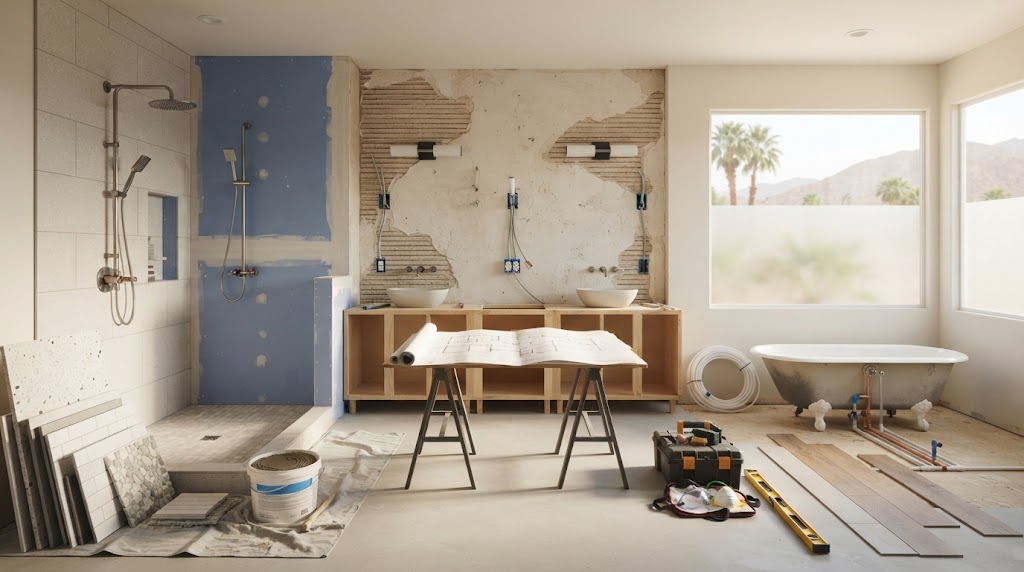

Common Kitchen Remodeling Mistakes California Homeowners Should Avoid
Oct/07/2026 385 Kitchen Remodeling Mistakes California Homeowners Should Avoid
Renovating a kitchen is one of the most rewarding home improvement projects you can take on. It brings new life to the heart of your home, boosts your daily comfort, and adds serious value to your property. However, between navigating strict building energy codes, managing budget expectations, and picking the right materials, a kitchen renovation can quickly feel overwhelming. Many California homeowners start with grand visions, only to encounter unexpected structural delays, permit headaches, or budget overruns that could have been completely avoided with proper planning.
If you are feeling stressed about where to begin or worried about making an expensive misstep, you are not alone. The secret to a smooth, beautiful, and stress-free transformation lies in knowing what pitfalls to look out for before the hammer hits the drywall. Taking a few proactive steps early in the process saves you thousands of dollars, months of frustration, and endless late-night worrying.
By understanding the most common kitchen renovation hurdles ahead of time, you can protect your investment and keep your project running smoothly. Connecting with a licensed, pre-vetted local contractor through a quick online quote request is the simplest way to gain instant clarity on your scope, realistic costs, and regional building rules.
1. Ignoring California Building Codes and Title 24 Requirements
One of the costliest blunders a homeowner can make is planning a major renovation without factoring in local building regulations. California maintains some of the most rigorous residential building standards in the nation. The state's Title 24 Building Energy Efficiency Standards dictate precise rules for lighting efficiency, insulation, window performance, and climate control integration in residential kitchens.
When you redesign a kitchen, you are not just updating modern aesthetic finishes. You are often altering electrical circuits, plumbing pathways, and mechanical ventilation systems. Failing to pull the required municipal permits or ignoring energy compliance checks can stall your project midway through construction. Worse, unpermitted work can lead to heavy local fines, force you to tear down newly completed installations for inspection access, or derail your home sale when a future buyer pulls property public records.
Proper planning means accounting for these standards right from the initial concept drawing. A licensed local professional understands how your municipal building department operates, exactly which permits are necessary for your scope, and how to execute your visual design so that it passes every state inspection on the first try.
2. Mismanaging Your Layout and Work Triangle
It is easy to get caught up in choosing quartz countertops, custom backsplash tiles, and cabinet paint shades. However, a stunning kitchen that lacks functional flow will become an everyday source of irritation. A classic layout blunder involves breaking the core principles of the kitchen "work triangle"—the spatial relationship between your refrigerator, sink, and cooktop.
When these three high-traffic stations are placed too far apart, blocked by a oversized center island, or squeezed into a cramped corner, preparing daily meals becomes inefficient and chaotic. Common layout errors include:
- Obstructing appliance doors: Installing a kitchen island so close to surrounding cabinetry that refrigerator, dishwasher, or oven doors hit nearby panels when opened.
- Inadequate counter landing zones: Forgetting to leave at least 15 to 18 inches of usable, flat countertop space immediately adjacent to cooktops and wall ovens for setting down hot pots or prepping ingredients.
- Traffic bottlenecking: Directing main walkway traffic through the primary cooking area, creating safety risks when moving hot liquids or sharp tools.
Designing a practical layout requires balancing spatial clearance, door swing radiuses, and physical pathways. Bouncing your design ideas off an experienced professional ensures your kitchen floor plan works seamlessly for your household's daily routines.
3. Choosing Aesthetics Over Durable, Climate-Resilient Materials
California's unique environmental conditions place distinct demands on residential interior materials. Depending on your exact region, your home may face intense summer heat waves, high UV exposure, coastal air salinity, or sharp humidity swings during atmospheric river events. Selecting materials based purely on appearance without considering durability leads to premature wear, warping, and costly replacements.
For instance, natural marble looks luxurious on a massive prep island, but it is highly porous and prone to permanent etching from acidic items like citrus juice, tomato sauce, or vinegar. Similarly, cheap fiberboard cabinet boxes installed near sink plumbing or poorly sealed dishwashers absorb ambient moisture, expanding and delaminating within a few seasons.
When evaluating materials for long-term endurance, consider these proven choices:
- Solid wood or cabinet-grade plywood construction: Resists sagging, holds heavy hardware securely, and stands up to shifting moisture levels much better than low-density particleboard.
- Quartz or high-grade porcelain slabs: Provides non-porous surface resistance against staining, heat, and scratches while delivering a clean, modern aesthetic.
- High-grade finish UV coatings: Protects perimeter cabinetry from color fading or yellowing when exposed to continuous direct sunlight from large kitchen picture windows.
Investing in resilient materials designed for long-term performance prevents premature repairs and keeps your space looking pristine for decades.
4. Underestimating Storage and Lighting Needs
A successful kitchen update strikes a careful balance between elevated style and smart functionality. Two areas where homeowners frequently cut corners—only to regret it later—are custom storage integration and layered illumination design.
Relying solely on standard open wall cabinets leaves deep corners completely unreachable and forces everyday appliances to clutter your countertops. Modern storage solutions integrate pull-out pantry drawers, lazy Susans in corner units, soft-close deep drawers for heavy cookware, and dedicated trash or recycling pull-outs hidden behind cabinet fronts. Taking stock of your kitchen items before construction starts ensures every appliance, dish, and pantry item has a clear place.
Equally important is layered lighting design. A single decorative ceiling fixture or a scattered cluster of ceiling recessed lights creates harsh shadows across your primary cutting and prep zones. An effective kitchen lighting layout incorporates three distinct layers:
- Task lighting: Bright, direct under-cabinet LED strip lights focused directly onto your prep countertops and cooking surfaces.
- Ambient lighting: Balanced ceiling recessed fixtures or flush mounts providing safe overall room visibility without overwhelming glare.
- Accent lighting: Stylish pendant fixtures suspended over an island or subtle toe-kick night lighting that highlights architectural features and adds evening ambiance.
5. Attempting High-Risk DIY Work on Critical Systems
Taking on weekend projects like painting walls, replacing drawer pulls, or hanging open shelving can be fun and satisfying. However, attempting to DIY complex electrical updates, structural wall modifications, or major plumbing re-routes poses serious risks to your safety, home stability, and budget.
Modern kitchens demand substantial power capabilities to run high-wattage induction ranges, built-in microwave drawers, and multi-zone lighting circuits safely. Inexperienced wiring attempts cause persistent breaker trips, electrical shock hazards, or dangerous unseen fire risks behind your walls. Similarly, moving gas supply lines or main drain stacks requires precise pipe pitch, proper venting techniques, and pressure-tested fittings that meet stringent local plumbing rules.
Attempting to cut labor costs by taking on complex mechanical trade work often backfires. Remediation costs to uncover, tear out, and redo non-compliant DIY electrical or plumbing work routinely outpace what a licensed contractor would have charged from the start. Leaving high-risk trade work to trained, insured professionals protects your physical safety and preserves your home's structural integrity.
Direct Answers to Common Renovation Questions
How much does a typical kitchen remodel cost in California?
A minor cosmetic update in California typically ranges from $20,000 to $40,000, covering cabinet refinishing, new countertops, updated fixtures, and paint. Full-scale renovations involving structural wall shifts, modern layout reconfigurations, custom cabinetry, and energy-compliant appliances generally run between $50,000 and $120,000+, depending on your chosen material quality and regional labor markets.
When should you call a professional kitchen contractor?
You should reach out to a licensed professional as soon as your project involves moving plumbing drains, altering electrical panels, removing load-bearing walls, expanding footprints, or navigating city permit applications. Getting a pro involved early during the planning phase prevents costly design adjustments later.
Is it worth repairing existing kitchen cabinets instead of replacing them?
Repairing or refinishing existing cabinets is worth considering if your current cabinet boxes are made of structurally sound solid hardwood or high-grade plywood with no water damage or warping. If the layout works well for you, repainting or refacing can save 30% to 50% compared to full custom replacement.
Comparing DIY Tasks vs. Professional Contractor Scope
Knowing where your personal skill set ends and where professional trade expertise begins keeps your timeline realistic and your budget protected.
|
# |
DIY-Friendly Maintenance Task |
|---|---|
|
1 |
Painting accent walls or applying fresh trim paint |
|
2 |
Replacing cabinet knobs, pull handles, and decorative hardware |
|
3 |
Installing basic tile backsplashes on sound, flat drywall |
|
4 |
Assembling freestanding shelving or simple organizer inserts |
|
5 |
Swapping simple hanging light fixtures on existing junction boxes |
|
# |
Complex Trade Work Requiring Licensed Contractors |
|---|---|
|
1 |
Modifying or removing load-bearing interior framing walls |
|
2 |
Relocating main water lines, gas supply lines, or sewer drain vents |
|
3 |
Upgrading main electrical breaker panels and running Title 24 circuits |
|
4 |
Designing custom layout footprints requiring official city permit filing |
|
5 |
Installing heavy slab countertops, custom cabinetry, or structural beams |
Navigating Budget Factors, Permits, and Project Scope
Creating a realistic renovation budget requires looking beyond the cost of individual fixtures and finish materials. Project costs vary based on your home's age, regional labor rates, structural adjustments, and local municipal requirements.
Unexpected issues often arise once existing walls are opened and original subflooring is exposed. Older homes may reveal hidden plumbing leaks, non-compliant knob-and-tube wiring, structural floor sagging, or historical termite damage. Setting aside a dedicated contingency fund equal to 15% to 20% of your total project estimate gives you a financial safety net for necessary unexpected repairs without derailing construction.
Key variables that shape your total investment scope include:
- Material quality tiers: Standard prefabricated stock cabinetry versus fully custom, hand-built millwork tailored to unique dimensions.
- Structural modifications: Keeping existing appliance locations static versus opening exterior walls, adding steel support beams, or relocating plumbing lines.
- Permitting and inspection fees: Local city plan review charges, structural engineering stamps, and required Title 24 energy calculations.
- Labor and specialized trades: Experienced carpenter hours, licensed electrician rates, master plumber fees, and dedicated project management.
Requesting clear, line-item estimates from licensed contractors helps you visualize exactly where every dollar goes before construction begins.
How Online Quote Forms Simplify Finding the Right California Pro
Finding a trustworthy, skilled contractor does not have to mean making endless cold calls, waiting weeks for returned messages, or worrying about unverified credentials. Submitting a quick online quote request streamlines the search process, matching your specific project needs directly with qualified local specialists in your area.
Using a streamlined matching service saves you valuable time and offers key advantages:
- Instant access to pre-vetted specialists: Your inquiry connects you directly with established local professionals who hold active licenses, carry full insurance coverage, and maintain proven track records in your community.
- Clear insight into local pricing and timelines: Receiving tailored responses based on your actual kitchen dimensions and design goals helps you compare realistic price points and project schedules without pressure.
- Simplified regulatory compliance: Local contractors already understand your city's building department, permit protocols, and regional energy standards, protecting you from compliance surprises.
- Zero obligation and low pressure: Submitting a basic project outline online lets you review preliminary estimates and speak with pros at your own pace before making any formal commitments.
Key Questions to Ask Your Matched Contractor
Once you submit your request and begin speaking with qualified contractors, ask these practical questions during your initial consultation:
- Can you verify your active Contractors State License Board (CSLB) number and general liability insurance coverage?
- Who handles pulling local city building permits and scheduling official project inspections?
- What is your recommended timeline for material lead times and active construction days?
- How do you manage unexpected structural or utility updates discovered during demolition?
- Do you provide a written, detailed contract outlining fixed payment schedules and milestones?
Frequently Asked Questions
What permits do I need for a kitchen remodel in California?
Most major kitchen updates in California require building permits from your local municipal building department. This includes projects involving structural framing alterations, electrical panel upgrades, adding new circuits, moving plumbing lines, or altering gas piping. Minor cosmetic updates like painting walls or changing cabinet handles do not require permits.
How long does a full kitchen renovation typically take?
A full kitchen renovation usually takes between 6 and 12 weeks of active construction, depending on project complexity, material availability, and scope. Factoring in initial design planning, custom cabinet fabrication lead times, and permit approvals, the entire end-to-end timeline often spans 3 to 5 months.
How can I make sure my kitchen update complies with Title 24 energy rules?
Title 24 compliance involves using high-efficacy LED lighting fixtures, integrating smart dimmer switches or vacancy sensors, installing energy-efficient appliances, and selecting compliant window glazing. Partnering with an experienced local contractor ensures every lighting and appliance choice meets current energy codes.
What is the most expensive mistake to avoid during a remodel?
Changing your mind on layout or materials midway through active construction is the single most expensive mistake you can make. Midway changes trigger costly change orders, waste purchased materials, and create cascading schedule delays. Taking the time to lock in a finalized design plan before work begins keeps your budget intact.
How do I verify if a contractor is properly licensed in California?
You can easily verify any contractor's standing on the official California Contractors State License Board (CSLB) website. Search by their license number or company name to check that their license is active, verify their workers' compensation insurance details, and confirm there are no pending disciplinary actions.
Should I purchase my own kitchen fixtures and appliances?
While buying your own sinks, faucets, or light fixtures can feel like a great way to save money, it is best to coordinate purchasing directly with your contractor. Contractors often secure professional trade discounts, verify accurate rough-in dimensional fit, and ensure all chosen fixtures comply fully with local building codes.
Plan Your Dream Kitchen with Confidence
Renovating your kitchen should be an exciting journey toward a more comfortable, beautiful, and functional home. By avoiding common layout oversights, factoring in local building standards early, and choosing climate-resilient materials, you set your project up for long-term success.
You do not have to figure out every detail on your own. Taking the first step toward your dream kitchen is simple, fast, and completely stress-free.
Internal Linking Opportunities
To build strong internal site architecture and help readers find relevant home improvement guides, consider incorporating these contextually appropriate anchor text links:
-
Anchor Text: understanding local building permit requirements
Target Topic: Detailed guide on how to navigate municipal building department applications, fees, and inspection schedules across California cities.
-
Anchor Text: energy-efficient home lighting options
Target Topic: In-depth breakdown of residential Title 24 energy compliance standards, LED fixture choices, and smart home lighting controls.
-
Anchor Text: choosing the right kitchen countertop materials
Target Topic: Comparison guide evaluating quartz, granite, marble, porcelain, and butcher block for durability, maintenance, and cost.
-
Anchor Text: how to manage home renovation budgets
Target Topic: Practical advice on building contingency funds, managing contractor change orders, and keeping home improvement costs on track.
Request Your Free, No-Obligation California Kitchen Remodel Estimate
Skip the confusion, avoid costly mistakes, and get direct clarity on your project timeline and budget. Connect with trusted, top-rated local professionals in your area within minutes.
Get Matched with Pre-Vetted California Contractors
Please visit us here to find Find top-rated service pros for your project or call us at 1 (888) 646-7358!