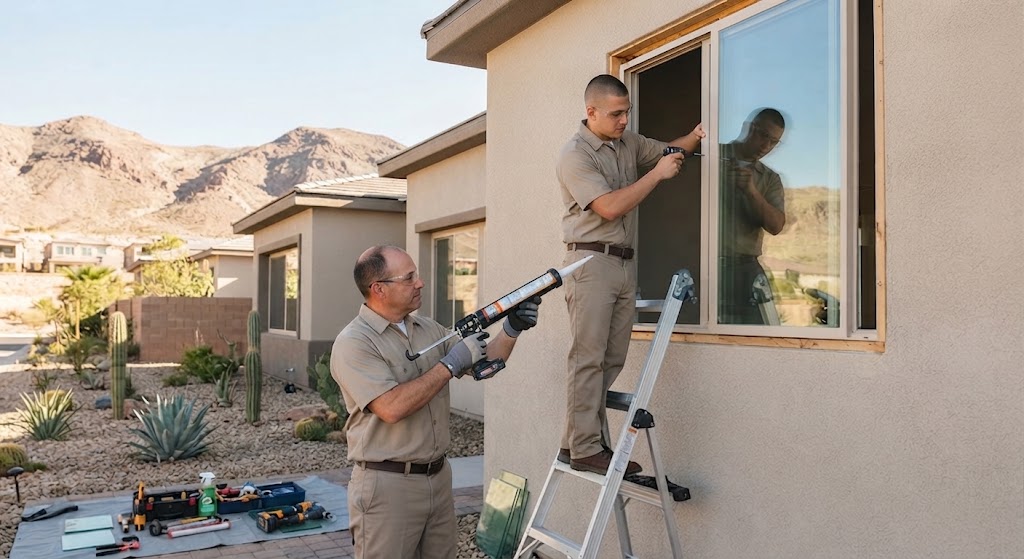
Get Glass And Window Repair from trusted local pros in Nevada
Sep/22/2026 37Get Glass And Window Repair from trusted local pros in Nevada
Living in Nevada comes with unmatched desert views, brilliant sunshine, and intense weather conditions. But whether you are managing the scorching summer heat of Las Vegas, the dusty winds of Pahrump, or the sharp winter freezes in Reno and Elko, your home’s windows bear the brunt of local climate extremes.
When your windows begin to fail, your indoor comfort drops and your energy bills rapidly rise. Deciding whether you need a minor glass fix or a complete replacement can feel overwhelming. Homeowners frequently worry about being overcharged, picking the wrong frame materials, or struggling to find a trustworthy contractor who delivers on their promises.
This guide clarifies key window replacement signs, details the true cost to replace windows, and helps you choose the right energy efficient windows tailored to Nevada's environment. Most importantly, it outlines how connecting with a qualified local contractor ensures your project is completed correctly the first time.
5 Clear Window Replacement Signs in Nevada Homes
How can you tell if a window needs a minor seal repair or if it is time for a full replacement? Because Nevada's environment puts severe stress on building materials, subtle structural failures often escalate quickly. Watch for these five major warning signs.
Top Window Failure Indicators
|
# |
Failure Indicator |
Primary Cause / Impact |
|---|---|---|
|
1 |
High Energy Bills |
Heat transfer driving continuous AC use |
|
2 |
Thermal Glass Cracks |
Rapid temperature drops causing stress fractures |
|
3 |
Seal Failure & Fog |
Failed seal allowing argon gas to escape |
|
4 |
Dust & Air Leaks |
Warping or gaps letting in desert dust and drafts |
|
5 |
Frame Degradation |
Sun/UV damage warping frames and jamming the sash |
1. Spiking Monthly Energy Bills
If your cooling costs climb sharply during summer despite your air conditioner running smoothly, your windows are likely allowing heat in. Single-pane glass or failing double-pane windows allow solar radiant heat to pass directly into your living space, forcing your HVAC system to work overtime.
2. Thermal Stress Cracks in the Glass
Nevada experiences dramatic diurnal temperature swings—often dropping 30 degrees or more within hours once the sun sets. Rapid temperature fluctuations expand and contract glass panes at different rates. This thermal stress causes internal micro-cracks that compromise glass strength and performance.
3. Persistent Fog, Condensation, or Moisture Between Panes
Double-pane windows rely on an airtight seal to hold insulating argon or krypton gas between the glass layers. When intense UV radiation degrades the seal, moist air infiltrates the gap, leaving internal condensation or a hazy film. Once an Insulated Glass Unit (IGU) seal fails, its insulating value drops significantly.
4. Dust Accumulation and Noticeable Drafts
Desert winds often carry fine dirt and dust. If you find dust settling on inside window sills or feel air movement near closed windows, your window frames have likely warped, or the weatherstripping has deteriorated beyond repair.
5. Sticky, Warped, or Jammed Frames
Prolonged exposure to intense sunlight dries out and warps vinyl, rots unprotected wood, and misaligns window frames. If opening or locking your windows requires physical force, structural shifting or severe frame damage has occurred.
Direct Answers: Cost, Timelines, and Efficiency
How Much Does It Cost to Replace Windows in Nevada?
In Nevada, replacing a single standard residential window typically costs between $350 and $1,200, with most homeowners spending roughly $600 to $850 per window including professional installation. Replacing windows throughout an entire 3-bedroom home generally ranges from $6,000 to $15,000+, depending on frame materials, glass types, and structural accessibility.
How Long Does a Window Replacement Project Take?
For a standard home (10 to 15 windows), standard retrofitting takes an experienced installation crew just 1 to 2 days. Custom frame sizing or structural adjustments around stucco exterior walls can extend project timelines to 3 to 5 days. Custom window manufacturing usually takes 3 to 6 weeks from initial measurement to delivery.
Is Upgrading to Energy Efficient Windows Worth It in Nevada?
Yes. Installing high-efficiency windows with low-emissivity (Low-E) coatings and argon gas fill can reduce residential heating and cooling energy expenditures by up to 12% to 15% annually. In high-heat areas like Southern Nevada, upgraded glass significantly reduces air conditioning loads and prevents interior furniture and flooring from sun-fading.
Detailed Cost Breakdown: What Factors Affect the Price?
When calculating the total cost to replace windows, several variables determine the final quote from a contractor.
| Window Feature | Option Type | Average Cost per Window | Best Suited For |
|---|---|---|---|
| Frame Material | Vinyl | $300 – $700 | Cost-conscious homeowners, high UV resistance |
| Aluminum (Thermal Break) | $400 – $1,200 | Modern architecture, high strength | |
| Fiberglass | $500 – $1,500 | Extreme temperature stability, low maintenance | |
| Wood (Clad) | $600 – $1,300 | Historic homes, classic interior aesthetic | |
| Glass Package | Double-Pane Low-E | $350 – $800 | Standard residential upgrades statewide |
| Triple-Pane Low-E | $550 – $1,500 | High-altitude or cold-climate areas (Reno, Tahoe) | |
| Installation Type | Retrofit (Insert) | $100 – $250 labor | Intact original frames & surrounding wall plaster |
| Full-Frame Replacement | $250 – $500 labor | Damaged frames, rot, or structural alterations |
Key Cost Drivers to Consider:
- Stucco and Drywall Repairs: Removing window frames set inside exterior stucco walls requires careful cutting and re-flashing to prevent future leaks, which slightly increases labor costs.
- Second-Story Access: Multi-story installations require specialized scaffolding and safety rigging, raising labor costs per unit.
- Custom Shapes and Egress Code: Arched windows, custom sizes, or basement egress modifications cost more than standard double-hung or slider units.
Choosing Energy Efficient Windows for Nevada’s Climate
Not all windows perform equally under intense sun, dry weather, and dramatic temperature changes. To maximize comfort and lower utility bills, ensure your contractor installs units meeting key performance criteria.
Absolutely. Here it is in a clean table format:
|
Component |
Description |
Purpose |
|---|---|---|
|
Pane 1 |
Tinted / UV-Blocking Glass Coating |
Reduces solar radiation and UV exposure |
|
Gas-Filled Gap |
Argon / Krypton Gas Fill |
Helps reduce thermal heat transfer between panes |
|
Pane 2 |
Low-E Metallic Coating |
Reflects heat outward and improves thermal efficiency |
|
SHGC |
Solar Heat Gain Coefficient |
Measures how much solar heat enters through the glass |
|
Recommended SHGC |
Below 0.23 |
Helps minimize solar heat gain in hot desert climates |
|
Overall Goal |
Outside heat → Reduced heat transfer → Inside comfort |
Keeps the interior cooler and reduces cooling demand |
Critical Ratings to Review:
- Solar Heat Gain Coefficient (SHGC): Measures how well a window blocks heat from solar radiation. In Nevada, aim for an SHGC rating below 0.23. A lower number means less solar heat entering your home.
- U-Factor: Measures how well the window prevents heat from escaping. Target a U-Factor of 0.27 to 0.30 or lower, especially in Northern Nevada where winters are cold.
- Low-E (Low-Emissivity) Glass Coatings: Microscopic metallic coatings reflect radiant infrared heat away from your glass while letting natural light pass through. Dual- or triple-layer Low-E coatings are essential for desert exposure.
- Argon or Krypton Gas Fills: Dense, non-toxic gas sealed between panes insulates far better than plain air, reducing thermal transfer.
DIY vs. Hiring a Trusted Local Contractor
While DIY home improvements can be rewarding, window replacement is rarely a suitable weekend project for most homeowners.
|
DIY Risks |
Professional Advantages |
|---|---|
|
Voided manufacturer warranties |
Certified factory warranty |
|
Improper stucco seals causing leaks |
Watertight weatherproofing |
|
Incorrect sizing and frame sagging |
Accurate laser measurements |
|
Exposure to shattered glass hazards |
Full liability and safety clearance |
Why DIY Window Installation is Risky:
- Water & Air Infiltration: A minor error in flashing or caulk sealant can trap water inside your walls during sudden desert downpours, leading to hidden mold growth and structural damage.
- Stucco Damage: Nevada homes built with exterior stucco require specialized installation tools and techniques to prevent wall cracking.
- Voided Warranties: Most major window manufacturers explicitly void product warranties if windows are installed by non-certified individuals.
The Value of Working with Nevada Professionals:
Local contractors understand regional building codes, know how to secure municipal permits, and help you access local energy utility rebate programs.
How We Help You Connect with the Right Nevada Contractor
Finding a reputable, licensed, and insured window contractor shouldn't require hours of stressful research. We simplify this process by matching you directly with verified local window and glass specialists in your area.
|
Step |
Process |
What Happens |
|---|---|---|
|
Step 1 |
Submit Request |
Share basic project details and location |
|
Step 2 |
Vetted Matching |
We connect you with verified Nevada professionals |
|
Step 3 |
Free Quotes |
Compare in-home estimates without pressure |
What You Get Through Our Network:
- Vetted and Verified Specialists: We connect you with local contractors who maintain active Nevada State Contractors Board (NSCB) licenses, carry comprehensive liability insurance, and hold solid customer ratings.
- No-Obligation In-Home Consultations: Professionals evaluate your existing window frames, measure openings accurately, and recommend glass solutions suited to your home's orientation and budget.
- Transparent Pricing: Receive detailed, itemized quotes outlining labor, materials, permits, and disposal fees so there are no hidden surprises.
What to Look for in a Local Contractor
When evaluating local window installation contractors in Nevada, verify these essential qualifications:
|
Checklist |
Requirement |
|---|---|
|
|
Active Nevada State Contractors Board (NSCB) License Number |
|
|
General Liability & Workers’ Compensation Insurance Coverage |
|
|
Factory-Certified Installer Credentials (e.g., Milgard, Simonton) |
|
|
Written Warranties Covering Both Products and Installation Labor |
|
|
Clear, Itemized Written Estimates (No Vague Lump Sums) |
Important Questions to Ask Before Hiring:
- “Are your installers direct employees or subcontractors?”
- “What specific steps will you take to seal and protect my stucco or exterior siding?”
- “What installation labor warranties do you offer alongside the manufacturer’s window warranty?”
- “Will you pull the required local building permits for this project?”
- “Does your quote include the removal and disposal of my old windows?”
4 Common Mistakes Nevada Homeowners Should Avoid
- Selecting Windows Based Solely on the Lowest Price: Cheap single-pane or non-coated double-pane windows will fail quickly in intense desert heat, canceling out initial savings through higher energy bills.
- Ignoring Frame Material Expansion Rates: Materials like vinyl expand and contract under severe heat. Quality installers select heat-stabilized frames rated for high temperatures.
- Overlooking Proper Flashing: Failing to properly seal window perimeters allows fine dust and wind-driven rain to infiltrate interior walls.
- Delaying Replacement When Seals Fail: Ignoring foggy or drafty windows forces your air conditioner to run constantly, leading to premature HVAC failure and higher overall repair costs.
Frequently Asked Questions (FAQ)
Can I repair a single broken window pane, or must I replace the whole window?
If the frame is sound and the window uses standard glass, a professional can often replace just the Insulated Glass Unit (IGU). However, if the frame is warped, cracked, or rotting, replacing the entire window unit is necessary to restore energy efficiency and proper operation.
Are there rebates available for installing energy efficient windows in Nevada?
Yes. Local energy utilities like NV Energy occasionally offer energy efficiency rebates for upgrading single-pane glass to ENERGY STAR® certified double-pane windows. Federal energy tax credits may also apply depending on current legislation. Ask your contractor which rebate programs apply to your zip code.
How long do replacement windows last in desert climates?
High-quality replacement windows installed by professionals typically last 20 to 30 years. However, extreme sun exposure can degrade low-quality rubber seals and unrated vinyl frames within 10 to 12 years.
How do I prepare my home for a professional window installation?
Clear a 3-foot workspace around interior windows, remove window treatments (blinds, curtains, rods), move nearby furniture, and turn off interior security alarm sensors attached to window frames before the crew arrives.
What is the best time of year to replace windows in Nevada?
Spring and autumn are ideal because mild outdoor temperatures make opening wall cavities comfortable. However, professional crews install windows year-round by working room-by-room to minimize indoor temperature shifts.
Ready to Restore Comfort and Lower Your Energy Bills?
Don't let aging, drafty windows drain your budget or compromise your home's comfort. Whether you need a quick glass repair or a complete home window upgrade, speaking with a verified local professional is the easiest way to compare options and get accurate pricing.
Find top-rated service pros for your project or call us at 1 (888) 646-7358! Get matched with trusted, licensed window contractors in Nevada for a free, no-obligation estimate today.