Window Replacement vs. Window Repair: Which Is Better?
Nov/25/2026 36Window Replacement vs. Window Repair: How to Decide Before Calling a Contractor
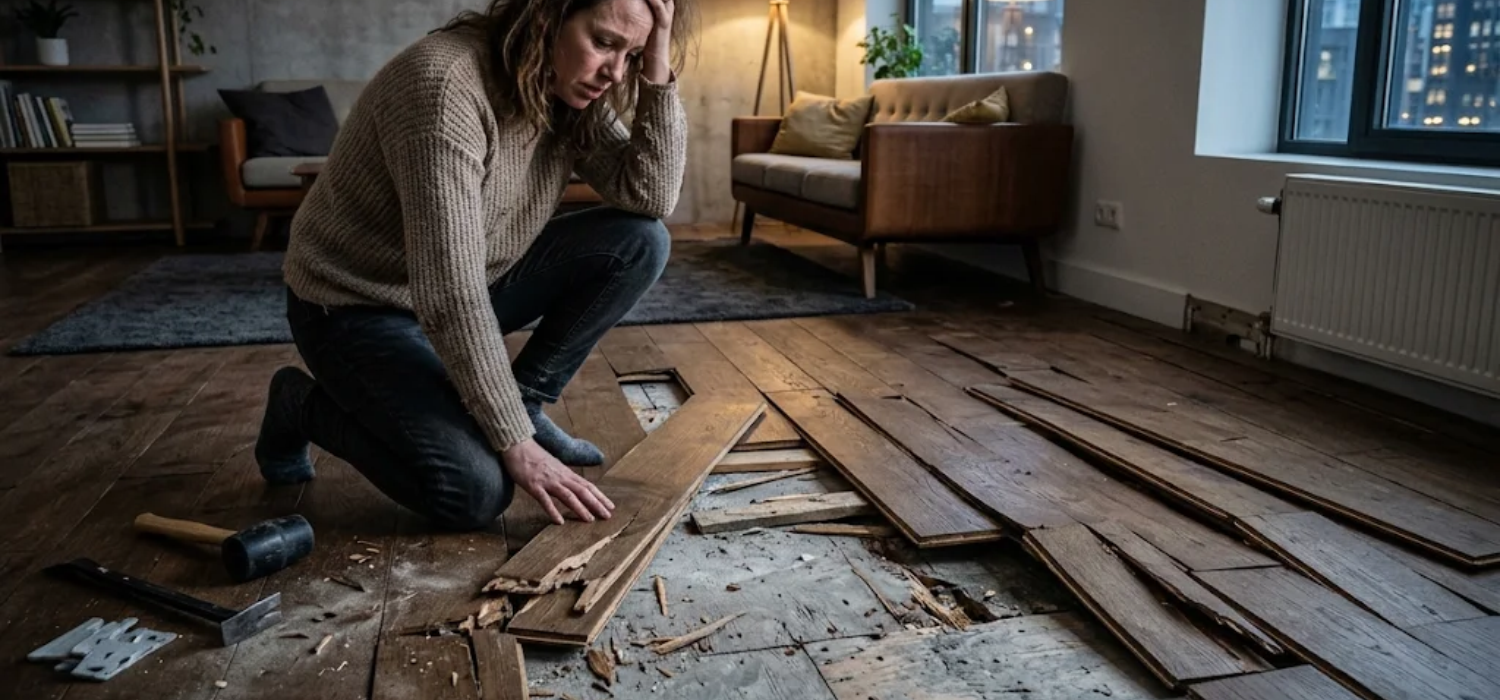
If you are standing in your living room feeling a cold draft around the window frame, or staring at a pane of glass that looks permanently foggy, you have probably asked yourself a very common question: Can I just fix this, or do I need to buy brand-new windows?
It is a tough spot to be in. Home improvement is expensive, and windows are no exception. On one hand, paying a handyman or window technician a few hundred dollars to fix a broken seal or a stuck sash sounds much better than spending thousands on a full replacement. On the other hand, nobody wants to throw good money after bad, paying for repairs today only to realize two years later that the entire window needs to be ripped out anyway.
Because you are already thinking about reaching out to a contractor for quotes, you are in the exact right place. Before you pick up the phone or fill out an estimate form, you need to know what to look for, what your options actually cost, and how to tell if a contractor is giving you honest advice or trying to upsell you.
In this guide, we will break down the real differences between window repair and window replacement in plain, simple terms. By the time you finish reading, you will know which choice makes the most financial sense for your home—and you will be ready to talk to a local window pro with total confidence.
Repair or Replace?
Before we dive into the details, let us look at the big picture. Almost every window problem comes down to two things: the condition of the frame and the age of the window.
Window repair is usually the better choice if:
- Your windows are less than 10 to 15 years old.
- The window frames are solid, straight, and free of rot or cracks.
- The issue is isolated to one or two windows (like a single cracked pane, a broken lock, or torn weatherstripping).
- You plan to move out of your home within the next couple of years and just need everything working properly for a home inspection.
Window replacement is usually the better choice if:
- Your windows are 15 to 20+ years old.
- The frames are rotting, warped, soft to the touch, or cracking.
- You have single-pane windows and want to lower your monthly heating and cooling bills.
- Condensation or fog is trapped between the panes of glass on multiple windows.
- You have to prop your windows open with a piece of wood, or they refuse to lock securely.
If you are somewhere in the middle, do not worry. Let us look closely at the specific symptoms your windows are showing so you can make the smartest call.
When Window Repair Makes Sense (And Saves You Money)
Many homeowners assume that once a window starts acting up, it is destined for the trash heap. That is simply not true. A skilled window repair specialist can fix a surprising number of issues quickly and affordably. If your windows are structurally sound, repairing them can extend their life by another five to ten years.
Here are the most common problems that are worth repairing:
1. A Single Cracked or Broken Pane of Glass
Accidents happen. A stray baseball, a falling tree branch, or a rock kicked up by the lawnmower can shatter a piece of glass in seconds. If the frame around the glass is still in great shape, you do not need a whole new window. A glass technician can measure the opening, order a matching pane (even for double-pane insulated glass units), and pop it right into your existing frame.
2. Damaged Weatherstripping or Caulking
Do you feel a breeze near your window, even when it is closed and locked? Check the rubber or foam strips around the edges of the sash, as well as the caulking on the outside of the frame. Over time, sun and extreme weather cause these seals to dry out, shrink, and crack. Replacing weatherstripping and re-caulking the exterior is one of the cheapest, easiest fixes available, and it can stop drafts immediately.
3. Broken Hardware (Locks, Cranks, and Latches)
On casement windows (the ones that crank outward), the metal gears inside the crank mechanism often strip or rust over time. On double-hung windows (the ones that slide up and down), latches break and balances wear out. Hardware is meant to be replaced. A contractor can easily swap out broken cranks, locks, and springs without touching the glass or the frame.
4. Windows Painted Shut or Slightly Stuck
If you live in an older home, previous owners may have painted right over the window tracks. Or, humidity in the summer might cause wooden sashes to swell slightly. A good carpenter or window repair technician can carefully score the paint, plane down tight spots, lubricate the tracks, and get your windows sliding smoothly again.
5. Torn or Bent Window Screens
It sounds obvious, but many people put off calling a pro because they think a missing or ripped screen means buying a new window assembly. Screens are completely separate and very inexpensive to re-mesh or replace.
When Window Replacement Is the Smarter Investment
While repairs are great for minor wear and tear, there comes a point where fixing an old window is like putting a brand-new set of tires on a car with a blown engine. You are spending money, sure, but you are not solving the real problem.
If you notice any of the following red flags, it is time to talk to a contractor about full window replacement:
1. Rotting, Warped, or Soft Window Frames
Walk around your house and gently press your thumb or a screwdriver against the bottom sill and side frames of your wood windows. If the wood feels spongy, crumbles easily, or shows dark water stains, moisture has gotten inside the structure. Once wood rot sets in, patching it with filler is only a temporary band-aid. Worse yet, that moisture can spread into your home’s wall framing, leading to mold and expensive structural repairs. Vinyl and fiberglass frames do not rot, but if they are visibly warped, bowed, or cracked, they cannot hold a proper seal anymore and must be replaced.
2. Foggy Glass Between Double or Triple Panes
Modern windows have two or three panes of glass sealed together with an invisible, insulating gas (usually argon) trapped in between. Over time, the perimeter seal holding those panes together can fail due to years of expanding in the summer heat and shrinking in the winter cold. When that seal breaks, moist air sneaks in, creating a milky haze or condensation droplets inside the glass that you cannot wipe away.
While a contractor can sometimes replace just the glass unit (called an IGU), a failed seal on a window that is 15 or more years old usually means the rest of your windows are right behind it. Replacing the whole window gives you a fresh 20-to-30-year warranty and modern energy efficiency.
3. Sky-High Energy Bills and Drafty Rooms
If your furnace or air conditioner seems to run nonstop, your windows might be the culprit. According to the U.S. Department of Energy, heat gain and heat loss through windows are responsible for 25% to 30% of residential heating and cooling energy use. If you still have old single-pane windows, or early double-pane windows without Low-E (low-emissivity) glass coatings, no amount of repair will make them energy-efficient. Upgrading to modern ENERGY STAR-certified replacement windows acts like putting a heavy winter coat on your house.
4. Windows That Won’t Stay Open or Won’t Lock
Windows are a major safety feature in your home. First, they keep intruders out. Second, bedroom windows serve as vital emergency exits in case of a fire. If the internal balance springs have snapped so violently that the heavy glass slams shut on its own, or if the frame has shifted so much that the lock no longer lines up, your family’s safety is at risk. When structural shifting causes alignment problems, replacement is the safest path forward.
5. Excessive Outside Noise
Do you hear every car that drives down your street, every neighbor’s lawnmower, or every barking dog? Old windows—especially single-pane ones—do almost nothing to block sound waves. Modern double- and triple-pane replacement windows with laminated or insulated glass dramatically cut down outside noise, turning a loud home into a peaceful retreat.
Repair vs. Replacement
Money is almost always the deciding factor when homeowners weigh their options. To make a clear decision before calling a contractor, it helps to understand what you can realistically expect to pay.
What Window Repairs Typically Cost
Window repairs are priced per job or per window, depending on the complexity of the fix:
- Re-caulking and weatherstripping: Usually ranges from $75 to $200 per window.
- Hardware replacement (locks, cranks, balances): Typically runs between $100 and $300 per window, including parts and labor.
- Glass pane replacement (single pane): Often costs $150 to $350, depending on the size of the glass.
- Insulated glass unit (IGU) replacement for foggy double panes: Usually costs $250 to $600 per window.
The Hidden Trap of Repairs: Notice how quickly those numbers add up. If you have eight windows with failed seals and worn-out balances, paying $450 per window to repair them puts you at $3,600—and at the end of the day, you still have old window frames with no long-term warranty.
What Window Replacement Typically Costs
Full window replacement is a larger upfront investment because it includes custom-built windows, removal of the old units, professional installation, insulation, and exterior trim work.
- Standard vinyl replacement windows: Generally range from $450 to $850 per window installed.
- Mid-range fiberglass or composite windows: Typically run between $800 and $1,400 per window installed.
- High-end wood-clad windows: Can range from $1,200 to $2,000+ per window installed.
The Long-Term Payoff: While the upfront price tag is higher, replacement windows deliver immediate value. You lower your monthly utility bills right away, eliminate maintenance like scraping and painting old wood, and boost your home’s resale value. In fact, national remodeling reports consistently show that homeowners recoup roughly 65% to 70% of the cost of new vinyl or wood windows when they sell their home.
Full-Frame vs. Pocket (Insert) Replacement
When you do speak with a window contractor about replacement, they will likely mention two different installation methods. Knowing the difference ahead of time will help you compare quotes accurately.
Pocket (Insert) Replacement
In a pocket replacement, the contractor removes only the old sashes (the movable parts holding the glass) and hardware, leaving your existing wood frame and exterior trim untouched. They then slide a custom-sized new window unit directly into the old frame.
- Pros: Faster installation, less mess, preserves your interior woodwork and trim, and costs about 15% to 25% less than full-frame replacement.
- Best for: Homes where the existing window frames are completely solid, square, and free of rot.
Full-Frame Replacement
In a full-frame replacement, the contractor removes everything down to the rough wooden studs of your house—the glass, sashes, frame, sill, and exterior trim. They inspect the wall opening for hidden water damage, add fresh insulation and flashing tape, and install a brand-new window frame from scratch.
- Pros: Allows the contractor to fix hidden rot or water leaks, maximizes the visible glass area, and provides the tightest possible seal against air and water.
- Best for: Homes with rotted sills, warped frames, or older windows that were poorly installed in the first place.
How to Prepare Before Calling a Window Contractor
Many homeowners hesitate to call contractors because they worry about high-pressure sales tactics or confusing technical jargon. The best way to protect yourself—and get the most accurate pricing—is to do a quick 10-minute walkthrough of your home before scheduling your consultations.
Grab a notepad or use your phone to jot down answers to these four simple questions:
- How many windows are giving you trouble? Count every window in your house and mark which ones have drafts, fog, rot, or broken locks. Even if you only plan to replace four or five right now, contractors often offer volume discounts if you bundle more windows into a single project.
- What material are your current frames? Look closely at the frames. Are they painted wood, vinyl (smooth plastic), aluminum (metal), or fiberglass? Knowing what you currently have helps a contractor recommend the right upgrade.
- What style of windows do you have? Write down how they open. Do they slide up and down (double-hung), slide side-to-side (sliders), crank outward (casement), or stay fixed in place (picture windows)?
- What is your #1 goal? Are you trying to stop cold drafts in the winter? Reduce street noise in the bedroom? Fix broken windows before listing your house on the market? Telling a contractor your main goal helps them tailor their recommendation to your budget rather than pushing the most expensive product in their catalog.
6 Smart Questions to Ask Your Contractor During an Estimate
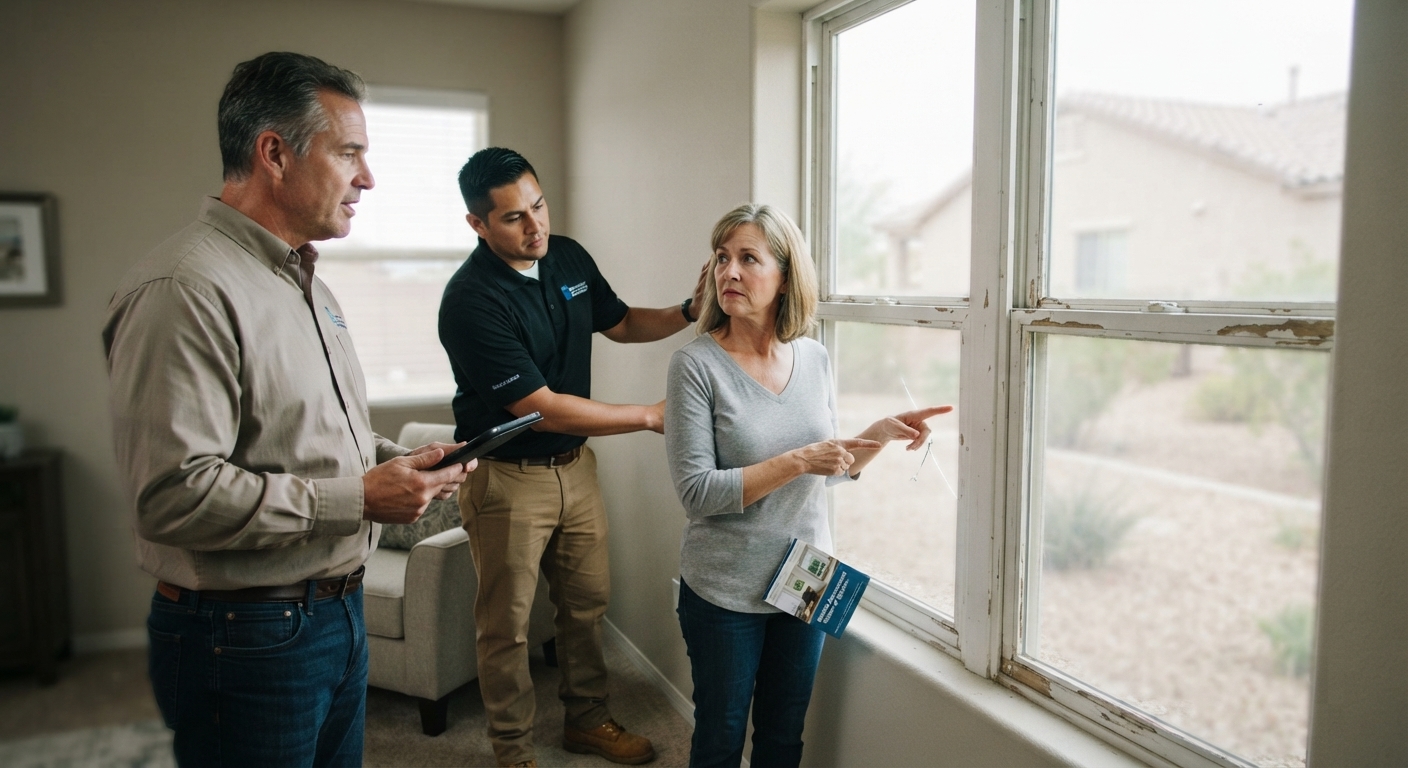
Once you invite two or three local contractors out to inspect your windows, treat the appointment like an interview. A trustworthy, experienced pro will gladly inspect your frames and give you an honest breakdown of what can be repaired versus what truly needs to be replaced.
Use these six questions to separate the true pros from the pushy salespeople:
-
"Looking at my frames, are there any windows here that you think are worth repairing instead of replacing?"
Why ask this: A reputable contractor won't try to sell you 15 new windows if 10 of them are in great shape and only need new weatherstripping. Their answer will immediately tell you how honest they are.
-
"Do you recommend pocket inserts or full-frame replacement for my home, and why?"
Why ask this: This shows you have done your homework and forces them to explain the actual condition of your existing frames.
-
"Are you licensed and insured to work in my state/city?"
Why ask this: Never hire an uninsured installer. If a worker gets hurt on a ladder or accidentally damages your siding, you want to be 100% protected.
-
"Who actually installs the windows—your own employees or subcontractors?"
Why ask this: Even the most expensive, top-rated window will leak and draft if it is installed poorly. Knowing whether the company uses trained in-house crews or vetted, long-term subcontractors gives you peace of mind about workmanship.
-
"What is included in your written quote?"
Why ask this: Make sure the estimate clearly lists the window brand, glass package (like Low-E and Argon gas), removal and haul-away of old windows, exterior trim wrapping, and cleanup. There should be zero surprise fees on installation day.
-
"How do your warranties work—both for the window itself and for your installation labor?"
Why ask this: Manufacturers cover defects in the glass and frame, while the contractor covers leaks or drafts caused by installation errors. Look for strong coverage on both.
Why Getting Multiple Quotes Always Pays Off
Whether you lean toward repairing a few stubborn windows or upgrading your entire home with energy-efficient replacements, never settle for the very first price you hear.
Window pricing can vary dramatically from one company to another—sometimes by thousands of dollars for the exact same size and style of window. Large national brands often carry heavy advertising overhead, while established local contractors frequently offer better pricing, faster scheduling, and more personalized customer service.
By comparing two to three quotes from vetted local window pros, you get to:
- See multiple professional opinions on whether repair or replacement is best for your specific frames.
- Compare glass efficiency ratings, frame materials, and warranty terms side by side.
- Use competing estimates as leverage to negotiate a fairer price or seasonal discount.
Make the Call With Confidence
Choosing between window repair and window replacement does not have to be overwhelming. Look at the age of your windows and the health of the frames. If the frames are solid and the problem is small—like a broken lock, torn screen, or single cracked pane—a quick repair will keep your home comfortable and save you money.
However, if you are dealing with rotting wood, warped frames, foggy double panes across multiple rooms, or soaring heating and cooling bills, investing in modern replacement windows will pay you back in daily comfort, lower energy costs, and lasting home value.
You do not have to guess what your project will cost. Reaching out to a trusted local window specialist for an in-home inspection and free written estimate costs nothing—and gives you exact numbers so you can make the best decision for your home and your budget.
Please visit us here to find Find top-rated service pros for your project or call us at 1 (888) 646-7358!
.png)