
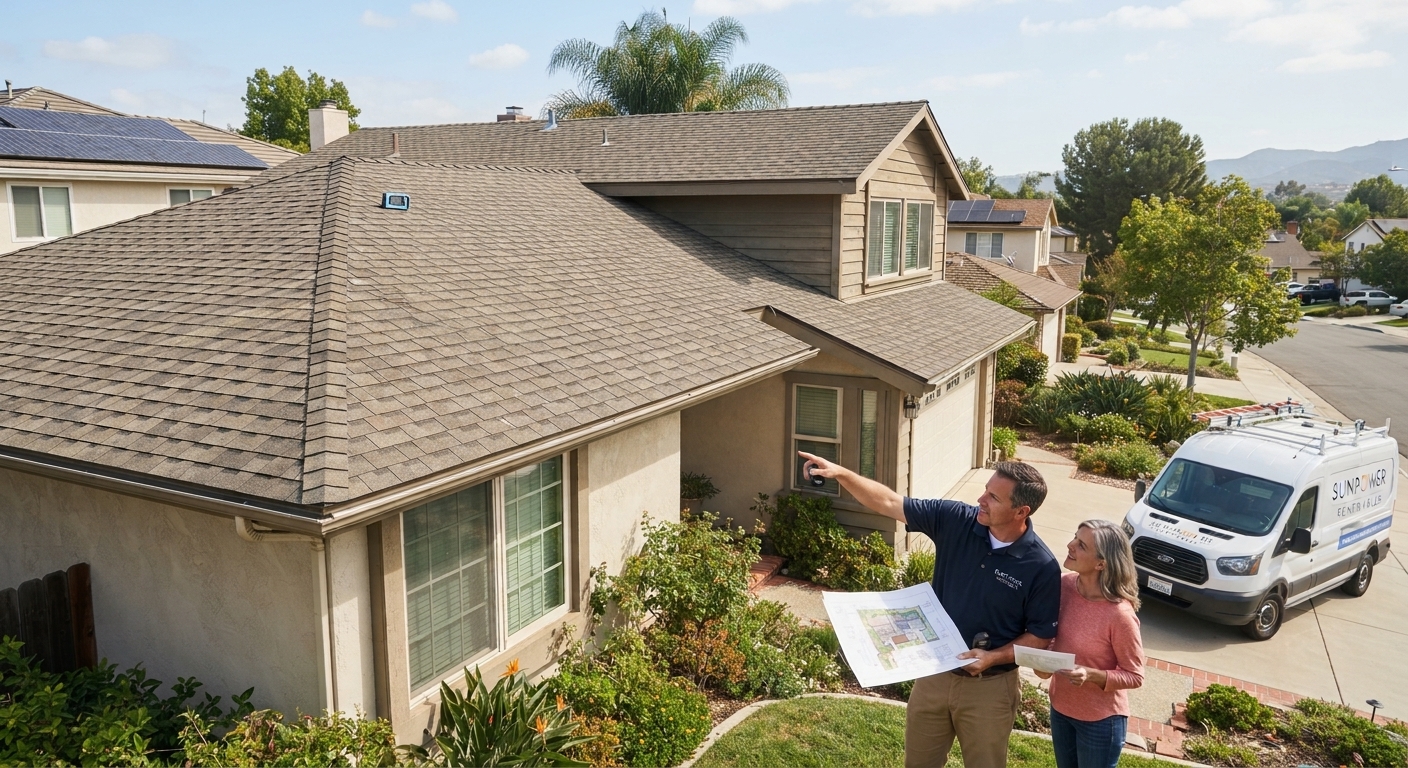
Is Your Home Suitable for Solar Panel Installation
Nov/27/2026 22Is Your Home Suitable for Solar Panel Installation?
9 Things to Check Before Getting a Quote
Rising utility rates have pushed thousands of homeowners to look up at their roofs and ask a simple question: Is it finally time to switch to solar?
If you have been researching monthly energy savings, federal tax credits, and clean power, you are likely past the daydreaming stage. You are ready to talk numbers, look at system designs, and get quotes from local solar contractors.
However, before you invite an installer to your kitchen table or submit your address for a custom proposal, there is one major hurdle to clear. Not every house is an ideal candidate for solar energy right out of the box. While modern solar technology is more adaptable than ever, certain physical, structural, and financial factors determine whether solar panels will be a massive money-saver for you—or a frustrating headache.
Knowing where your home stands ahead of time puts you in the driver's seat. When you understand what contractors look for during a site assessment, you can spot potential roadblocks early, avoid surprise add-on costs, and compare contractor quotes like a pro.
Let’s walk through the nine essential things that make a home truly suitable for solar panel installation.
1. The Direction and Angle of Your Roof
Solar panels work best when they can soak up direct sunlight for as many hours of the day as possible. Because of how the sun moves across the sky in the Northern Hemisphere, the direction your roof faces plays a starring role in how much electricity your system will produce.
South-Facing Roofs Are the Gold Standard
If you have a large, unobstructed roof slope facing due south, you have hit the solar jackpot. South-facing roofs receive direct sunlight from morning until late afternoon, maximizing energy production year-round.
East- and West-Facing Roofs Still Work Great
Don't worry if your home isn't aligned perfectly north-to-south. East- and west-facing roofs are still very strong candidates for solar. An east-facing roof captures peak energy in the morning, while a west-facing roof generates maximum power in the late afternoon—which actually lines up well with when most families come home, turn on the air conditioning, and start cooking dinner. You may just need a few extra panels to match the output of a south-facing system.
What About North-Facing Roofs?
North-facing roof slopes receive the least amount of direct sunlight and are rarely recommended for solar panels. A reputable contractor will generally avoid placing panels on a north-facing section unless you live in a region very close to the equator or have a nearly flat roof.
Roof Pitch (Slope) Matters Too
The angle of your roof affects how directly the sun's rays hit the panels. Most residential roofs have a pitch between 15 and 40 degrees, which happens to be the sweet spot for solar efficiency and natural rainwater cleaning. If you have a flat roof, you can still go solar—installers simply use angled mounting racks to tilt the panels toward the sun. On the flip side, roofs with an extreme pitch (over 45 degrees) are harder to work on, which can increase labor costs.
2. Shade and Surrounding Obstacles
You could have the best south-facing roof in the neighborhood, but if it sits under the shadow of a massive oak tree all afternoon, your energy production will take a major hit.
Solar panels rely on direct sunlight, not just ambient daylight. Even a small amount of shading on a single panel can drag down the performance of the system if it isn't designed properly. When evaluating your property, look closely at:
- Mature Trees: Look at the trees in your yard and your neighbors' yards. Pay special attention to trees on the south and west sides of your house. Keep in mind that trees grow taller and wider every year—a sapling today could cast a long shadow in five years.
- Neighboring Buildings: Two-story homes, tall garages, or nearby commercial buildings can block low-angle morning or evening sun.
- Roof Obstructions: Chimneys, dormers, skylights, plumbing vents, and satellite dishes all take up valuable real estate and cast small shadows across the roof surface.
If you do have some partial shading, it doesn't automatically disqualify your home. Today's contractors use advanced equipment like microinverters or power optimizers, which allow each solar panel to operate independently. That way, if a chimney casts a shadow over one panel at 3:00 PM, the rest of your array keeps running at full speed. Still, if your roof is heavily shaded all day, you may need to consider trimming a few branches before installation day.
3. The Age and Condition of Your Roof
This is one of the most important practical checks you can make before speaking with a contractor. A quality solar panel system is built to last 25 to 30 years or more. Your roof needs to be able to go the distance right alongside it.
Imagine installing brand-new solar panels on a 18-year-old shingle roof. Five years later, your roof starts leaking and needs to be replaced. To put on a new roof, you would have to pay a solar crew thousands of dollars to uninstall the panels, store them safely, and reinstall them once the roofers finish.
The 10-Year Rule of Thumb
If your roof is less than 10 years old and in solid condition, you are usually good to go. However, if your roof is approaching 15 to 20 years old—or if you notice curling shingles, missing granules, soft spots, or water stains in your attic—it makes far more financial sense to replace your roof before installing solar.
Many homeowners actually bundle a roof replacement and a solar installation together. Not only does this save you the hassle of dealing with two separate construction timelines, but some roofing and solar contractors offer bundled pricing that keeps overall costs lower.
Roof Material Compatibility
Most standard roofing materials work seamlessly with solar mounting hardware:
- Asphalt Shingles: The easiest, most common, and most affordable roof type for solar installations.
- Standing Seam Metal: A fantastic match for solar. Installers can clamp mounting brackets directly onto the raised metal seams without drilling a single hole into your roof.
- Tile Roofs (Clay or Concrete): Compatible with solar, though installation requires specialized hooks and extra care so tiles don't crack during the process.
- Wood Shake or Slate: These materials are brittle and pose a higher risk of damage during installation. Many solar contractors will not install on wood shake due to fire safety codes and fragility, and slate requires specialized (and pricier) mounting hardware.
4. Available Usable Roof Space
It is easy to look at your house from the street and assume you have plenty of room for solar panels. Once you get up on the roof, however, local building and fire codes shrink that usable footprint quickly.
In most states and municipalities, fire safety regulations require clear pathways—called "setbacks"—along the edges, ridges, and valleys of your roof. These walkways give firefighters safe access to the roof and room to ventilate a building in an emergency.
Additionally, vents, chimneys, and skylights break up large flat spaces into smaller sections. An average residential solar system takes up roughly 300 to 500 square feet of roof space, depending on how much electricity your household uses and the wattage of the panels you choose.
If your roof has a complex design with lots of peaks, valleys, and dormers, a contractor might need to use higher-efficiency panels (which generate more power per square foot) to hit your energy goals in a tighter space. Or, if you have a large yard with plenty of open sun, a ground-mounted solar array could be an even better alternative than putting panels on your roof.
5. Your Home's Structural Integrity
Solar panels aren't remarkably heavy—each panel typically weighs around 40 to 45 pounds—but when you combine 20 or 25 panels with aluminum racking and hardware, you are adding roughly 1,000 to 1,500 pounds of weight to your roof.
Modern homes built to current building codes are easily strong enough to support this extra load, even in areas that get heavy winter snow. However, if you live in an older home (especially one built before the 1970s), or if your roof rafters are spaced far apart or show signs of sagging, a structural engineer will need to inspect the framing.
During a professional site survey, your contractor will check your attic to measure the size and spacing of your rafters or trusses. If the structure needs a little extra reinforcement—such as adding sister joists—it is usually a straightforward fix, though it is good to know about it early in the quoting process.
6. Your Main Electrical Panel and Wiring
Solar panels don't just sit on your roof; they tie directly into your home's electrical system. That means your main electrical service panel (your breaker box) has to be able to handle the incoming solar power safely.
Many older homes still run on 100-amp electrical panels, which were designed decades ago before homes were filled with central air conditioners, high-efficiency appliances, home offices, and electric vehicles. Modern solar installations typically require a 200-amp main panel to accommodate the solar breaker without overloading the busbar.
Take a quick look inside your garage, basement, or utility closet where your breaker box is located:
- Check the Amperage: Look at the main breaker switch at the very top or bottom of the panel. It will usually have a number printed on it, such as 100, 150, or 200.
- Look for Open Space: Are there empty slots for new breakers, or is the panel completely full?
- Note the Condition: Panels made by certain outdated brands (like Federal Pacific or Zinsco) are considered safety hazards and must be replaced before any electrical work can be permitted.
If you do need a Main Panel Upgrade (MPU), it typically adds $1,500 to $3,500 to your project. The silver lining is that upgrading to a 200-amp panel also future-proofs your home if you ever decide to buy an electric car, install a heat pump, or add a home battery backup system later on.
7. Your Monthly Electricity Bill and Usage Habits
Even if your house is a physical paradise for solar panels, the math still has to make sense for your wallet. Solar is an investment, and your return on that investment depends heavily on how much electricity you currently buy from your utility company.
When Solar Pays Off Fastest
If your average monthly electric bill is $120 to $150 or higher, solar usually offers strong, immediate financial appeal. Higher electricity usage means you are paying a lot of money to the utility company every single month—money that can instead go toward paying off a solar system that you own. Once the system is paid off, that electricity is essentially free.
On the other hand, if your electric bill is consistently around $50 or $60 a month (perhaps because you have a small home, live in a mild climate, or use natural gas for heating, hot water, and cooking), it will take much longer for solar savings to pay back the upfront cost of installation.
Future Energy Needs Count Too
Think about how your life might change over the next five years. Are you planning to:
- Buy an electric vehicle or plug-in hybrid?
- Add a pool, hot tub, or backyard workshop?
- Transition from gas appliances to electric heat pumps or induction stoves?
- Have more family members working or studying from home?
If your electricity consumption is about to climb, sizing a solar system for your future needs rather than just your past bills is a smart move to discuss with your contractor.
8. Local Utility Rates, Net Metering, and Incentives
Where you live matters just as much as how your house is built. Two identical homes in different states can see vastly different financial results from the exact same solar system.
Local Electricity Rates
In states where utility companies charge high rates per kilowatt-hour (kWh)—such as California, Massachusetts, New York, New Jersey, Connecticut, and Texas—every unit of electricity your solar panels produce saves you a significant amount of money. Even if your state has slightly fewer sunny days than the desert Southwest, high local electricity prices make solar a massive money-saver.
Net Metering Policies
Net metering is a billing arrangement with your utility company that credits you for the excess solar electricity your panels send back to the grid during sunny afternoons. You can then use those credits to cover the electricity you pull from the grid at night or on cloudy days.
Strong net metering programs dramatically shorten the payback period for residential solar. In areas where net metering credits have been reduced, pairing your solar panels with a home solar battery (like a Tesla Powerwall or Enphase IQ Battery) allows you to store your own excess daytime power and use it at night instead of selling it back to the grid for pennies.
Federal, State, and Local Incentives
Incentives can slash the net cost of going solar by 30% or more. Between the federal Residential Clean Energy Credit, state-level tax rebates, property tax exemptions, and Solar Renewable Energy Certificates (SRECs), financial incentives play a massive role in making solar affordable. A knowledgeable local contractor will know every program available in your zip code and factor them into your quote.
9. HOA Rules and Local Permitting
If you belong to a Homeowners Association (HOA), you might wonder whether architectural committees can block you from putting panels on your roof.
The good news is that more than half of U.S. states have passed "Solar Access Laws" (often called solar rights laws). These laws prevent HOAs from outright banning solar panel installations. While an HOA can still ask for reasonable aesthetic adjustments—such as using sleek all-black panels, hiding conduit pipes, or placing panels on a less visible roof slope—they generally cannot force changes that significantly increase your cost or reduce your system's energy output.
Still, checking your HOA guidelines and submitting an architectural review application early prevents delays once your installer is ready to pull city permits.
What Happens When You Talk to a Solar Contractor?
If you checked off most of the items above, your home is in a great position for solar. The next step is getting custom quotes from vetted local installers—and knowing what to expect makes the conversation easy and productive.
When you reach out to a reputable solar contractor, they won't just guess at a price. Instead, they will walk you through a clear process:
- Initial Discovery and Bill Review: You will share a recent copy of your electric bill (showing 12 months of usage history, if available) and your home address.
- Satellite 3D Roof Modeling: Using high-resolution aerial imagery and LiDAR shading data, the contractor builds a 3D digital twin of your roof. They simulate the sun's path across your property throughout all four seasons to calculate exact shade levels and energy output.
- Custom System Design and Quote: You will receive a detailed proposal showing how many panels you need, where they will sit on your roof, estimated monthly energy production, total system cost, available incentives, and your projected payback timeline.
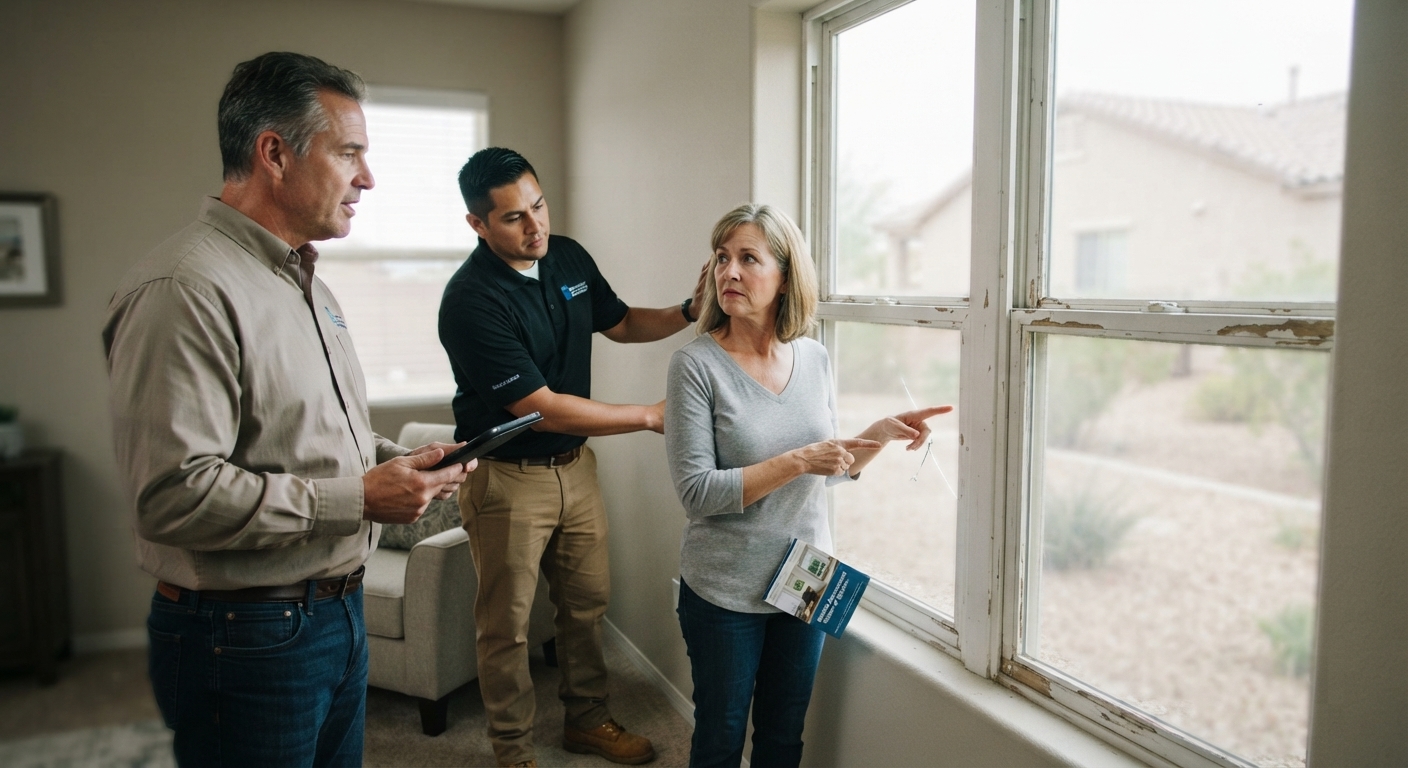
- On-Site Physical Inspection: Once you choose a contractor, a technician visits your home in person to inspect your attic rafters, measure roof dimensions, check shingle health, and inspect your main electrical panel before finalizing engineering plans and pulling permits.
Smart Questions to Ask Before You Sign a Contract
When you start comparing quotes from different solar companies, don't just look at the bottom-line price. Ask each contractor these five questions to separate top-tier local pros from high-pressure salespeople:
- "What happens if my roof needs repairs or replacement down the road?" Find out what they charge to remove and reinstall panels, and whether they offer roofing warranties.
- "Are your installers in-house employees or subcontractors?" Knowing who will actually be on your roof helps you gauge quality control and accountability.
- "Does my electrical panel need an upgrade, and is that included in this quote?" Make sure there are no hidden electrical surprises waiting after you sign.
- "What warranties cover the panels, inverters, and roof penetrations?" Look for 25-year equipment warranties alongside a solid 10- to 25-year workmanship warranty that protects against roof leaks.
- "How conservative are your energy production estimates?" Good contractors account for real-world weather, panel degradation over time, and local shading rather than promising unrealistic numbers.
Ready to See What Solar Looks Like on Your Roof?
You don't need a perfectly south-facing mansion in the desert to make solar energy work. Today's high-efficiency solar panels perform remarkably well across a wide range of roof angles, climates, and neighborhood layouts. As long as your roof is in decent shape, gets solid sunlight for most of the day, and your electric bills are high enough to justify the switch, there is a strong chance your home is a great candidate.
The easiest way to know for sure is to let a local professional run a custom satellite assessment on your address. Comparing quotes from two or three trusted, certified local solar installers gives you clear, side-by-side numbers on system size, equipment options, rebates, and real monthly savings—so you can make a confident decision for your home and your wallet.
Please visit us here to find Find top-rated service pros for your project or call us at 1 (888) 646-7358!
.png)

